Get in touch: +1 888 453 5021


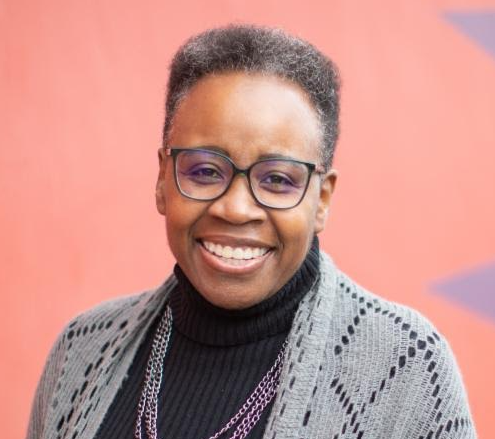
Violet Larry is the President of the Alliance of Black Nurses Association of Oregon.
ABNAO’s work shows that representation, mentorship, financial support,leadership development, and community are not extras—they areessential to enabling underrepresented students to enter and thrive inhealthcare. ABNAO provides mentorship, scholarships, professionalnetworking, advocacy opportunities, culturally specific education, andearly exposure to nursing careers through our Mini Nurse Academy andPathways to Nursing programs.
For students considering medicine, these same principles apply: findmentors early, build a community, seek experiences connected to yourcommunity populations, and recognize that cultural competency andhealth equity are core clinical skills. A strong physician mustunderstand not only disease, but also how culture, racism, access,trust, and social conditions impact patient health and care delivery.
My advice to underrepresented students is: do not navigate thisprocess alone. Seek out physicians, nurses, faculty, and communityleaders who can offer honest guidance regarding prerequisites, MCATpreparation, applications, finances, and interviews. ABNAO's modeldemonstrates the impact of having mentors who understand yourexperiences and can help you leverage challenges into opportunitiesfor leadership and service.
Most importantly, do not feel pressured to erase who you are to fit aprofile. Your lived experience is a powerful asset. Connect yourpersonal story to the type of healthcare professional you aspire to beand the communities you wish to serve. Diversity is essential becausepatients benefit when healthcare teams understand diverseperspectives, build trust, recognize inequities, and advocate forbetter health outcomes.

.svg)

