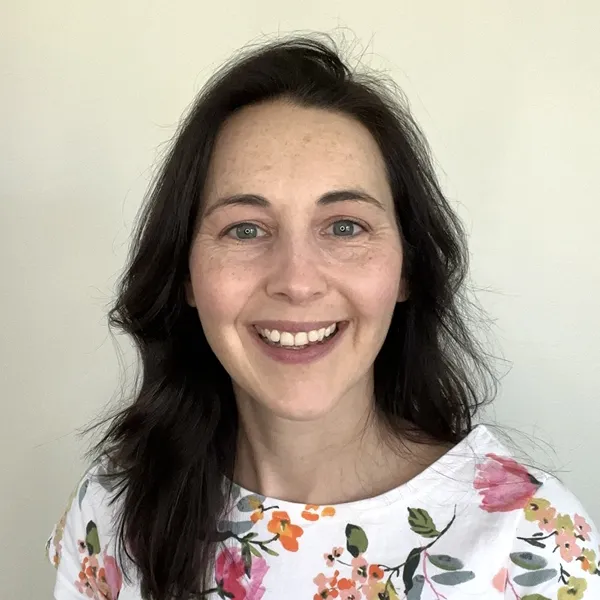
Undergrad: Nova Southeastern University
Graduate School: King’s College London, Dartmouth College
Cancer Biology, Tumor Biology, Cell Biology, Immunology
Dr. Vella loves baking macarons and experimenting with unexpected flavor combinations.
Dr. Vella began her academic training at Nova Southeastern University, where she earned a BS in biology. She then completed an MS in biomedical sciences at King’s College London. Throughout her academic research career, Dr. Vella has led projects involving immune imaging, gene expression profiling, and the development of novel experimental protocols, work that has been supported by multiple grant and fellowship programs. Her research has been published in prestigious journals such as Cancer Research, the Journal of General Virology, the Journal of Immunology, and others.
Professionally, Dr. Vella has built experience across academia, early-stage biotech, and venture-backed therapeutics. She served as Senior Associate and then Associate Director of Business & Alliance Management at Orange Grove Bio, where she led due diligence and partnership strategy across cell therapy, immunology, and oncology assets. She is currently a Co-Founder at ACATbio, a preclinical-stage company focused on novel immunomodulatory therapies, where she oversees research and development strategy, investor communications, and funding initiatives across both grant and venture channels.
Mentorship has been a consistent focus throughout Dr. Vella’s career. Beginning as a research associate at the University of Miami and continuing through her graduate and postdoctoral years at Dartmouth College, she has trained and mentored undergraduate researchers in the lab, supporting students as they develop research skills and grow into confident scientists. At Dartmouth, she also served as an Entrepreneur-in-Residence, advising academic spinouts on commercial strategy and mentoring trainees through translational accelerator programs.
Many of the students Dr. Vella has coached have completed honors theses, presented at conferences, and pursued advanced degrees in science and medicine. Dr. Vella has supported students through research spanning cancer biology, tumor biology, cell biology, and immunology.
Dr. Vella’s mentorship style bridges scientific rigor with strategic clarity. She supports students through every step of the research process, from question formulation and literature review to data interpretation and manuscript development. Her approach is structured, encouraging, and tailored to each student’s interests and goals. She is particularly excited to help students connect their research work to larger scientific narratives, clinical challenges, or societal needs. Whether guiding students toward their first abstract or helping them build confidence as future physicians and investigators, Dr. Vella values mentorship as a means of cultivating scientific curiosity and clarity of purpose.


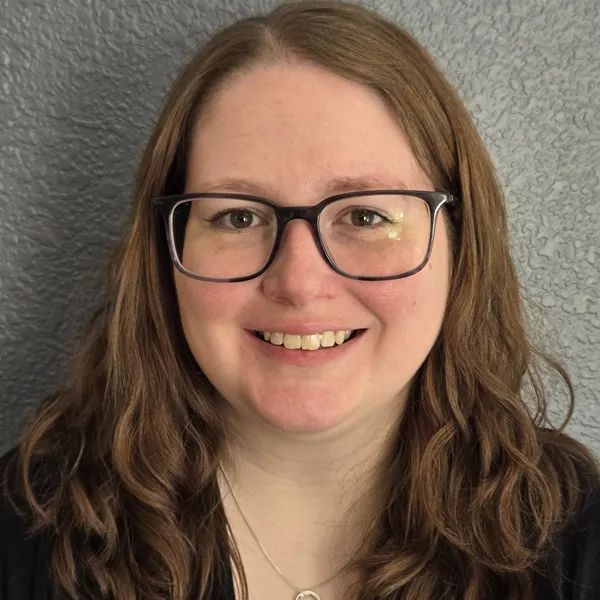
Undergrad: Georgia Institute of Technology
Graduate School: Texas A&M University College of Medicine
Medical Science, Genetics, Immunology, Molecular Biology, Neuroscience
Dr. Rees loves crafty hobbies like knitting and cross-stitch.
Before pursuing a PhD, Dr. Rees began her research career at the Georgia Institute of Technology, where she earned a degree in biology and gained early laboratory experience through undergraduate research. As a graduate researcher at Texas A&M University, Dr. Rees investigated the neurological consequences of 15q13.3 microdeletion syndrome using a homologous mouse model. Her dissertation, Characterization of the 15q13.3 Microdeletion and Its Effects on Neuronal Excitability, Astrocyte α7 nAChR Dynamics, and Neuroinflammation, examined how this genetic deletion alters hippocampal circuitry, astrocyte signaling, and inflammatory pathways.
Dr. Rees’ research integrated diverse experimental approaches, including genetically encoded calcium indicators, electrophysiology, cytokine profiling, and quantified cytokine and chemokine mRNA expression. She has authored five peer-reviewed publications—four from her graduate work and one from her undergraduate research—in reputable journals such as Cytokine, Brain Research, and Genetics. She is currently preparing additional manuscripts for publication and has presented her research multiple times at the Society for Neuroscience national conference.
With 10 years of research mentorship experience, Dr. Rees is known for creating a structured, supportive environment that helps students build both competence and confidence. She has mentored undergraduate and master’s students in laboratory techniques, experimental design, and data analysis. She has expertise in guiding students in research spanning genetics, immunology, molecular biology, and neuroscience.
Dr. Rees believes that effective mentorship is built on a strong relationship grounded in shared clarity about the research process and the student’s goals. She prioritizes developing a collaborative working relationship with each student, taking time to understand their learning style, strengths, growth areas, and goals. She guides students through the research process in a structured, supportive way that builds both competence and confidence. Many of Dr. Rees’ mentees have gone on to medical school, graduate programs, and other professional pathways.


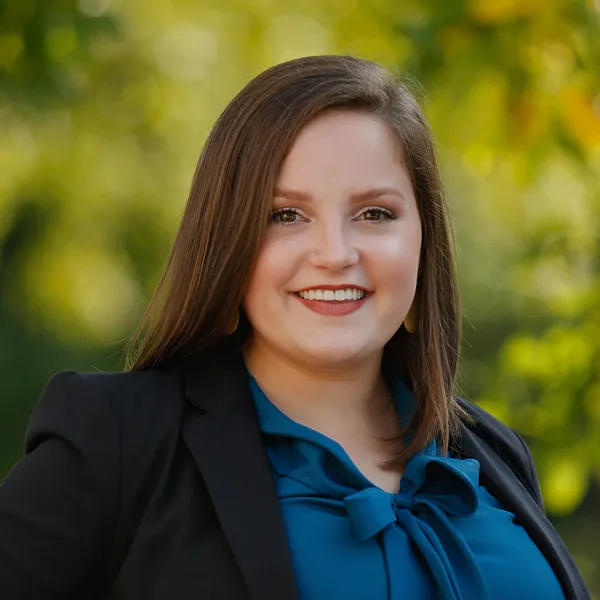
Undergrad: North Carolina State University
Graduate School: University of Virginia
Cancer Biology, Tumor Biology, Immunology
Outside of research and mentorship, Dr. Nowak enjoys taking long walks with her dogs, exploring new restaurants, and spending quality time with family and friends. In undergrad, Dr. Nowak was a proud member of the North Carolina State University clogging team.
Dr. Nowak began her academic journey at North Carolina State University, where she graduated summa cum laude with a BS in molecular, cellular, and developmental biology. She was a member of the University Honors Program, served as a tutor in the University Tutorial Center, and was actively involved in undergraduate research. Her early achievements were recognized with the People Helping People Scholarship from the State Employees’ Credit Union.
Throughout her research training, Dr. Nowak has developed strong expertise in preclinical cancer models, immunofluorescence imaging, flow cytometry, and quantitative image analysis. She has led projects investigating T cell distribution and activation within brain tumors, evaluated immune responses in murine models, and contributed to studies aimed at improving immunotherapeutic strategies. Her doctoral work focused on tumor immunology, immune cell dynamics, and advancing focused ultrasound technologies for brain tumor research.
Dr. Nowak’s work has resulted in presentations at national scientific meetings and peer-reviewed publications, including Neuro-Oncology Advances, Cancer Letters, and Cell Reports. Alongside her laboratory work, Dr. Nowak has built a strong foundation in scientific communication through her doctoral training, a competitive science writing internship at Virginia Commonwealth University, volunteer work with the Pet Cancer Foundation, and service as a copyeditor for the Journal of Emerging Investigators. These experiences strengthened her ability to translate complex scientific findings into clear, compelling narratives for both scientific and public audiences.
Dr. Nowak has mentored undergraduate and graduate trainees in experimental design, technical skill development, data analysis, and scientific writing. She has guided students through every stage of the research process—from developing a compelling research question and conducting thorough literature reviews to analyzing data and preparing abstracts, posters, and manuscripts. As a biomedical scientist and mentor with extensive training in translational research, she has supported students conducting research in cancer biology, tumor biology, immunology, and molecular biology.
As a research mentor, Dr. Nowak is known for her structured and personalized approach. She believes that strong research training begins with intellectual curiosity and is strengthened by organization, critical thinking, and communication. Her greatest strengths include breaking down complex scientific concepts into understandable components, helping students refine their academic writing, and teaching them how to think strategically about research impact. She emphasizes technical rigor, resilience, time management, and professionalism. Students frequently describe her as patient, detail-oriented, and deeply invested in their growth as independent thinkers.


Choose Your Plan: |
Individual Medical Research Program |
Premium Medical Research & Publication Program |
Inspira Medical Research Fellowship |
|---|---|---|---|
1:1 Sessions With Your Research Mentor, Writing Advisor, and Publication Specialist |
11 |
23 |
42 |
Dedicated Student Success Manager |
|||
Letter of Recommendation Support |
|||
Poster Presentation Support |
|||
Academic Paper |
Publication in a Journal |
Publication in a highly selective journal |
|
Duration |
12 weeks |
3 - 4 Months |
6 - 12 Months |
Program |
Individual Medical Research Program |
Premium Medical Research & Publication Program |
Inspira Medical Research Fellowship |
Master Program Our Master Advisors are all physicians and former admissions committee members and interviewers. They have extensive experience advising and supporting pre-med students with the entire med school application process |
$2,600Enroll Now |
$4,600Enroll Now |
$8,400Enroll Now |
Director Program Our Director Advisors provide everything you could expect from a Master Advisor and they come with a longer track record and experience working with pre-med students |
$3,400Enroll Now |
$6,000Enroll Now |
$11,000Enroll Now |
Payment Options |
Flexible Extended Payment Plans Available |
||


Despite a strong GPA and plentiful volunteer and clinical hours, Miles had no research experience. He’d applied for a few research assistantship positions and heard nothing back. Aiming to diversify his pre-med profile, he approached Inspira Advantage for help.
Miles submitted his paper to three selective undergraduate journals, secured a medical school recommendation letter from his supervisor, and gained a strong foundation in research and scientific reasoning.


Samantha had worked as a research assistant for two years and had even presented at a regional poster session. But all of it was contributory work on other people's projects, and she had no first-author publication to show for the hours she'd put in. She knew her real passion was cardiovascular regeneration, but she didn't know how to create a project that was hers alone.
Samantha completed her first-author paper, submitted it to selective undergraduate journals, and obtained a recommendation letter from her mentor connecting her drive, curiosity, and previous experience into a cohesive narrative.

Darren came to Inspira Advantage seeking research experience a month before AMCAS opened. He worried it was too late to add anything meaningful to his profile, but he also knew that missing research experience in his activities list was exactly the kind of thing that could hold him back.
As his research progressed, Darren’s mentor helped him send strategic updates to schools, signaling his interest in medicine and advancing the field. Darren submitted his paper for publication to two journals.



Our online research program allows students to complete a research project on a topic of their choosing under the guidance of an experienced mentor. You will complete a research paper or literature-based research project that analyzes and synthesizes existing scientific research and data. While the program is conducted remotely, students work closely with their mentor throughout the process and develop a publishable research manuscript.
You will meet with your research mentor on a flexible schedule tailored to your availability. Most students participate on a part-time basis and dedicate approximately 10 hours per week to their research projects, although this can vary depending on their schedule and goals. Meeting frequency is determined by the student and mentor, allowing flexibility to accommodate academic, extracurricular, and personal commitments.
Students generally spend between 150 and 250+ total hours on their research project, depending on the topic.
Your research mentor will guide you through the development of a literature-based medical research paper. Their role includes:
Your research mentor will support you through the brainstorming, writing, editing, and publication phases to help you improve your chances of getting into your dream medical school.
You will complete an intake form that provides information about your research interests, academic background, learning style, and goals. We will match you with your best-fit mentor based on the information you provide in your intake form and your availability.
You can find examples of past research projects above. Your final product is a formal research paper suitable for publication in a journal.
Where you can publish your research depends on the scope of your project and the journal. You can find specific examples of journals where students have been published above.
You will work one-on-one with an experienced research and publication mentor who guides you through every phase of the research and publication process. You will be listed as the first author on your research project.
This program is designed to take students from project development through publication. Students who actively participate, complete the required work, and follow the guidance of their mentor can expect to progress successfully through the publication process, although all publication decisions rest with journals.
Many students who participate in traditional research environments may be one of many contributors on a project and receive authorship further down the list. Through this program, students have the opportunity to lead their own project and earn first-author publication status, which can help distinguish them from other applicants.
Medical and PA schools want to see what applicants are currently doing, even throughout the admissions process. Research that is ongoing or recently initiated can still be included in applications, essays, interviews, and update letters. Admissions committees generally view continued involvement in meaningful activities positively, especially when the student is genuinely engaged in the work and can speak thoughtfully about the experience.