Get in touch: +1 888 453 5021


Vet School: Sylhet Agricultural University
Graduate School: Sylhet Agricultural University; University of Minnesota, Twin Cities
Veterinary Medicine, Biostatistics, Epidemiology, Public Health
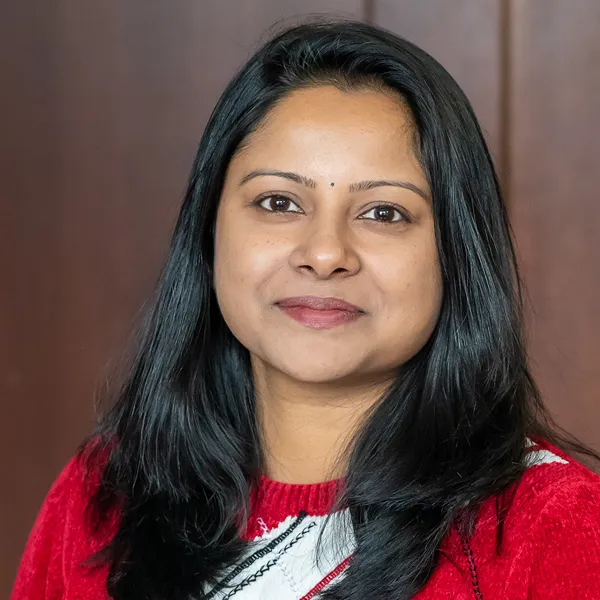
Dr. Das loves research, but she especially enjoys helping students make complicated ideas feel manageable.
Dr. Das’ doctoral training emphasized advanced epidemiologic methods, biostatistics, spatial analysis of infectious diseases, population health data analysis, and grant writing. Her work integrates statistical and predictive modeling, time-series analysis, qualitative methods, and geospatial epidemiology, and she is proficient in tools, such as R, SPSS, Stata, ArcGIS, Dedoose, and Qualtrics. Her primary research focuses on rabies control, zoonotic disease surveillance, and health systems strengthening in low- and middle-income countries.
At the University of Minnesota’s Center for Animal Health and Food Safety, Dr. Das led a spatial population prediction model estimating the distribution of free-roaming dogs in Kenya. This work was supported by a $10,000 Graduate Student/Resident Internal Grant Award and contributed to high-impact publications and applied insights for rabies control planning. She has also conducted systematic reviews, field-based epidemiologic surveys with veterinary professionals in Kenya, time-series analyses of dog bite surveillance data, and stakeholder-engaged rabies control workshops.
Dr. Das has authored and co-authored 13 peer-reviewed publications. Her work has been published in journals including Pathogens, Frontiers in Veterinary Science, PLOS ONE, and Heliyon. She has presented her research at major international conferences, including the International Symposium on Veterinary Epidemiology and Economics and the International Conference on One Health, as well as national veterinary medical conferences. She is also an active peer reviewer for journals including PLOS ONE, PLOS Neglected Tropical Diseases, Journal of Small Animal Practice, and Public Health Challenges.
Teaching and mentorship are central to Dr. Das’ career. She previously served as an assistant professor at Sylhet Agricultural University, where she taught veterinary epidemiology, public health, bioinformatics, and veterinary jurisprudence while co-supervising Master’s students and mentoring undergraduate researchers. At the University of Minnesota, she served as a residency program teacher, supporting graduate-level learning and experiential training focused on biosecurity and public health systems. Beyond research and teaching, Dr. Das has served in multiple leadership roles, including Program Representative for the Council of Graduate Students at the University of Minnesota and General Secretary of the Bangladesh Student Association.
As a research mentor, Dr. Das is known for her structured, analytical, and highly supportive approach. She believes strong research begins with asking precise, meaningful questions and building a clear methodological roadmap. She guides students through every stage of the research process, from refining research questions and conducting systematic literature reviews to designing studies, performing statistical analyses, and preparing manuscripts for submission. Her strengths include demystifying quantitative methods, strengthening academic writing, and helping students develop confidence in presenting their work. Dr. Das emphasizes accountability, clarity, and incremental progress, ensuring that each student builds both technical competence and independent scientific thinking.
With 10 years of mentorship experience, Dr. Das’ passion for mentorship stems from her own journey navigating international research environments and interdisciplinary collaborations. She views research not only as a credential-building activity but as a process that cultivates critical thinking, intellectual rigor, and leadership in public health.

Undergrad: Cornell University
Vet School: Cornell University College of Veterinary Medicine
Graduate School: Cornell University
Large Animal Surgery, Immunology, Biomedical Informatics, Clinical Informatics, Data Science
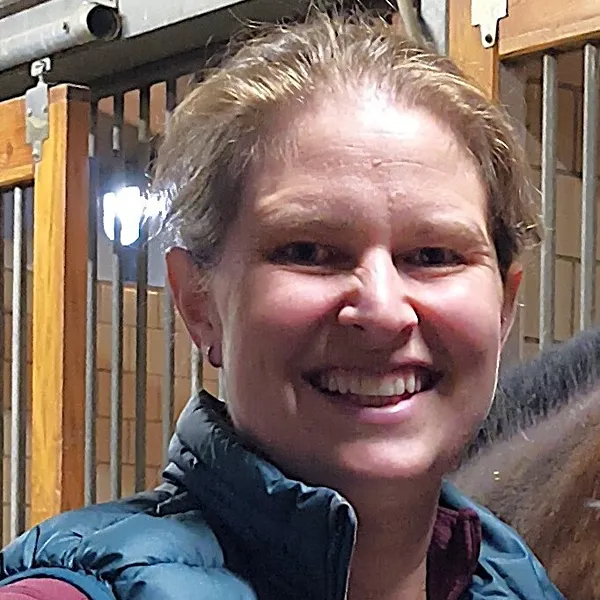
Dr. Secor won first-place female in her first 100-mile ultramarathon, finishing in a bit under 29 hours. She also enjoys hiking with her husband and son, horseback riding, and cooking.
Across her training and career, Dr. Secor has built a wide-ranging research portfolio grounded in equine immunology and sports medicine. Before attending vet school, Dr. Secor earned a Bachelor's degree from Cornell University, graduating magna cum laude with distinction in research. During her undergraduate studies, Dr. Secor focused on equine neonatal immunology and successfully published a first-author paper describing the transfer of immune cytokines by colostrum to equine neonates.
Dr. Secor explored other research areas in vet school through several internship periods spent working with Nutramax Laboratories, exploring inflammatory markers in chondrocyte cultures and the effects of nutraceuticals and therapeutics on their production. During residency. She completed a Master's degree, shifting to clinical research through her study of an alternative technique for prosthetic laryngoplasty in the horse. During her PhD training, Dr. Secor combined her passion for immunology and brought it into equine sports medicine. Through her thesis entitled "Investigating Joint Pathophysiology Through Synovial Fluid Proteomics, Immune Cell Profiling, and Therapeutic Approaches in Equine Osteoarthritis," Dr. Secor discovered several promising diagnostic biomarkers, implicated several immune cell types in disease pathogenesis, and explored the effects of current and novel therapeutics.
Dr. Secor's work has been published in highly competitive journals, including the Equine Veterinary Journal, American Journal of Veterinary Research, and Veterinary Surgery. She has presented her work at many national and international professional conferences, including meetings of the American College of Veterinary Surgeons, North American Veterinary Regenerative Medicine Association, and Veterinary Comparative Research Society. Dr. Secor has won two separate awards for her outstanding poster presentations. Additionally, she was selected as the 2025 Grayson-Jockey Club Research Foundation Storm Cat Research Career Advancement Award Recipient.
Dr. Secor loves mentoring students and veterinary house officers, taking tremendous joy in watching them progress and succeed. She has served as an undergraduate and veterinary student research mentor at Cornell University, as well as a mentor and Principal Investigator through the Harvard University Undergraduate OpenBio Laboratory program. Dr. Secor has guided undergraduate and veterinary students through study design, data analysis, and scientific communication, and her mentees have gone on to programs including the University of California, Davis School of Veterinary Medicine, Ross University School of Veterinary Medicine, and Kansas State University.
Dr. Secor understands the complexities of navigating professional school applications alongside conducting high-quality research and can offer firsthand experience in balancing research, clinical aspirations, and making career shifts.
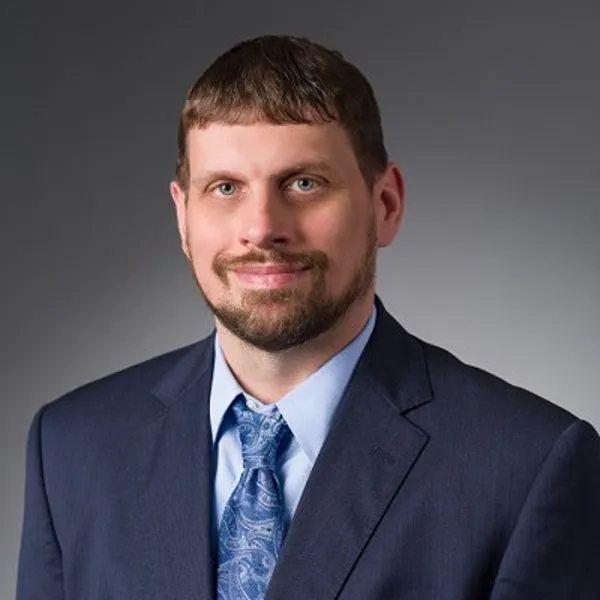
Undergrad: Park University
Graduate School: Texas A&M University, University of Houston
Behavioral & Social Sciences in Health, Biochemistry, Biostatistics, Chemistry, Health Policy, Health Economics, Health Services, Outcomes Research, Public Health, Biomedical Informatics, Clinical Informatics, Data Science
Dr. Berry is an avid traveler who has visited almost 100 countries and lived in China for nearly eight years while working at a university in Shanghai. He is also an avid writer and hopes to publish his first work this upcoming year.
Dr. Berry began his academic training at Park University, where he earned a degree in chemistry. He then completed a teaching certificate at the University of Central Missouri before graduating with an MBA with a concentration in accounting at Texas A&M University. Dr. Berry was awarded the Larry and Phyllis Hughes Award for Leadership Studies Endowment while completing his PhD.
While completing his PhD at the University of Houston, Dr. Berry served as a research mentor. In this role, he researched utilizing machine learning techniques to analyze student data and to identify motivation from student responses. He currently teaches quantitative analysis, survey design, and analysis in R and Python at Baylor University.
Dr. Berry also serves as a research mentor and consultant to students interested in conducting research, with an emphasis on study design, methodology, and data analysis. With five years of mentorship experience, Dr. Berry holds advanced training in education and a proven record of helping students, institutions, and clients make informed decisions through clear communication, thoughtful analysis, and a dedicated commitment to excellence. Students Dr. Berry has mentored have pursued opportunities at institutions including Baylor College of Medicine, Cornell University, and Harvard University.
Dr. Berry’s achievements reflect a career built on student growth and success. Whether assisting students, working with faculty, or conducting cutting-edge research, he is dedicated to providing thoughtful support and dependable results.



Hannah achieved a competitive undergraduate GPA and logged hundreds of hours of veterinary and animal care experience. However, she had no research experience and was worried her pre-vet profile wouldn’t stand out in the admissions process.

Hannah submitted her paper to several selective undergraduate journals and earned a recommendation letter from her mentor.
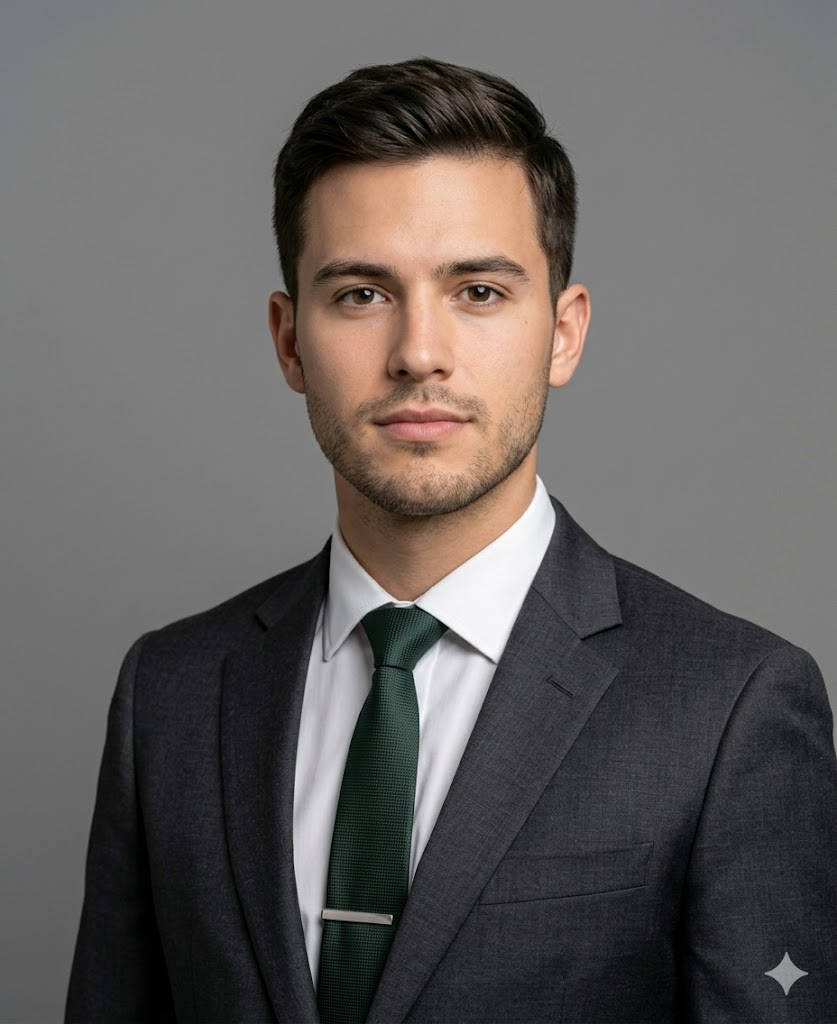
Ben had prior research experience and a fairly solid pre-vet profile. He had spent over a year working as a research assistant in a physiology lab, contributing to a publication where his name appeared far down the list. Ben wanted to pursue his passion for research with his own first-author publication.
Ben completed his paper and submitted it to three selective undergraduate journals. He also earned a recommendation letter from his research mentor and gained more research experience to highlight in his VMCAS Experiences list.
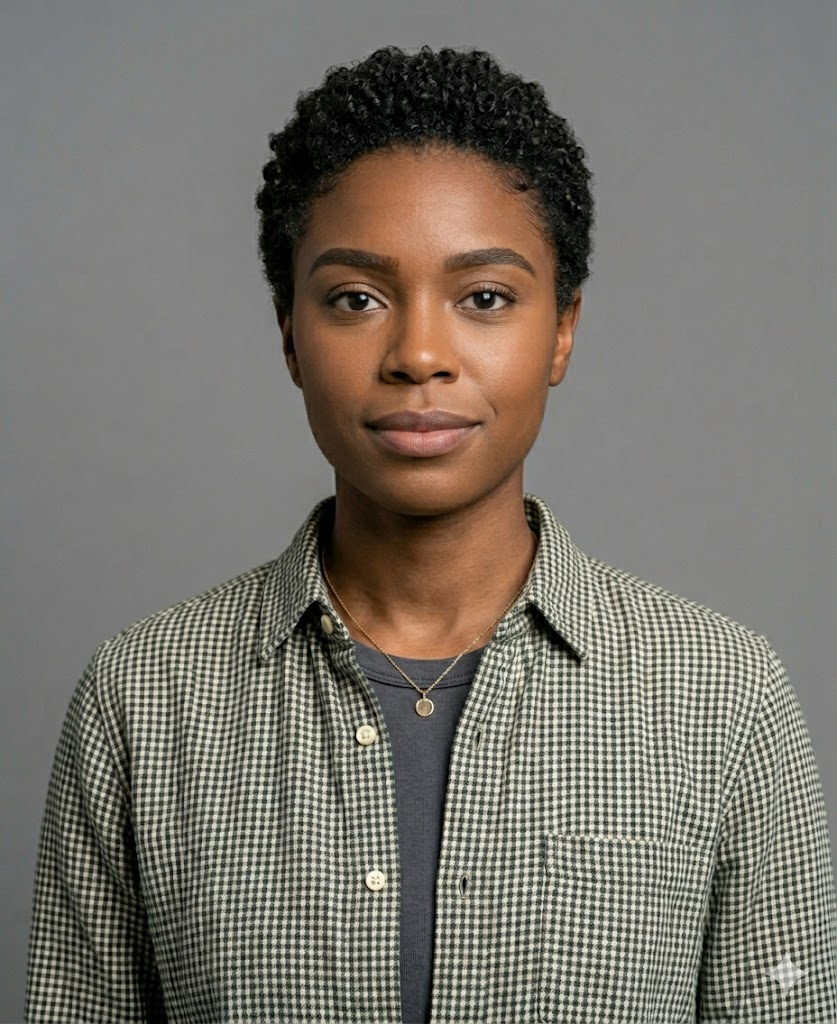
Gracie contacted Inspira Advantage about three months before she planned to submit your VMCAS application, hoping to give her profile one last boost. She realized that she had no research experience, but was worried that a last-minute project would look like she was just covering her bases.
Gracie finished her research paper during the admissions cycle and highlighted her experience in her secondary essays. She also submitted her paper to two selective journals.




.svg)

