Get in touch: +1 888 453 5021


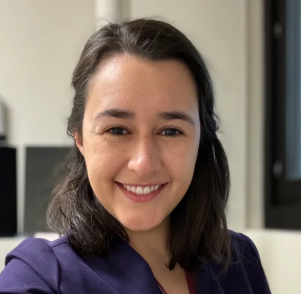
Stephanie Moss, MD, is the founder of MedPsycMoss.
My interest in medicine began in high school, although I didn't fully recognize the significance of that moment until years later. During my junior year, one of the teachers at my school suddenly experienced a seizure in the middle of class. As a member of the school's emergency response team, I was called to assist. At the time, I only had basic first aid and CPR training, and I remember feeling incredibly helpless. I wanted desperately to do something, but I didn't have the knowledge or skills to meaningfully intervene.
That experience stayed with me. It sparked a desire to understand the human body, learn how to respond to medical emergencies, and develop the skills necessary to help people during their most vulnerable moments.
I didn't come from a family of physicians. My mother was a teacher, my father worked as a financial analyst, and no one in my extended family had pursued a medical or scientific career. Medicine was an entirely unfamiliar world to me, but that experience inspired me to explore it.
In college, I pursued my advanced EMT certifications, which reinforced my interest in medicine. However, it was ultimately my experiences working directly with vulnerable populations, particularly older adults and individuals with disabilities, that transformed my initial curiosity into a deeper commitment to becoming a physician.
I wish I had understood how important storytelling would be throughout the medical school application process, particularly when writing my personal statement.
When I first began applying, I approached my personal statement almost like an extension of my résumé. I listed my experiences, accomplishments, and activities, assuming that demonstrating how much I had done would be enough to communicate why I would make a good physician.
I quickly learned that an effective personal statement requires much more than listing qualifications. I went through numerous drafts, struggling to find a way to authentically communicate who I was and why my experiences mattered. It wasn't until I met with a school counselor that I began to understand the importance of developing a narrative rather than simply describing my accomplishments.
The advice that stayed with me was to show, rather than tell. Instead of stating that I was compassionate or resilient, I needed to share experiences that demonstrated those qualities.
Interestingly, I never considered myself much of a writer before applying to medical school. Today, narrative medicine and reflective writing have become important parts of my professional identity.
My advice to applicants is to begin reflecting on their experiences early. Don't simply ask yourself what you've accomplished. Ask yourself how those experiences changed you, what you learned, and how they shaped the physician you hope to become.
The biggest challenge I encountered with the MCAT wasn't necessarily the academic material. It was the overwhelming anxiety I experienced in an unfamiliar testing environment.
I was a psychology major at the University of Colorado Boulder and had completed the required premedical coursework. I had performed well academically, including earning one of only five A's in my organic chemistry course. Because of that academic success, I initially approached the MCAT as though it would be another challenging college examination.
I underestimated how different the experience would be.
I had never taken a standardized examination at a Prometric testing center. The strict security procedures, constant monitoring, and movement of testing personnel around the room were unexpectedly distracting. Combined with the pressure I placed on myself to succeed, the environment became overwhelming, and I experienced a full panic attack during the examination.
At the time, I was also balancing my college coursework, employment, and preparation for medical school. I hadn't given myself sufficient dedicated time to prepare for an examination of that magnitude.
Although I ultimately received a score that was significantly lower than I had hoped, the experience taught me an important lesson about preparation and recognizing how anxiety can interfere with performance.
I learned that succeeding on standardized examinations requires more than knowing the material. It also requires familiarity with the testing environment, dedicated preparation, and strategies for managing stress under pressure. These were lessons I would revisit throughout medical school and residency.
Before applying to medical school, I pursued several experiences that allowed me to work directly with different patient populations, including emergency medical training, volunteering, caregiving, and case management.
During my first year of college, I obtained my EMT and advanced EMT certifications. Although I initially hoped to work on an ambulance, I discovered that EMT positions in Boulder were highly competitive. I even failed the entrance examination for one of the ambulance services where I applied. Nevertheless, I found opportunities to use my training through volunteer experiences, including providing medical support at community events and the Boulder Ironman competition.
While in college, I also needed to work to support myself financially. At my husband's encouragement, I pursued a position as a caregiver for older adults, despite initially feeling much more comfortable working with children.
That decision became one of the most formative experiences of my early career.
Working with older adults taught me humility, patience, and the importance of preserving dignity in vulnerable situations. I helped individuals complete basic activities of daily living, including eating, bathing, and dressing. I developed a particular interest in working in memory care, where I learned how to connect with individuals experiencing significant cognitive impairment and adapt my communication to their needs.
Another especially meaningful experience was working as a case manager for children with intellectual and developmental disabilities. This role introduced me to the complex challenges families encounter when navigating educational, medical, and social support systems. I learned about individualized education programs, accommodations, and the advocacy often required to ensure that children with disabilities receive appropriate services.
Of all my experiences, caregiving and case management had the greatest impact on my development as a future physician. They taught me that meaningful patient care requires understanding far more than a diagnosis. It requires recognizing the social, emotional, and systemic challenges affecting patients and their families.
These experiences ultimately helped shape my interest in psychiatry and, later, child and adolescent psychiatry. They also strengthened my medical school application by giving me meaningful experiences to reflect upon, rather than simply activities to list.
Absolutely. My path to medicine has been far from straightforward, and I believe some of my most important lessons came from the setbacks I experienced along the way.
One of my earliest challenges was my performance on the MCAT. Despite doing well in my undergraduate coursework, I struggled with standardized testing and experienced significant anxiety during the examination. My retake MCAT score of 505 was not what I had initially hoped to achieve, and I worried that it would significantly limit my opportunities.
However, I was pleasantly surprised by the number of medical school interviews I received. My husband, who was also applying to medical school, had scored in approximately the 99th percentile on the MCAT, yet I received more interview invitations than he did.
That experience taught me that an application is much more than a test score.
I believe the strength of my application came from my clinical experiences, extracurricular involvement, and, most importantly, my ability to communicate how those experiences had shaped me.
My challenges didn't end once I entered medical school. I subsequently struggled with USMLE Step 1, including examination failures, significant financial difficulties, and the need to balance employment with studying. During medical school, I also learned my mental and physical health conditions allowed me to qualify for accommodations which could help me better demonstrate my knowledge and abilities.
There were moments when these setbacks made me question whether I would ever become a physician. Ultimately, I learned that the way we respond to failure can be just as meaningful as the failure itself.
When advising premeds, medical students and residency applicants today, I encourage them not to spend too much time attempting to justify or explain away their challenges. Instead, acknowledge what happened, explain what you learned, and demonstrate what you changed moving forward. You don't need to disclose every personal detail or medical circumstance to communicate growth. What matters is demonstrating insight, accountability, and the willingness to improve.
My experiences taught me that resilience isn't about never experiencing failure. It's about continuing to pursue your goals while learning and adapting through adversity.
My decision to pursue psychiatry was shaped by my desire to understand patients as whole people rather than focusing exclusively on a particular diagnosis or organ system.
Throughout my experiences in caregiving and case management, I became increasingly interested in how an individual's psychological well-being, physical health, relationships, and environment influence one another.
Working in memory care taught me the importance of understanding a person's individual experiences and adapting my approach to meet their needs. Later, as a case manager for children with intellectual and developmental disabilities, I witnessed how profoundly mental health, family dynamics, and access to community resources could affect a child's development and quality of life.
These experiences helped me recognize that the part of medicine I found most meaningful was the opportunity to sit with patients, listen to their stories, understand their circumstances, and help them achieve their own personal goals.
Psychiatry provides the opportunity to do exactly that.
What I love most about psychiatry is that understanding a patient's symptoms is only one part of our responsibility. We also need to understand how those symptoms affect their ability to attend school, maintain relationships, participate in meaningful activities, and navigate everyday life.
For students considering psychiatry, my biggest piece of advice is to reflect on what genuinely interests you about the people you care for: Are you curious about their life experiences? Do you want to understand how their childhood, relationships, work, and environment influence their health? Are you willing to spend time listening, even when there isn't an immediate or straightforward solution? If those questions resonate with you, psychiatry may be an incredibly fulfilling specialty.
Psychiatry requires curiosity, empathy, patience, and a genuine interest in understanding the complexities of human experience. While there are many different career paths within the field, I believe that genuine interest in patients' lives is foundational to being an effective psychiatrist.
For me, pursuing psychiatry has also created an opportunity to continue advocating for populations I worked with long before entering medicine, particularly children and families navigating developmental disabilities and barriers to care.
Ultimately, psychiatry allows me to combine the scientific knowledge and clinical skills of a physician with the human connection that originally drew me toward medicine.
Stephanie Moss, MD, was interviewed by Arush Chandna, the co-founder of Inspira Advantage, a medical school admissions consulting company.

.svg)

