Get in touch: +1 888 453 5021


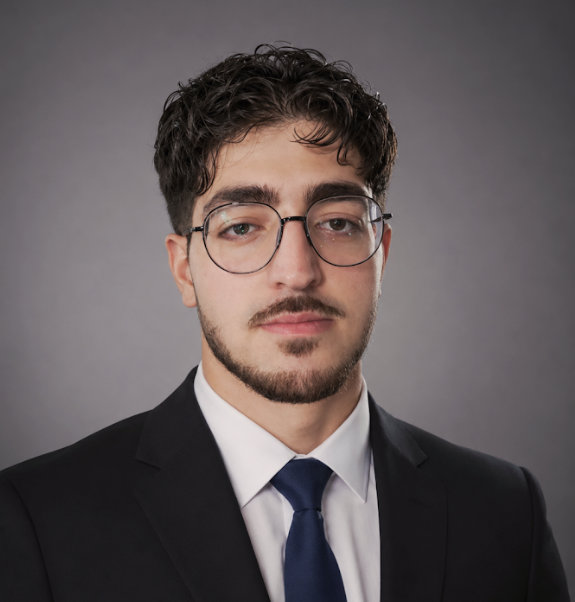
Mohammed Ayyad is the President of AMSA Undergraduate Chapter at University of Holy Cross.
The thing that's brought up the most isn’t a single event, but the environment we built. AMSA has become a space where students no longer feel alone. The guest speakers, the clinical demos, the Healthcare Expos, the graduate school visits, and every event we host is a collaborative effort and the result of teamwork. Our work as future physicians and healthcare workers doesn't start when we enter the program of our dreams. It starts years before that with the work we put in, the relationships we build, and the different experiences we expose ourselves to. To put it simply, AMSA is a simulation for what the future holds in store for us. For a lot of students, AMSA became the first time they felt like “I belong in medicine.”
The biggest pressure is the feeling that every single decision is high‑stakes. People outside of this process don’t realize how heavy it is to constantly think, “If I mess up here, it could cost me my future.” There is a pressure to constantly monitor grades, but also be involved in research, volunteering, clinical hours, and leadership. As we reach our senior year comes the pressure of letters, timing, finances, and the fear of falling behind. There’s this constant background noise of comparison and self‑doubt that never really shuts off. We’re a smaller campus, so we often feel like we have to work twice as hard to prove we’re “competitive.” AMSA has been a mechanism to address this pressure through directed group exposure and interaction. There simply is no "I" in "Team."
I would remove the expectation that you have to be perfect, can’t make mistakes, can’t have a bad semester, or can’t be human. Medical schools are beginning to understand that growth matters more than perfection. Some of the best physicians I know are the ones who struggled, took a step back, and came back stronger. Unfortunately, our culture makes students feel like one misstep is all that defines them when it doesn’t.
Burnout and mental health are certainly topics that students are more willing to discuss now-a-days. Overall, we try to be more open, but there’s still a huge pressure to just "grind" through quietly. It's no secret that Pre‑med culture rewards the person who “never stops,” even when that’s unhealthy. A lot of students don’t want to admit they’re overwhelmed because they think it makes them look weak or “not cut out for medicine.” What I’ve seen, though, is that the moment one person opens up, everyone else feels more comfortable to join in. We call it "trauma-bonding."
Social media has had both positive and negative effects on pre-med culture. It can certainly add pressure by turning everything into a comparison game where you’re constantly measuring yourself against people who only show their highlight reel. This can make you feel behind even when you’re doing everything right. At the same time, it’s also created this huge network of genuine connection and shared knowledge that older pre‑meds never had access to. You can learn from other students, get quick explanations for tough concepts, discover opportunities you wouldn’t have known about, and even find ideas for fun events or ways to build community on campus. It’s a double‑edged sword in a way.
Being pre-med is expensive long before medical school even starts. The cost of applications, prep courses, MCAT fees, secondary fees, travel, conferences, scrubs, textbooks adds up fast. Alot of students are working jobs on top of everything just to keep up. Some students aren’t necessarily “less involved” or “less competitive,” they’re just balancing other responsibilities and obligations with an already busy schedule. It's important to be intentional. My biggest piece of advice of incoming students is always to apply for scholarships. School can be rigorous enough without the additional burden of finances.
Inspira Advantage is proud to interview student leaders like Mohammed Ayyad, who shares valuable insights on balancing academics, clinical experience, burnout, social media pressures, and the financial realities of pursuing a career in medicine. Learn more about how our medical school admissions consultants can help you get into medical school today.

.svg)

