Get in touch: +1 888 453 5021


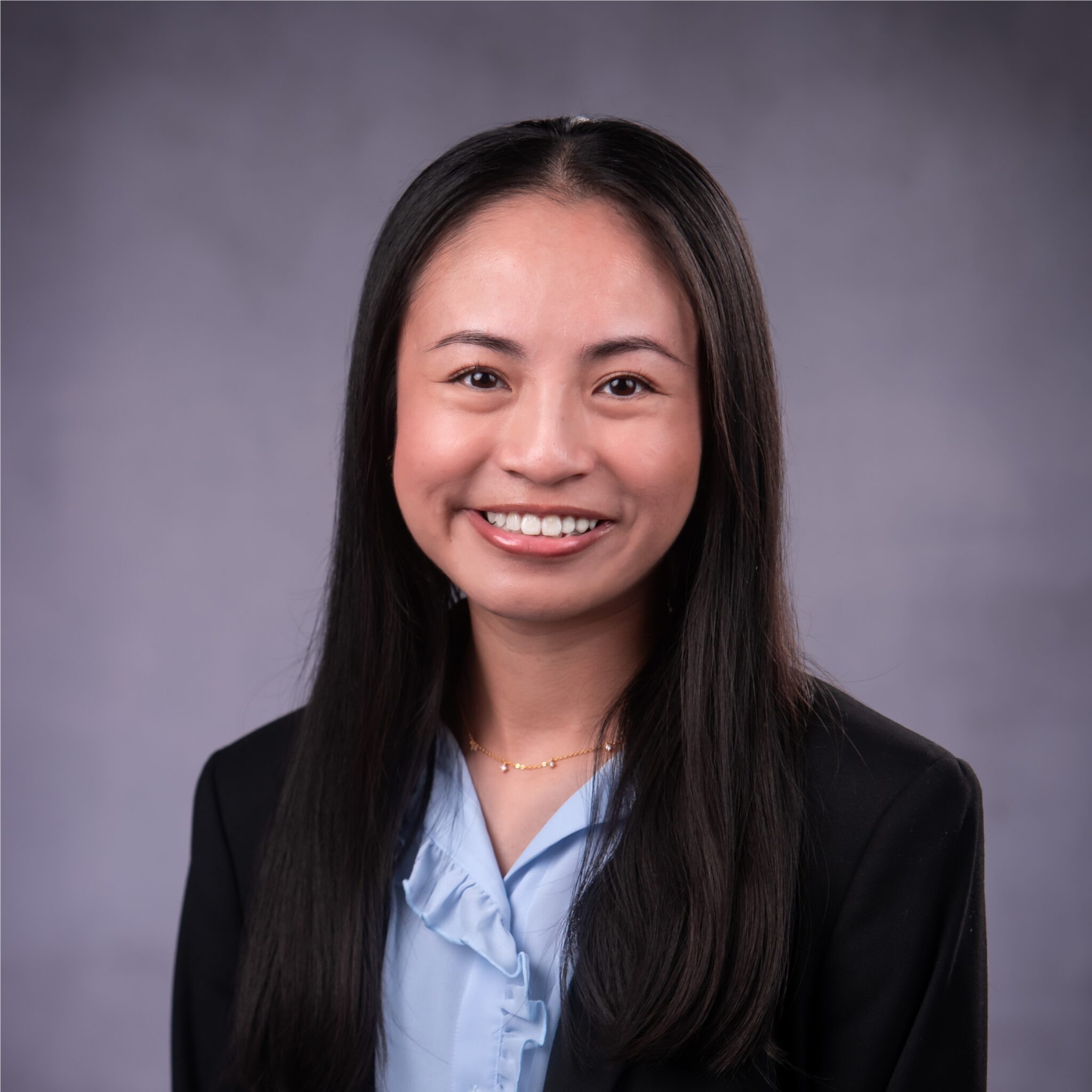
Callista Wu is the Communications Vice President of the Asian Pacific American Medical Student Association (APAMSA).
The Asian Pacific American Medical Student Association (APAMSA) fosters a community where medical students across the country can find mentorship, belonging, and opportunities to make a meaningful impact beyond their medical school curriculum. For many Asian American, Native Hawaiian, and Pacific Islander (AANHPI) students, APAMSA provides a space to connect with peers who share similar experiences and understand the unique challenges and opportunities that come with pursuing a career in medicine.
Beyond supporting its members, APAMSA is committed to serving the diverse communities represented within the AANHPI population. Through health education, community outreach, advocacy, diversity, and professional development initiatives, APAMSA empowers future physicians to better understand and address the health disparities affecting AANHPI communities.
National APAMSA also has the unique and invaluable ability to connect generations of healthcare professionals. Current medical students learn from physicians and mentors who have navigated similar paths, while also gaining opportunities to become community leaders and advocates themselves. As the largest 501(c)(3) nonprofit representing the AANHPI medical community, APAMSA unites healthcare professionals at every career stage—from pre-medical students to seasoned attending physicians—in our shared mission to transform AANHPI health outcomes.
APAMSA supports and inspires future physicians by providing opportunities for mentorship, leadership, service, advocacy, and professional development. Through local chapters and National APAMSA initiatives, medical students can connect with peers and physicians, explore different specialties and career paths, and build relationships that extend well beyond medical school.
As an organization dedicated to our collective mission for health equity, APAMSA encourages students to see themselves not only as future physicians, but also as advocates for their patients and communities. Community service and health equity initiatives expose students to the social and cultural factors that influence health, while advocacy efforts empower them to address challenges uniquely affecting AANHPI communities.
APAMSA also inspires students through representation. Seeing physicians and healthcare leaders from diverse AANHPI backgrounds demonstrates that there are many different paths into medicine and that our identities and experiences can be strengths in providing culturally competent care for our patients.
By creating a supportive community while encouraging students to lead and serve, APAMSA helps develop healthcare professionals who are not only clinically competent, but also compassionate, culturally responsive, and committed to improving the communities around them.
Our advice would be to embrace your AANHPI identity and the experiences that have shaped you rather than feeling that you need to fit a particular mold to belong in medicine. Your culture, family, community, and personal experiences can provide perspectives that make you a stronger and more empathetic physician.
Medicine is a long and challenging journey, so surround yourself with a community who believes in you and seek out mentors who can guide you along the way. Organizations like APAMSA can provide a sense of community and remind you that you are not alone in navigating this path.
We also encourage students to look beyond academics and their medical school curriculum. Get involved in your community, listen to the people you hope to serve, and pursue opportunities that deeply resonate with you. These experiences can shape the kind of physician you ultimately become.
Most importantly, do not allow uncertainty or a lack of representation convince you that you do not belong. Your perspective is important, your voice matters, and the communities you represent need physicians who understand and value their experiences.

.svg)

