Get in touch: +1 888 453 5021


The 2025-2026 admissions cycle was among the most competitive in recent years, and 2026-2027 is likely to be no different. Applicants are forced to write a unique personal statement, accumulate the right amount of research, clinical, and extracurricular hours, and prepare for a multitude of interview formats, all for the chance of being accepted. Many never make it in at all.
Working months on an application, paying thousands of dollars just to apply, and eventually not getting in is a truly devastating situation. That’s why having a knowledgeable, dependable, and supportive pre-med advisor to help you on your journey is the best support system you can have.
But not every pre-med advisor offers the level of expertise it truly takes to help a student stand out from thousands of other applicants.
We gathered the 50 best pre-med advisors who have demonstrated their commitment to student wellness through concrete actions. Each one of the advisors below has the knowledge and expertise to help you on this difficult journey.
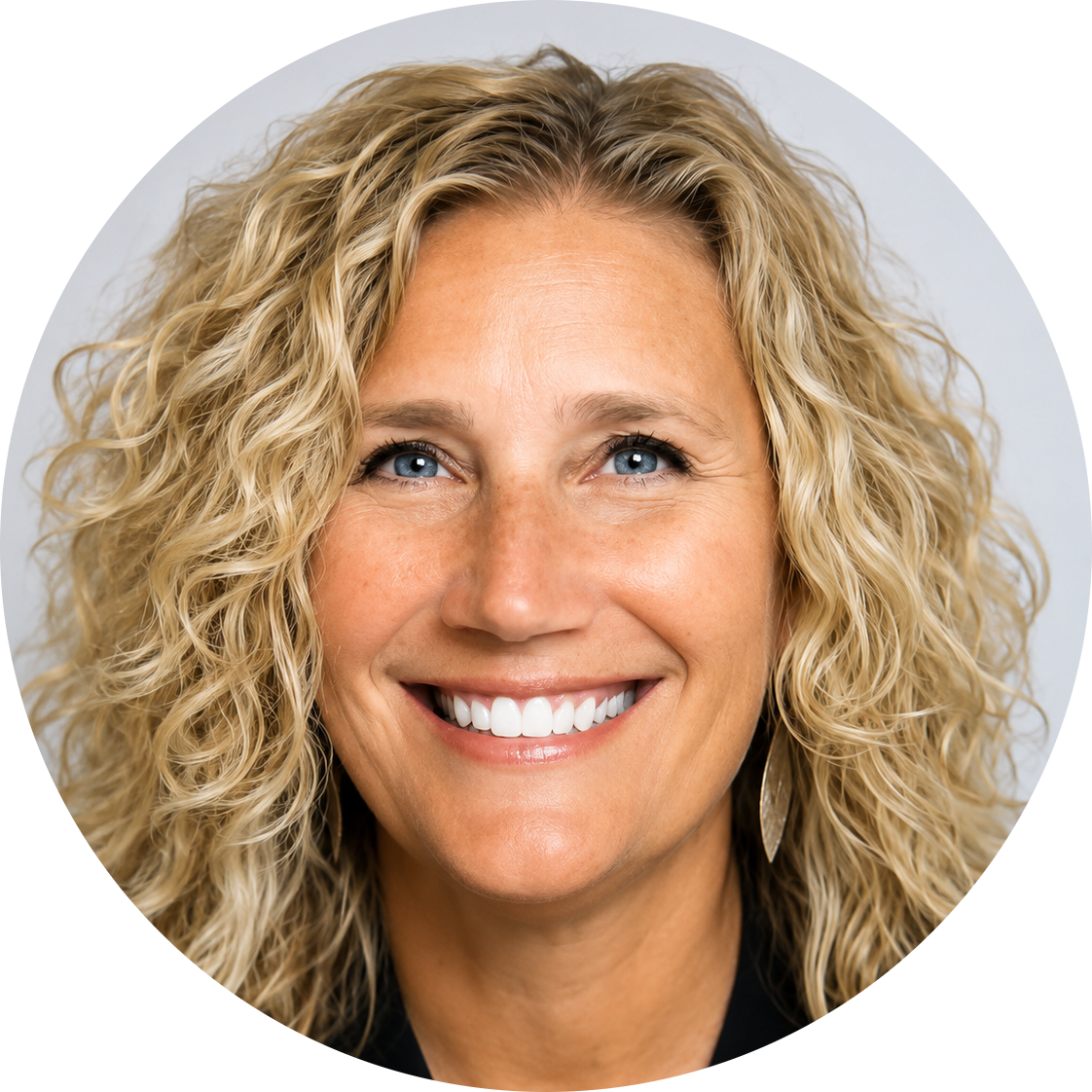
Tammy LaRue directs Pre-Health Advising at Calvin University. Her career spans youth ministry, graduate counseling training, private counseling practice, medical school, pediatric residency, and clinical pediatrics. Her combination of counseling and physician experience gives her a distinctive foundation for accompanying students through both the human and professional demands of health-care preparation.
| Reason for Ranking: |
|---|
| LaRue ranks exceptionally well because of her direct experience in both counseling and medicine. Before becoming a physician, she pursued graduate training in counseling, worked in private practice, and co-directed a marriage counseling ministry. She later completed medical training, a pediatric residency, and clinical practice. She is excellent at drawing on counseling preparation and physician experience while working with aspiring health professionals. |
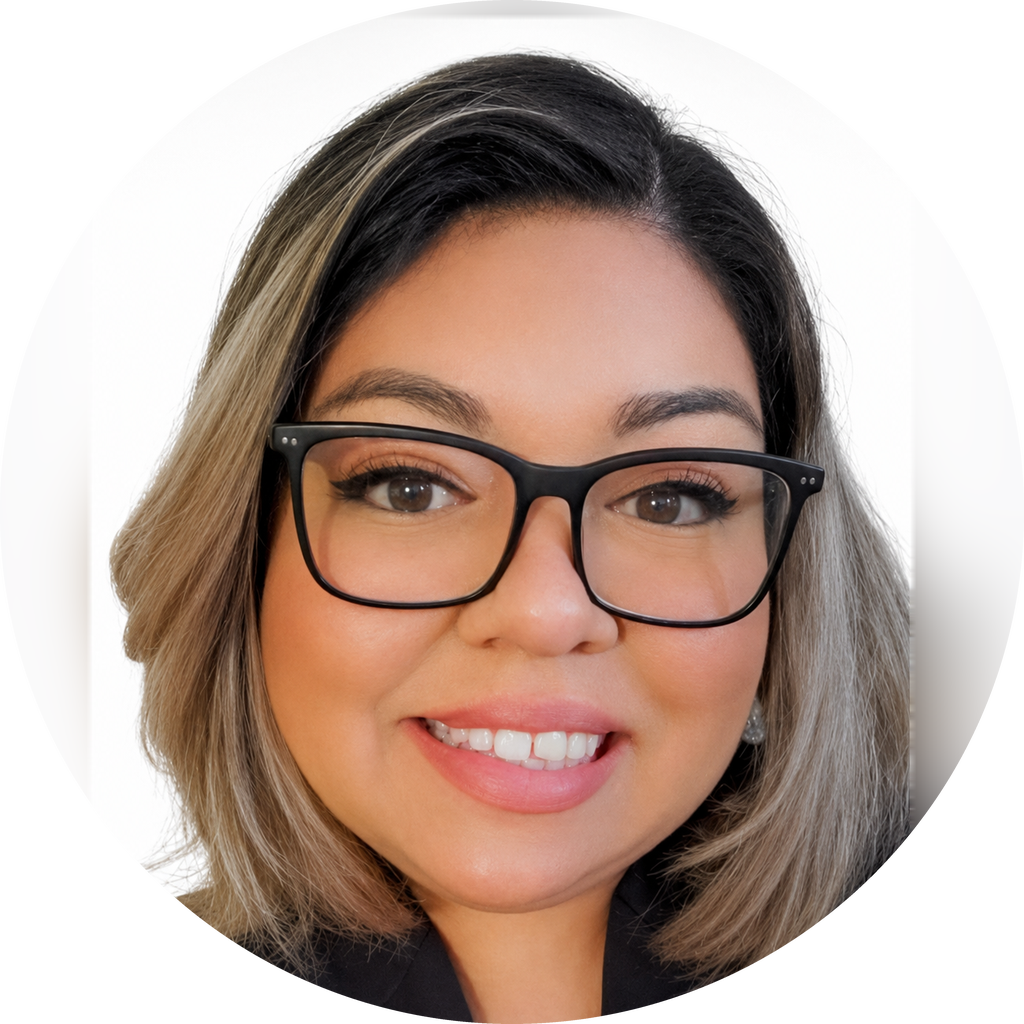
Rebeca Diaz is a Pre-Health Staff Advisor at the University of Southern California. She brings more than eight years of higher-education experience across admissions, financial aid, and student support services, plus a master’s degree in Postsecondary Administration and Student Affairs.
| Reason for Ranking: |
|---|
| Diaz ranks strongly because her advising approach is linked to holistic development across academic, personal, and professional growth. Her background in admissions, financial aid, and student-support services also gives her experience with several institutional pressures that can shape a student’s pre-health journey. She encourages students to explore varied interests while staying on track, an approach that can help prevent the pre-med pathway from becoming overly narrow or identity-consuming. |
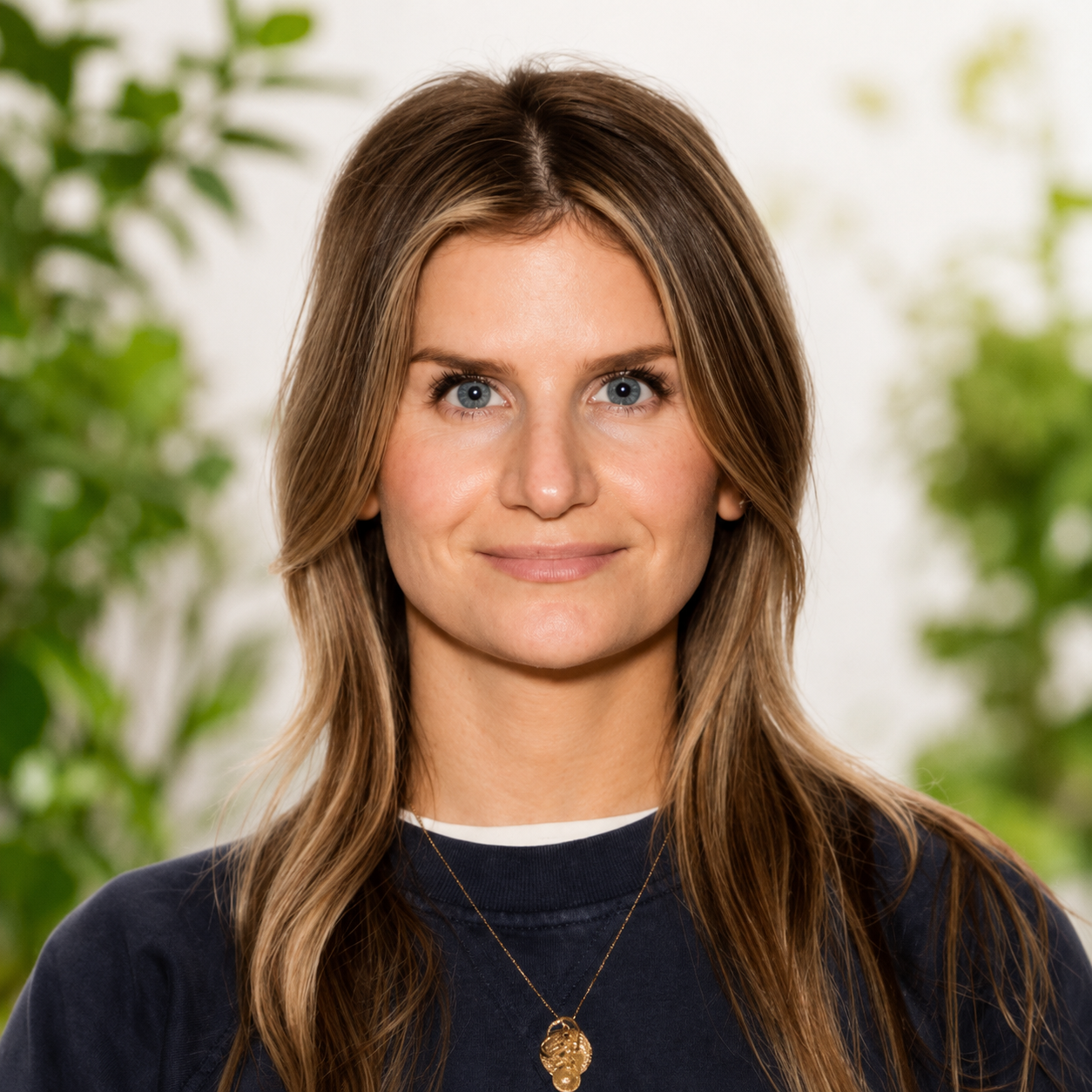
Anna Pietrzak is Associate Director of Northeastern’s PreMed and PreHealth Advising Program. Trained in sociology and student affairs counseling, she previously worked in pre-health advising at Boston University and as a success coach for an accelerated nursing program.
| Reason for Ranking: |
|---|
| Pietrzak is one of the clearest top-tier choices because her doctoral research focuses on premedical student wellness. She also holds graduate training in Student Affairs Counseling and has worked in both pre-health advising and success coaching for an accelerated nursing program. Those experiences give her a foundation in supporting students through demanding academic and professional transitions. She is dedicated to helping students discover interests and strengths while achieving academic and career goals. Her combination of counseling preparation, direct advising experience, success coaching work, and active scholarship on premedical wellness makes her an excellent addition to our list. |
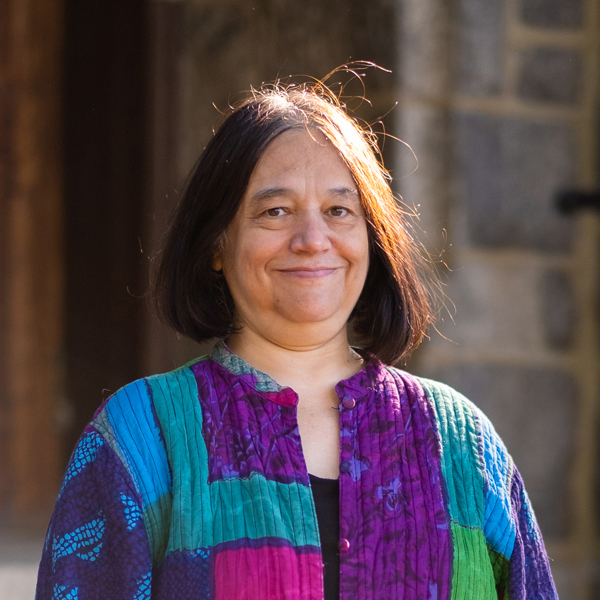
Gail Glicksman is Bryn Mawr College’s Assistant Dean for Health Professions Advising. Her career includes student-services leadership, pre-professional advising, and work at the intersection of health, ethics, faith, aging, and illness. Her training sessions are designed to strengthen advising for pre-health students with disabilities, making accessibility an important and verifiable dimension of her advising work.
| Reason for Ranking: |
|---|
| Glicksman ranks highly because accessibility is a concrete part of her published professional record. She has conducted training sessions to improve advising for pre-health students with disabilities. Her broader career spans student services, pre-professional advising, and scholarship or teaching related to health, illness, aging, faith, and ethics, giving her a wide humanistic frame for supporting future health professionals. |
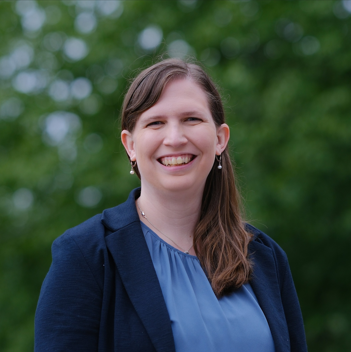
Lauren Hwang is a PreHealth Advisor at Northeastern University with a master’s degree from the Harvard Graduate School of Education. Her background spans undergraduate support, graduate admissions, K-12 education, and nonprofit work. Before joining pre-health advising, she coached college students with ADHD and learning disabilities and later helped lead Northeastern’s Learning Disabilities Program.
| Reason for Ranking: |
|---|
| Hwang ranks very highly because she has concrete evidence of disability-informed, strengths-based student support. Before joining the pre-health team, she worked as a Learning Specialist and then Assistant Director in Northeastern’s Learning Disabilities Program, coaching college students with ADHD and learning disabilities and helping them set and achieve academic goals. That experience is directly relevant to wellness, accessibility, and sustainable academic development in a demanding pre-health environment. Her background also spans student support, admissions, K-12 education, and nonprofit work, while her graduate training comes from the Harvard Graduate School of Education. |
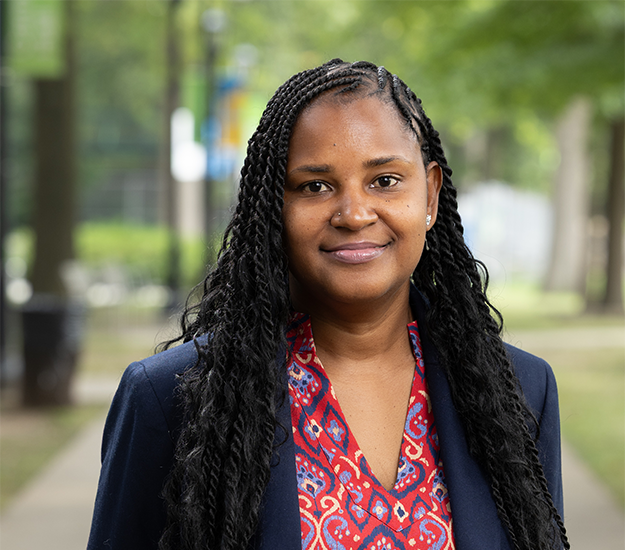
Lyda Williams is a Senior Pre-Health Advisor at Lehman College and a Lehman alumna. A first-generation college graduate with a PhD in biomedical research, she has worked as a researcher, science tutor, educational consultant, and biology instructor. She was also involved in creating programs to strengthen MCAT and medical-school preparation, alongside advising work serving students pursuing health professions.
| Reason for Ranking: |
|---|
| Williams ranks strongly because her official Lehman profile combines scientific expertise with a personal and professional commitment to helping students navigate pathways she once traveled herself. As a first-generation college graduate and Lehman alumna, she brings lived experience to an advising role serving a diverse public college population. Her background includes biomedical research, tutoring, teaching, and educational consulting, and the bio credits her with co-founding initiatives to improve MCAT and medical school success. |
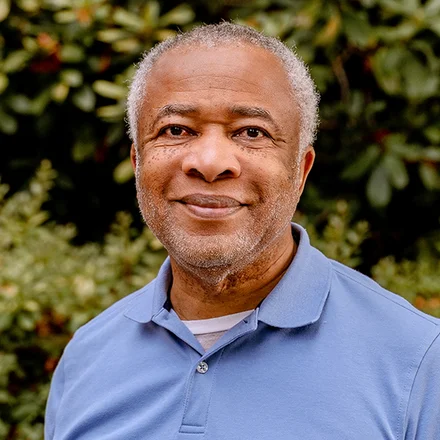
Gregory Vaughn is an Academic Advisor in Oregon State University’s College of Health. A first-generation college graduate, he has a career spanning student services, undergraduate and medical school admissions, and leadership of a STEM program serving underserved high school students.
| Reason for Ranking: |
|---|
| Vaughn’s ranking is supported by a broad record of access-oriented student support. He is a first-generation college graduate with experience in student services, undergraduate admissions, medical school admissions, and leading a STEM program for underserved high school students. That pathway gives him perspective on transitions into college, preparation for health-related opportunities, and the admissions systems students must navigate. |
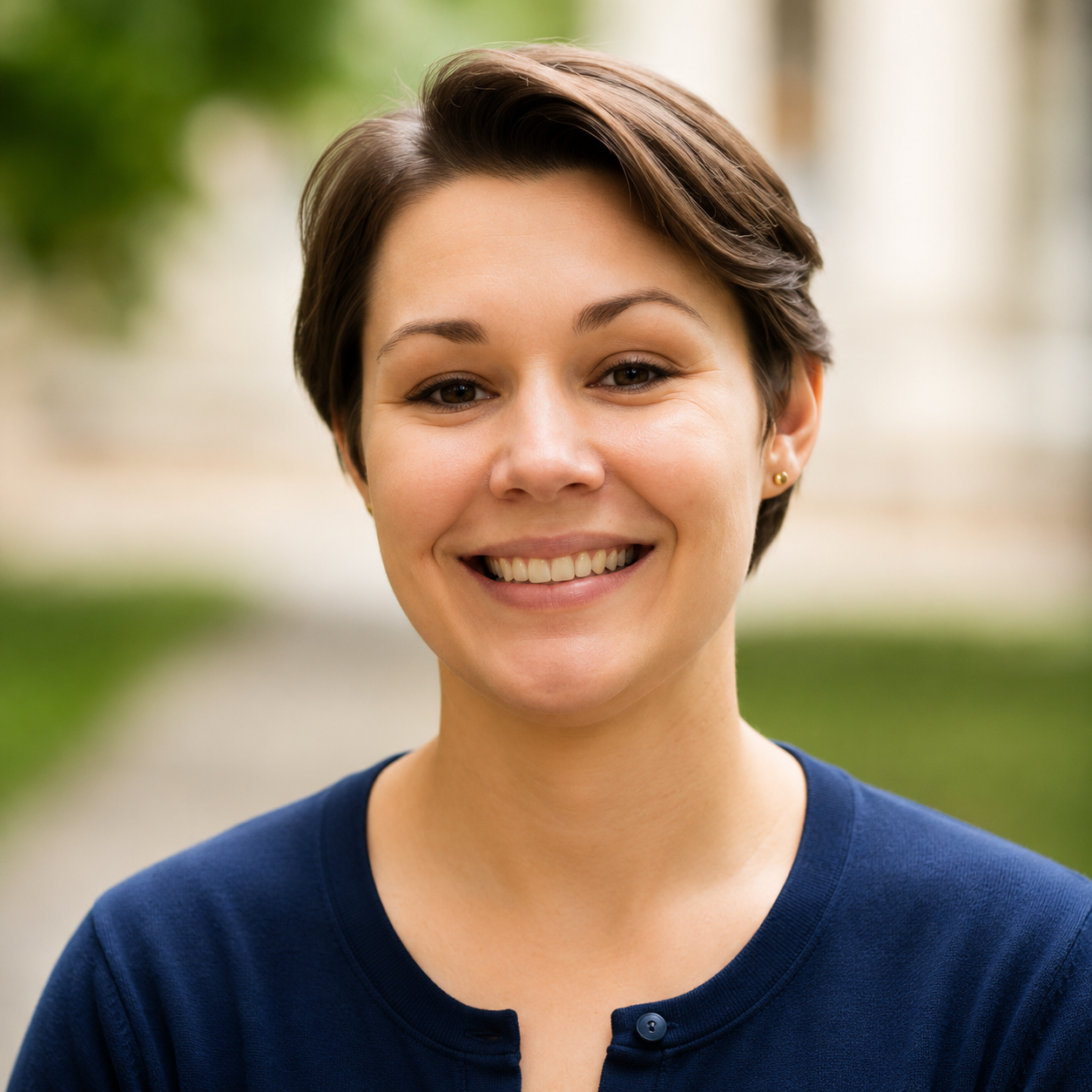
Jamie Adler is the Health Professions Advisor in Career Planning at the College of Wooster. Her background includes supporting international students at the University of Washington and helping students in France pursue study in the United States. She holds graduate training in French and international education, bringing cross-cultural student-support experience to her current work with students exploring health professions.
| Reason for Ranking: |
|---|
| Adler built a career around helping students navigate complex educational transitions across cultures and systems. Before becoming a health professions advisor, she supported international students at the University of Washington and worked with students in France seeking study opportunities in the United States. |
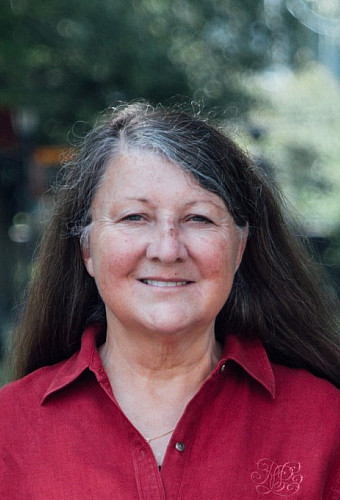
Janet Mutschler is the Pre-Health Advisor at Ursinus College. She brings more than two decades of experience with pre-health and health-professions students as a faculty member, academic advisor, and clinical education coordinator. Her background includes service on admissions committees for graduate health programs and doctoral-level study in higher education leadership, giving her guidance informed by both educational and professional program perspectives.
| Reason for Ranking: |
|---|
| Mutschler ranks highly because she has more than two decades of sustained work with pre-health and health-professions students. Her experience spans faculty teaching, academic advising, and clinical education coordination, providing a broad understanding of how students transition from college preparation to professional training. She has also served on admissions committees for two graduate health programs, which can help her give grounded guidance about readiness without relying on guesswork. |
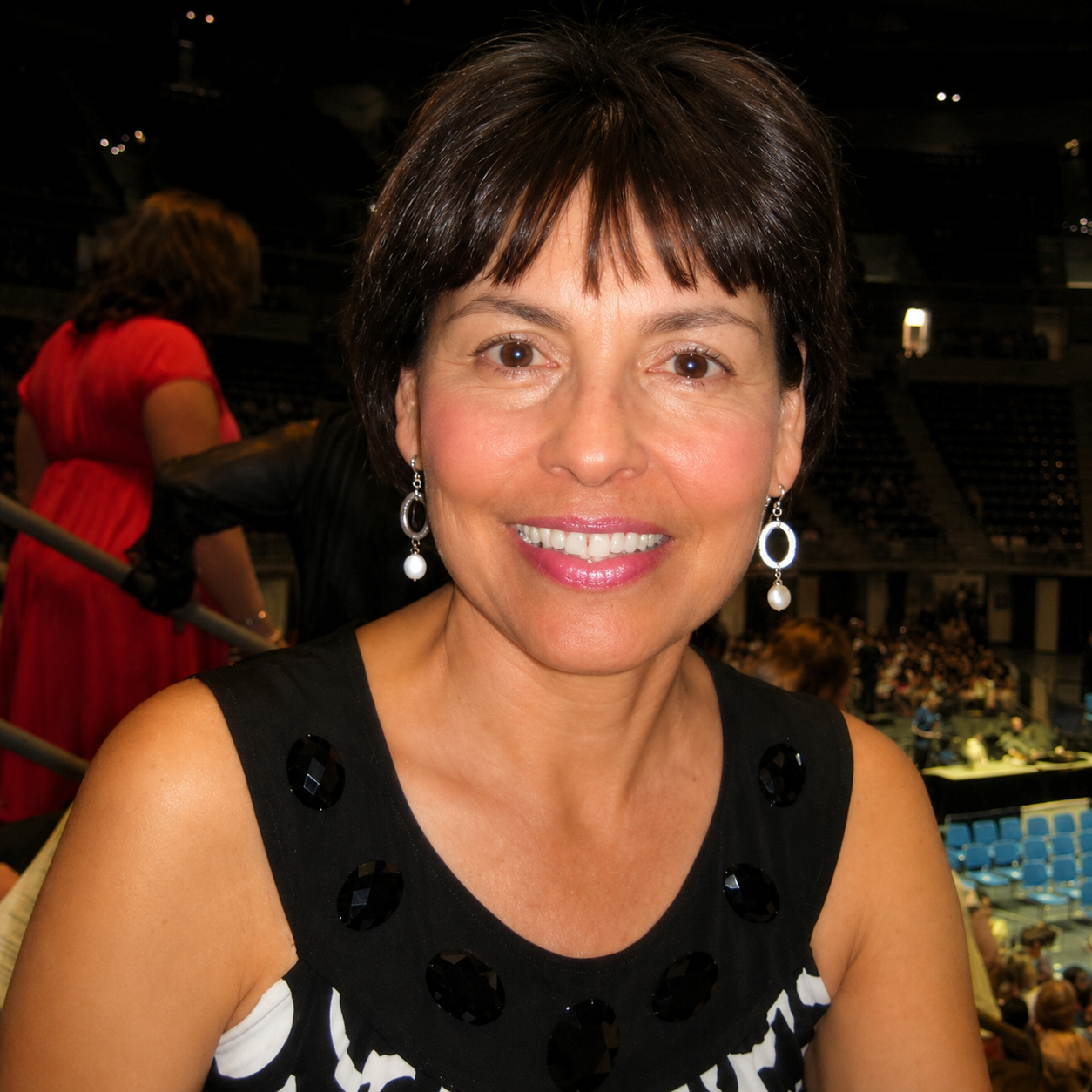
Mildred Rodríguez is Wesleyan University’s Health Professions Advisor and Program Coordinator. A first-generation college graduate, she built a career spanning biology research, clinical laboratory work, teaching, post-baccalaureate program development, and health-professions advising. At Wesleyan, she created workshops on personal statements, mock interviews, and health-professions competencies that help students reflect on their experiences and assess application readiness.
| Reason for Ranking: |
|---|
| Rodríguez ranks near the top because she uses a deeply reflective advising model shaped by her own first-generation path and decades of scientific and educational experience. She moved from research and clinical laboratory work into teaching and advising, then helped build a post-baccalaureate program before becoming a full-time health professions advisor. At Wesleyan, she developed workshops on personal statements, mock interviews, and competencies, with an explicit emphasis on helping students understand their experiences as a cohesive story. She also describes helping students think critically about whether they are ready to apply, including when waiting may be the better choice. |
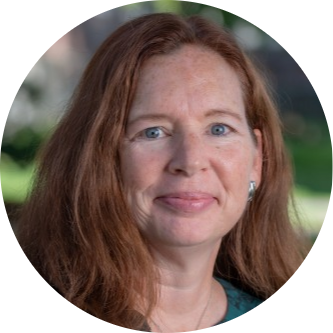
Ginger Fisher is Brown University’s Harvey A. Baker Associate Dean of the College for Preprofessional Advising and an adjunct biology faculty member. She has more than 20 years of experience advising pre-health students and has previously led a master’s program in biomedical sciences. Her education research has examined science identity, student attitudes, and sense of belonging, adding a strong developmental dimension to her advising background.
| Reason for Ranking: |
|---|
| Fisher ranks very highly because of her extensive pre-health advising experience and research on science identity and sense of belonging. Those topics are directly relevant to student wellness in competitive STEM pathways, where students may question whether they fit or belong. She brings more than 20 years of advising experience across undergraduate and graduate contexts and previously created and led a biomedical science master’s program. Her role as both an advising dean and a biology educator also gives her insight into academic culture and professional preparation. |
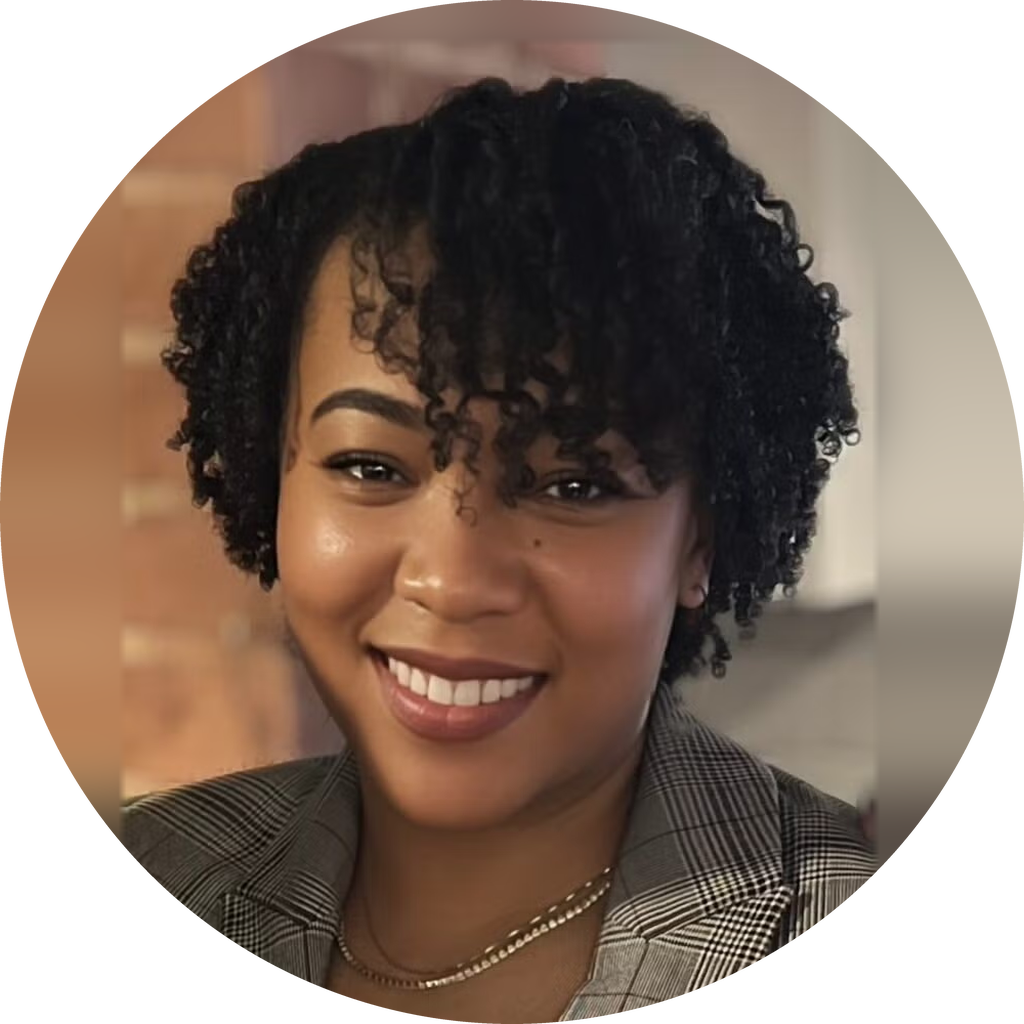
Mya Shackleford directs Health Professions Advising and Partnerships at UNC-Chapel Hill. A UNC alumna, she began supporting students through Project Uplift and peer mentoring, and has more than a decade of experience in health professions higher education. Her biography emphasizes meeting people where they are, building genuine connections, and creating pathway programs, alongside experience in admissions and national student recruitment.
| Reason for Ranking: |
|---|
| Shackleford ranks highly because she meets students where they are, using genuine connection to open doors. Her experience spans more than a decade in health-professions higher education, including admissions, recruitment, and pathway program development. She also traces her roots in student support to Project Uplift and peer mentoring at UNC, highlighting continuity between her own campus experience and her later leadership. |
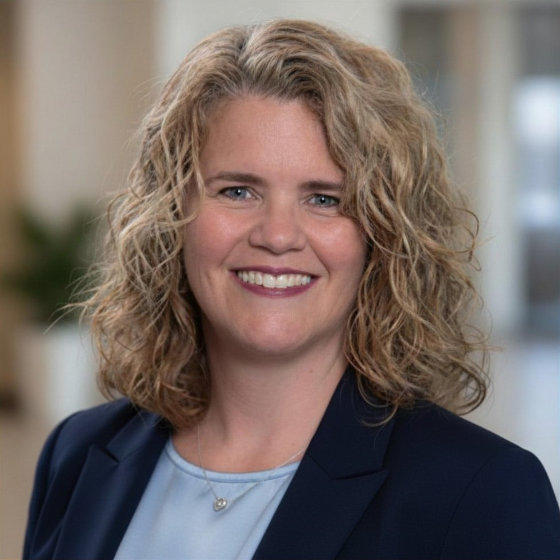
Cailín is a first-generation college graduate, with a Master's degree in Counseling. She directs the Health Professions Advising at Muhlenberg College. She uses a coaching-oriented model in which students complete a mock application across the academic year, reflect on personal stories, strengths, weaknesses, and professional competencies, and assess readiness before applying. The process combines practical application preparation with structured reflection and a longer-term view of student development.
| Reason for Ranking: |
|---|
| Cordon-Waldman ranks highly because she uses a reflective, coaching-based advising model. Students work through a mock application over time rather than facing preparation as a last-minute transaction. Assignments prompt them to consider personal stories, strengths, weaknesses, and health-professions competencies, creating structured opportunities for self-assessment. That is highly relevant to wellness because it can help students make more deliberate choices about their readiness and identity rather than simply chasing deadlines. |
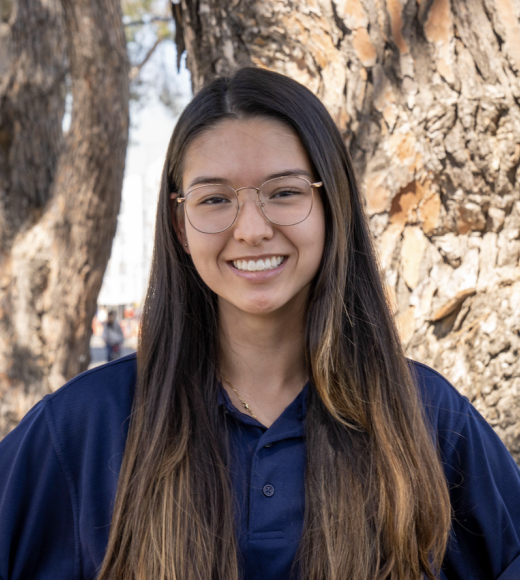
Robyn Crittendon advises UC Davis undergraduate and post-baccalaureate students across health professions. A UC Davis graduate in communication with a minor in Latin, she began with the Pre-Health Ambassador Network in 2019, moved into peer advising, and later became a staff advisor. That progression gives her direct experience with the institution’s pre-health community and with supporting students at different stages of preparation.
| Reason for Ranking: |
|---|
| Crittendon’s path from student ambassador to peer advisor to professional staff advisor shows sustained, student-facing engagement with the pre-health journey. Her experience supporting both undergraduates and post-baccalaureate students means she works with learners at different stages, including those navigating transitions or reconsidering their preparation. Her communication degree and long involvement with UC Davis HPA add relevant context, but the strongest verified basis is continuity of service within the advising community. |
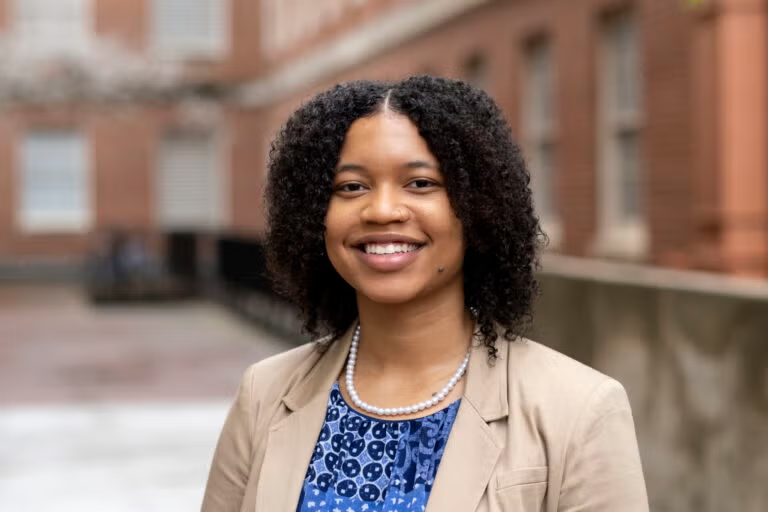
Kayela Buffaloe is a Health Professions Advisor at UNC-Chapel Hill. A UNC alumna, she studied exercise science with minors in African American and Diaspora Studies and coaching education, then earned a master’s degree in counselor education. Her professional background includes student-athlete academic success, admissions recruitment, and leadership-development programming, giving her a counseling-informed foundation for pre-health student support.
| Reason for Ranking: |
|---|
| Buffaloe ranks highly because she has formal training in counselor education and a career focused on student success. She has worked in academic support for student-athletes, admissions recruitment, and leadership-development programming before joining health professions advising. Her undergraduate studies in coaching education add another layer, while her broader academic background reflects attention to both health and social contexts. |
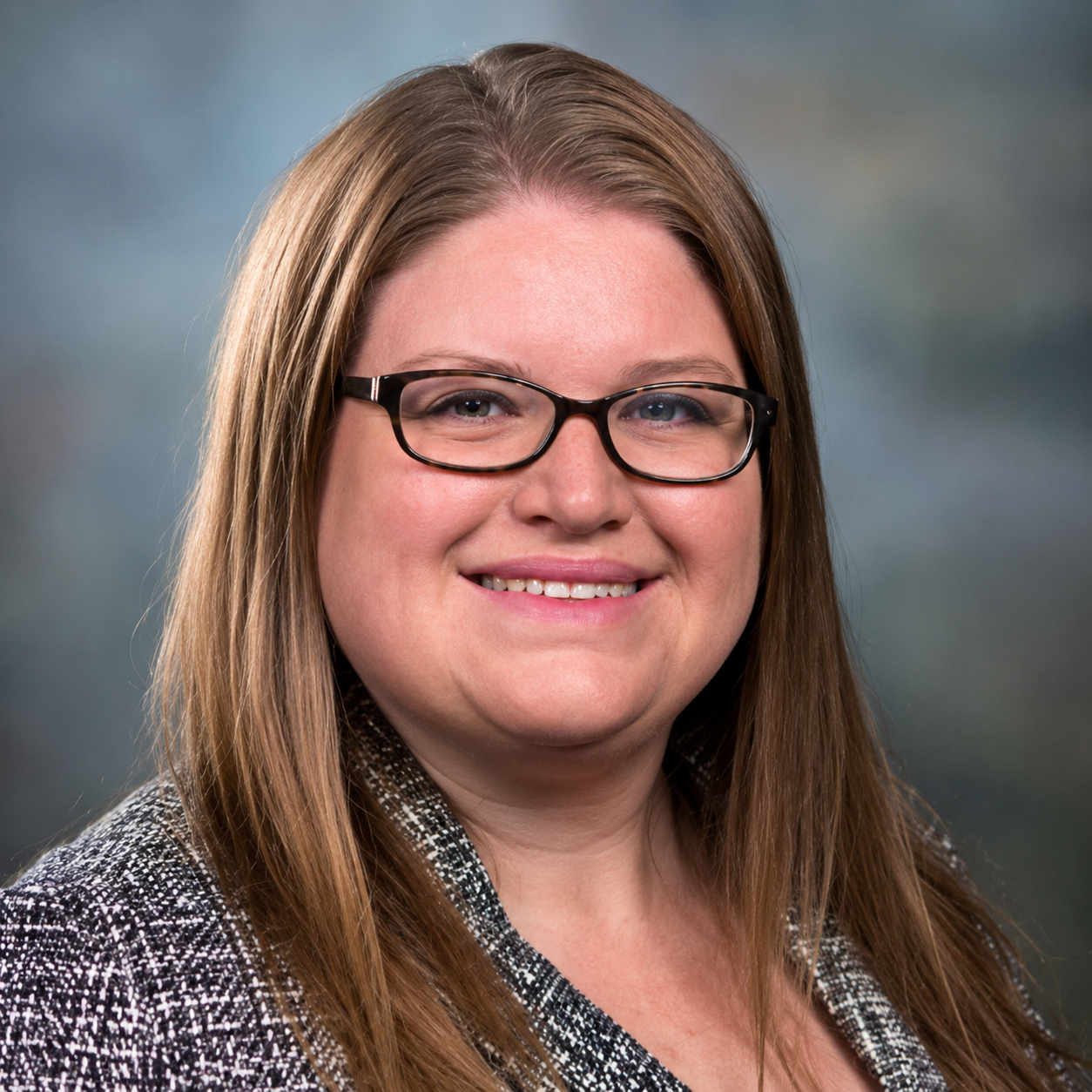
Roxanna Aguilar is the Pre-Health Advisor at the University of the Incarnate Word and has worked with health-professions students since 2009. Her focus includes pathway exploration, application mentorship, candidate evaluation, and interactive workshops. She advises several pre-health student organizations, and her research interests include first-generation college student success, health-professions preparation, and program development for specialized student populations.
| Reason for Ranking: |
|---|
| Aguilar ranks very highly because she has both pre-health expertise and research interests tied to student success. She has worked with health-professions students for over 17 years and supports pathway exploration through application mentorship, candidate evaluation, and interactive workshops. Her advising of multiple student organizations creates additional community touchpoints, while her research interests include first-generation college student success and program development for specialized student populations. Her graduate education in higher-education administration and adult learning further strengthens the developmental foundation. |
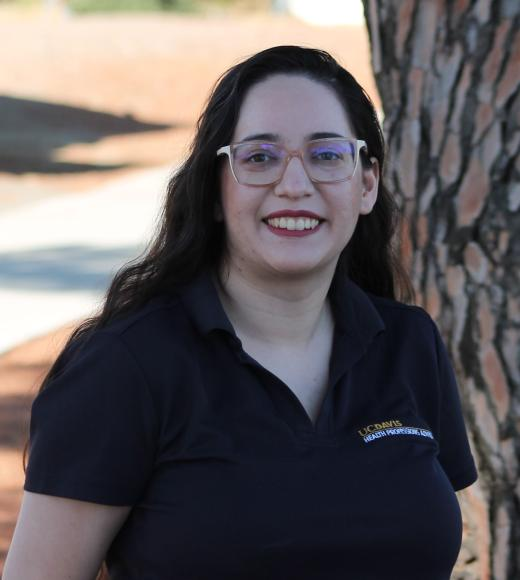
Karen Draper is a UC Davis staff advisor serving all health professions, with emphasis on application preparation and GPA concerns. A first-generation college graduate and UC Davis alumna in biochemistry and molecular biology, she has been involved with Health Professions Advising since 2016. Her philosophy centers on holistic support and helping each advisee identify next steps suited to their circumstances.
| Reason for Ranking: |
|---|
| Draper is one of the strongest fits for this list because of her wellness-oriented case. Her advising philosophy is rooted in supporting students and alumni holistically and developing plans that fit their individual circumstances. That approach is particularly relevant for pre-med students managing GPA concerns, application pressure, and uncertainty about next steps. Her own first-generation background provides additional context for a student-centered perspective, while her collaborations with El Centro and the Undocumented Student Resource Center show verified engagement with campus communities that may face distinct barriers. She also brings continuity, having joined HPA as a student in 2016 and progressed into professional advising. |
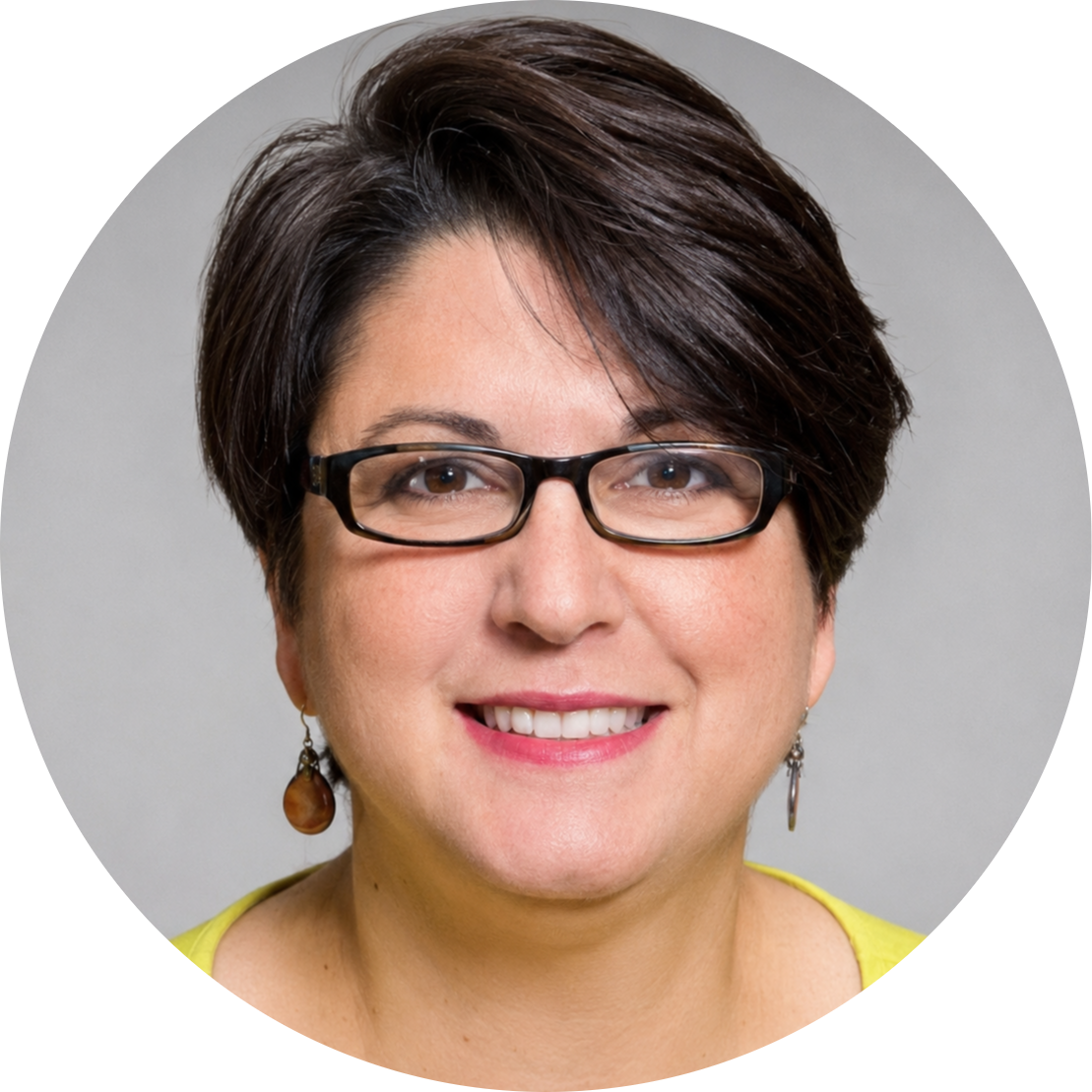
Connie Hanel is a Senior Academic Advisor specializing in prehealth at the University at Buffalo. She holds a bachelor’s degree in industrial-organizational psychology and a master’s degree in school counseling. After experience in industry and business ownership, she changed careers toward counseling and higher education. That combination gives her a counseling-informed foundation for supporting students through academic and pre-health decisions.
| Reason for Ranking: |
|---|
| Hanel ranks strongly because of her graduate training in school counseling and an intentional career transition toward counseling and student support. Her earlier background in industrial-organizational psychology, industry, and business ownership adds perspective on professional decision-making and career change, while her current specialization is pre-health advising. |
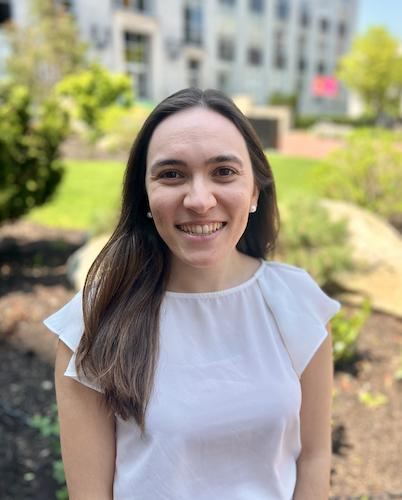
Emily Henderson is a Senior PreHealth Advisor at Northeastern University. She holds a master’s degree in Student Affairs Counseling and has focused her career on academic and pre-health advising. She is passionate about removing barriers and creating equal opportunities in education and career development, giving her advising work a clear access-oriented, student-support dimension.
| Reason for Ranking: |
|---|
| Henderson ranks highly because she combines counseling preparation with an explicit commitment to removing barriers. She holds a master’s degree in Student Affairs Counseling and has built her career in academic and pre-health advising. She is very passionate about creating equal opportunities for education and career development for all students. That is directly relevant to wellness because barriers and unequal access can intensify stress and isolation, particularly in competitive professional pathways. |
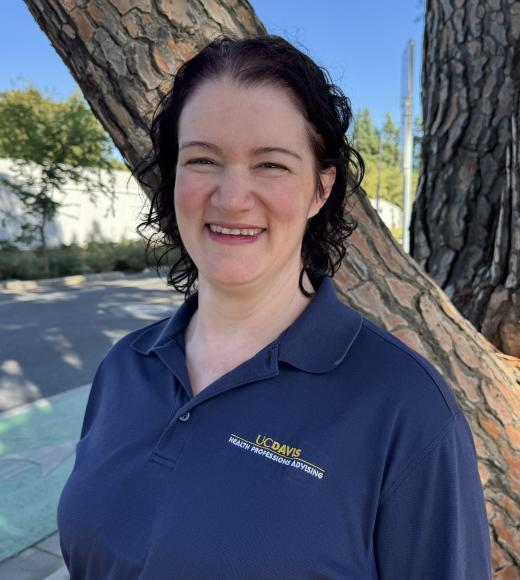
Elizabeth Barajas advises UC Davis students and alumni across health professions, with particular expertise in personal statements and other application writing. She holds a master’s in Teaching English to Speakers of Other Languages and previously taught writing, grammar, and pronunciation before serving as a Writing Specialist. Her background supports applicants who need careful, individualized help translating experiences into clear, authentic narratives.
| Reason for Ranking: |
|---|
| Barajas has substantial experience helping students with writing, including graduate and professional school application materials, and personal statements are her current advising specialty. That work can be especially valuable for students who feel uncertain about how to talk about their experiences or who benefit from structured feedback. Her earlier teaching with international students also means she has experience working across different language backgrounds. |
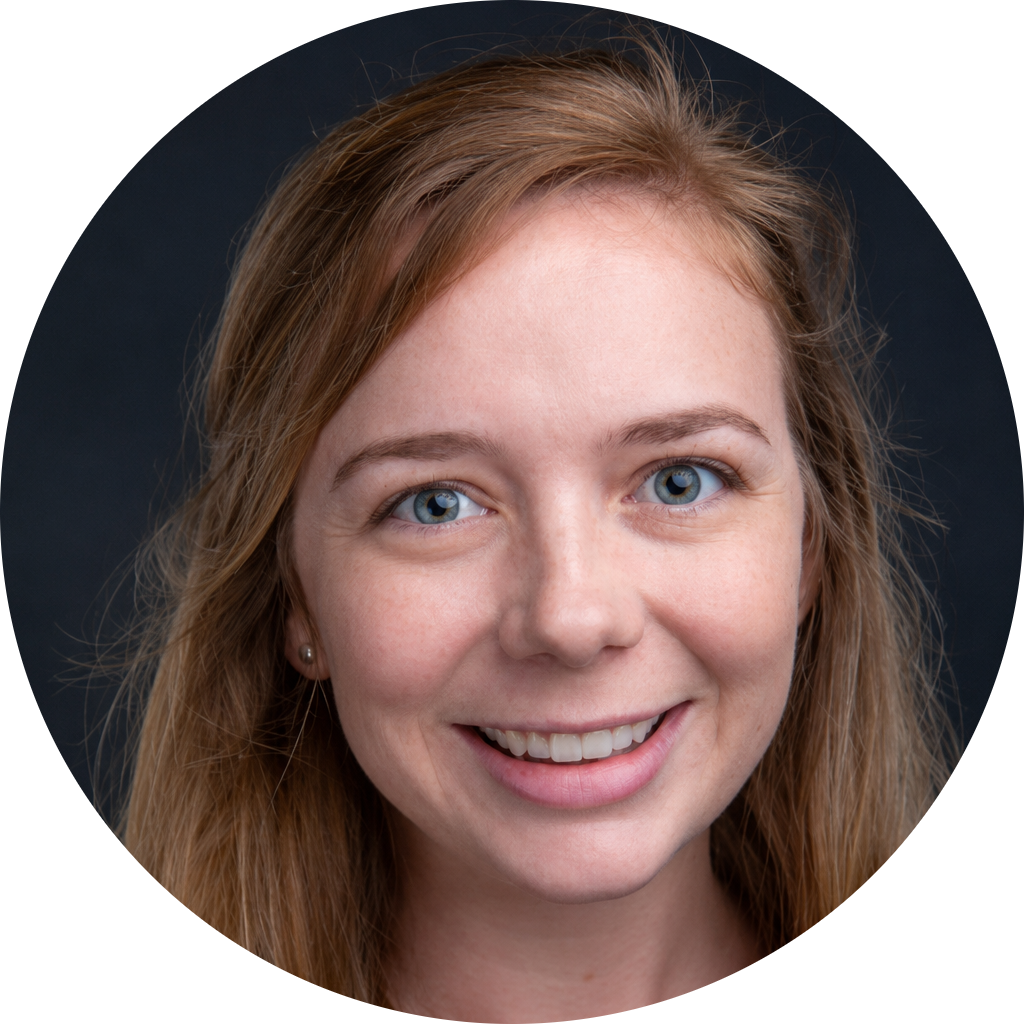
Megan LeCorgne primarily advises University of Florida students in pre-health, biology, botany, and zoology. She earned a bachelor’s degree in psychology and a master’s in Counselor Education, and her official biography notes a background in therapy. She aims to support students through the ups and downs of college while helping them discover their unique potential, making her advising approach especially relevant to student wellness.
| Reason for Ranking: |
|---|
| LeCorgne brings formal study in psychology and Counselor Education, along with a stated background in therapy, to a role that primarily serves pre-health and life-science students. Most importantly, she explicitly describes striving to support students through the “ups and downs” of college while helping them discover their unique potential. LeCorgne is recognized for counseling-informed preparation, direct work with pre-health students, and an explicit commitment to helping students navigate challenges while developing a sense of their own strengths. |

Sarah Sprinkle is a PreHealth Advisor at Northeastern University with a background spanning K-12 and higher education. She has worked as a middle-school teacher, a learning specialist for undergraduate student-athletes, and a student-conduct hearing officer. With a master’s degree in higher education, she brings experience in experiential learning, student engagement, academic support, and developmental conversations to pre-health advising.
| Reason for Ranking: |
|---|
| Sprinkle has experience supporting students in several environments where development, accountability, and academic pressure intersect. Before pre-health advising, she worked as a middle school teacher, a learning specialist for undergraduate student-athletes, and a student conduct hearing officer. Those roles can build skills in listening, goal-setting, academic support, and difficult conversations, though the ranking should not claim specific methods not stated in the source. She’s passionate about experiential learning and student engagement, both of which are relevant to helping pre-health students build meaningful pathways beyond grades. |
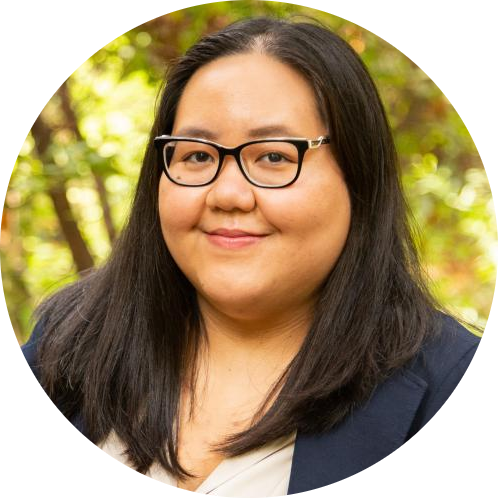
Kassy Vang serves as a Pre-Health Program Advisor at UC Davis. She studied public health and ethnic studies at UC Berkeley, mentored Southeast Asian and Hmong students, and later advised first-generation, low-income, and underrepresented high school students. Her master’s training in higher education emphasized student access and success, and her current role focuses on creating a welcoming, supportive advising environment.
| Reason for Ranking: |
|---|
| Vang connects advising with access, belonging, and a supportive student experience. Her background includes mentorship and outreach to Southeast Asian and Hmong student organizations, college-preparation work with first-generation, low-income, and underrepresented students, and graduate study focused on Student Access and Success. She is committed to fostering a welcoming and supportive environment where students feel comfortable seeking guidance. For pre-med students, comfort asking for help can matter when academic setbacks, family expectations, financial constraints, or uncertainty complicate the path. |
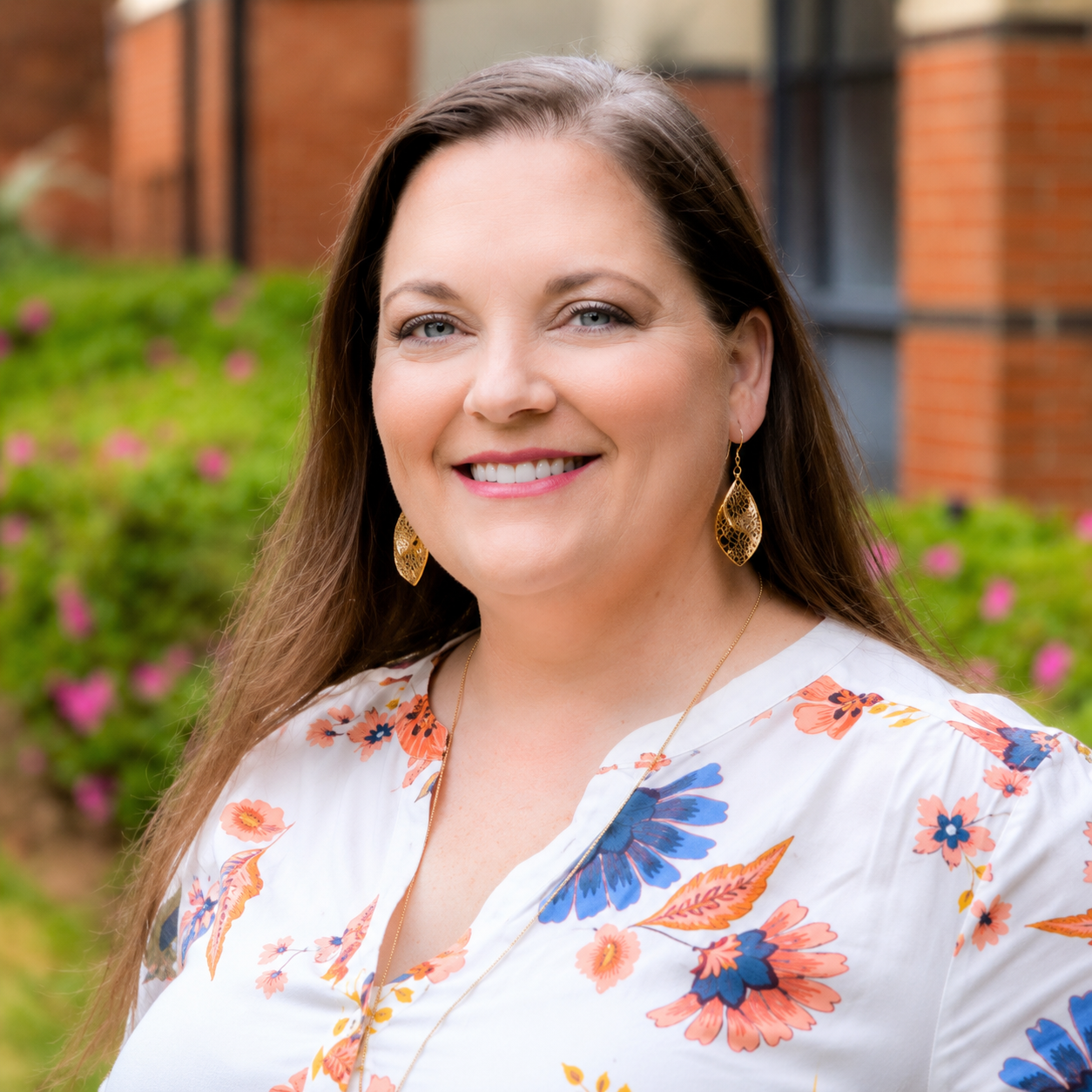
Meredith Beaupre is a Pre-Health Coordinator in the University of Florida Honors Program, offering tailored support from early career exploration through matriculation into professional school. A UF graduate with bachelor’s and master’s degrees, she has more than 10 years of experience in university student services. Her work also emphasizes connecting students with dedicated faculty and staff, and she has received recognition for her work in university and NACADA advising.
| Reason for Ranking: |
|---|
| Beaupre ranks highly due to her longitudinal, tailored support. She works with students from the initial exploration of a health career through matriculation into professional school, giving her opportunities to support them through uncertainty, planning, and transition over time. Her emphasis on developing connections among Honors students, faculty, and staff is also relevant to student wellness, as a strong support network can reduce the isolation inherent in a competitive pathway. |
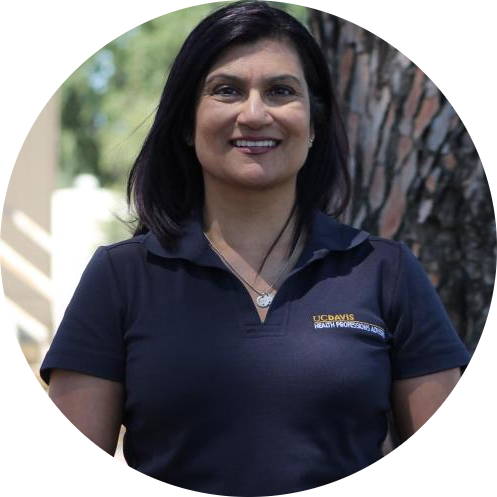
Manisha Lakhotia directs Health Professions Advising at UC Davis. A UC Davis alumna and first-generation college student, she has been with HPA since 2017 and previously worked in academic advising, pre-health advising, and career counseling at other institutions. She is also pursuing a PhD in Education and states a strong commitment to helping students and alumni reach personal, academic, and professional goals.
| Reason for Ranking: |
|---|
| Lakhotia’s experience spans academic advising, pre-health advising, and career counseling, giving her a solid foundation to help students connect educational choices to their long-term professional goals. She is also a first-generation college student and is passionate about helping students and alumni reach their personal, academic, and professional goals. As director, she also leads an office serving students across health-profession pathways. |
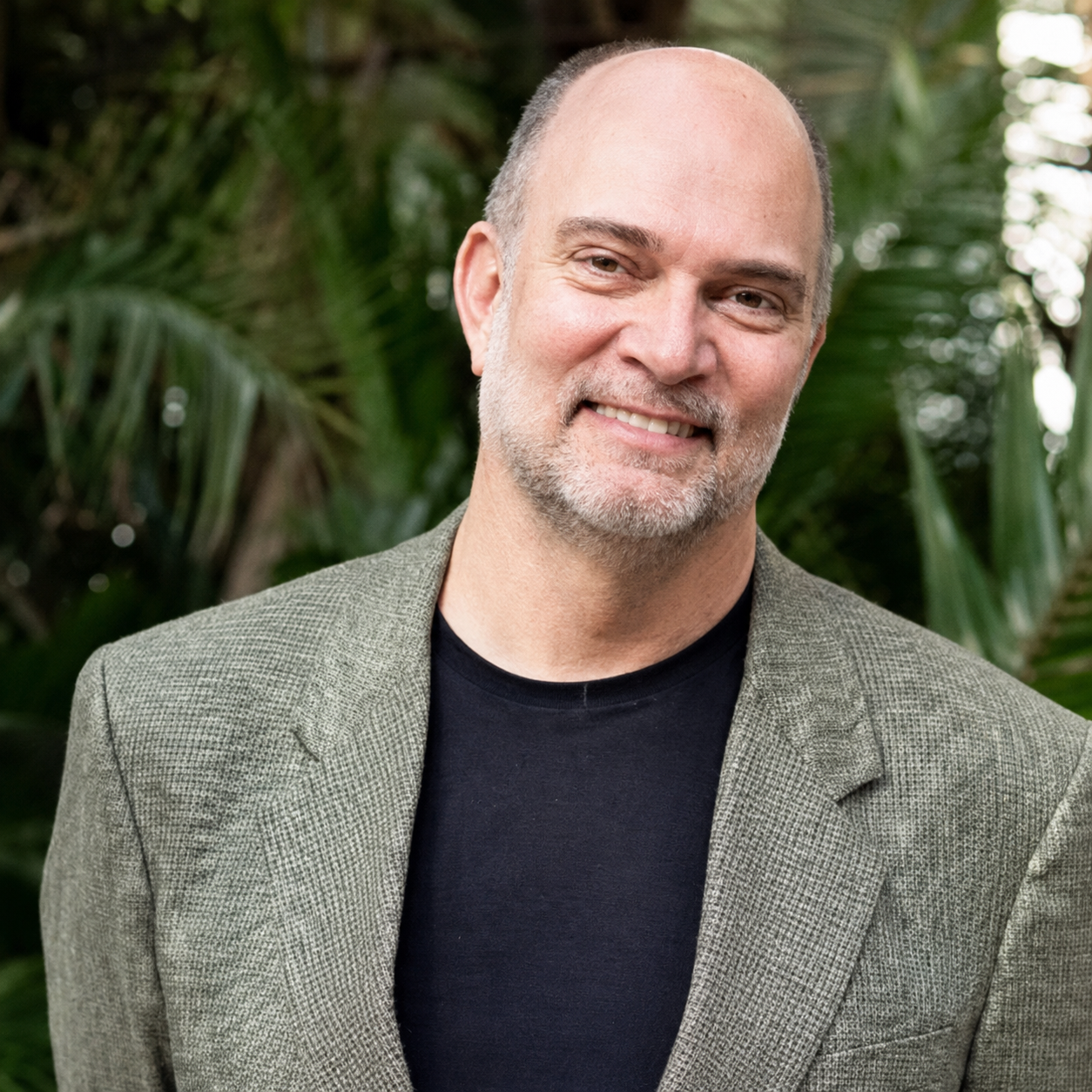
Gregg Henderschiedt is a University of Florida Honors pre-health coordinator whose areas of expertise include pre-health advising, career coaching, and wellness and school-life balance. He draws on backgrounds in mental health and career counseling, academic advising, graduate program administration, and pre-health recruitment and admissions. With more than 20 years in student services, he focuses on big-picture planning while helping students maintain life balance.
| Reason for Ranking: |
|---|
| Henderschiedt lists wellness and school/life balance among his advising areas, and he has a background in mental-health and career counseling. He also holds an M.S.Ed. in mental health counseling and brings experience in academic advising, graduate-program administration, and pre-health recruitment and admissions. His goal is to help students think big picture, maximize opportunities, and maintain life balance, an especially relevant stance in a pathway that can reward overcommitment. |
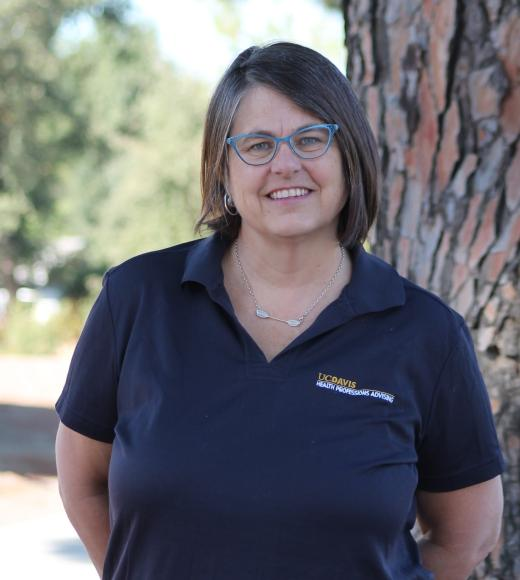
Jennifer “Jennie” Moylan is a UC Davis staff advisor for all health professions. Her interdisciplinary study of intercultural healing combined anthropology, public health, and folklore, and she later worked on Guinea Worm eradication as a Peace Corps Volunteer in Togo. With a decade of advising and experiential education work at UC Davis, she emphasizes career and self-development and the balance between challenge and support.
| Reason for Ranking: |
|---|
| Moylan links advising to self-development and seeks the right balance of challenge and support for students. Her academic background in intercultural healing examined how people make meaning of illness and healing across cultures, while her Peace Corps service connected that interest to public-health work. She then accumulated 10 years of advising and experiential-education experience at UC Davis. Moylan’s interest in cultural understandings of health, long advising tenure, and stated focus on helping students navigate make her a strong fit for this list. |
Robyn Clarke is an academic and pre-health advisor for the University of Florida College of Liberal Arts and Sciences. Before joining the pre-health team, she served as an experiential learning and career advisor at Beyond120. A double Gator with a master’s in Student Personnel in Higher Education, she emphasizes meeting students where they are and empowering them to reach goals inside and beyond the classroom.
| Reason for Ranking: |
|---|
| Clarke’s inclusion is grounded in a clearly student-centered advising philosophy. She is passionate about meeting students where they are and serving as a resource that empowers them to reach their goals both in the classroom and beyond. Her prior role in experiential learning and career advising also broadens the kinds of conversations she can bring to pre-health students, whose development often includes coursework, service, career exploration, and decisions about fit. Her graduate preparation in Student Personnel in Higher Education adds relevant professional context. |
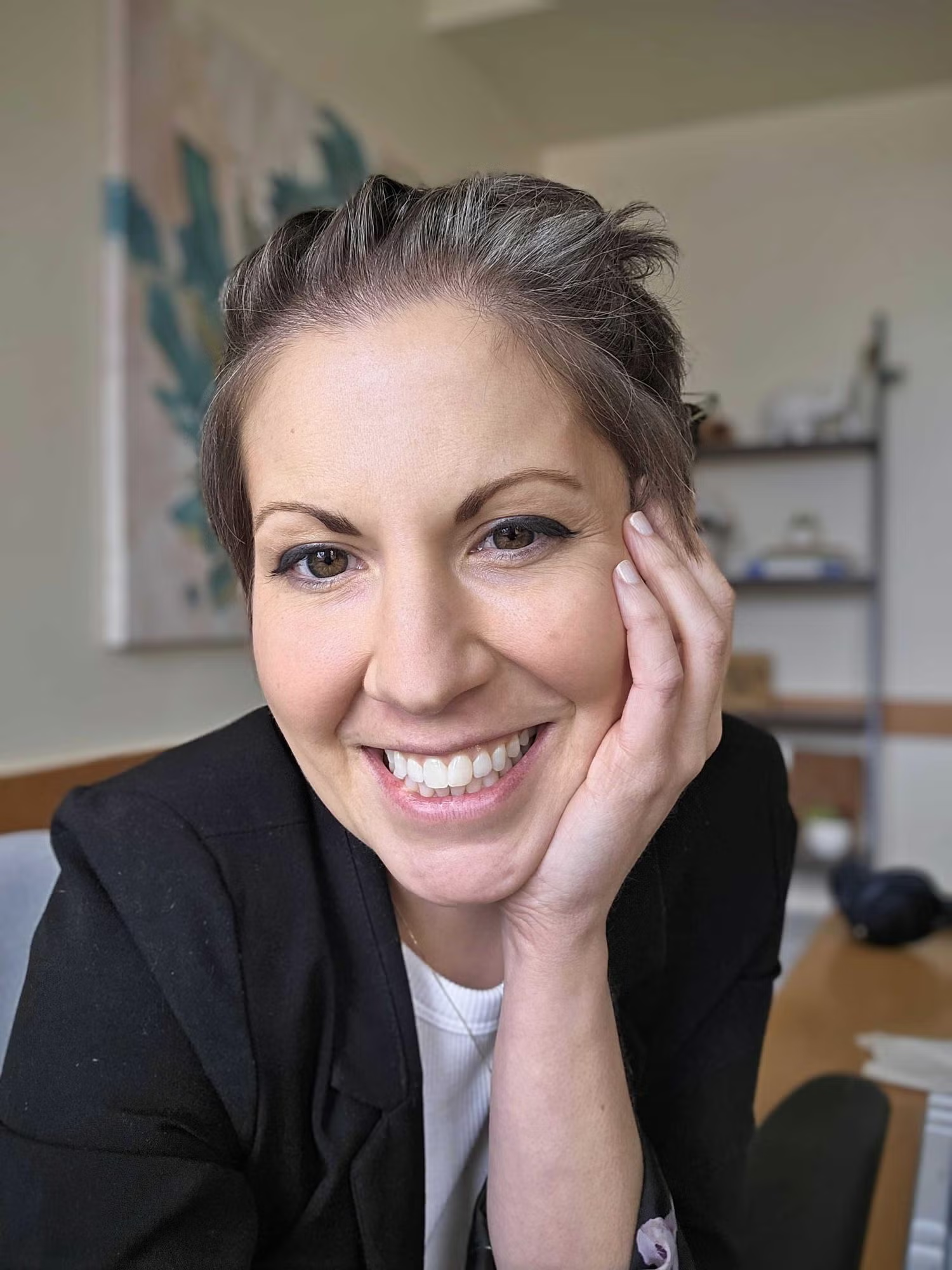
Dana Parcher directs CU Boulder’s Office of Pre-Health Advising and brings more than 16 years of advising and program-management experience. She holds a PhD in Higher Education with research on commuter students’ sense of belonging, as well as graduate training in student affairs. Her advising leadership emphasizes relationships, empowerment, personal growth, and helping future health professionals become their strongest selves.
| Reason for Ranking: |
|---|
| Parcher connects pre-health advising with belonging, personal development, and empowerment. Her doctoral research examined how physical campus spaces affect commuter students’ sense of belonging, while her graduate preparation is in Student Affairs and Higher Education. She has more than 16 years of advising and program management experience and more than eight years of managing a pre-health advising office. CU Boulder describes her goal as empowering students to be their strongest selves and helping them grow as individuals and future healthcare professionals. |

Brittany Hoover is the University of Florida College of Liberal Arts and Sciences’ Assistant Director for Pre-Health Advising. A first-generation college graduate with a master’s in Student Personnel in Higher Education, she advises students across CLAS and helps lead pre-health events, workshops, training, and professional development. Her campus service has included first-generation student initiatives, and she emphasizes helping students grow and find their passions.
| Reason for Ranking: |
|---|
| Hoover’s ranking is supported by both direct pre-health leadership and sustained work around first-generation student support. She is a first-generation college student and documents service on the Machen Florida Opportunity Scholars steering committee as well as leadership in NACADA’s First Generation College Student Advising Community. Hoover also helps run UF’s pre-health program, including events, workshops, advisor training, and professional development, giving her influence beyond individual appointments. |
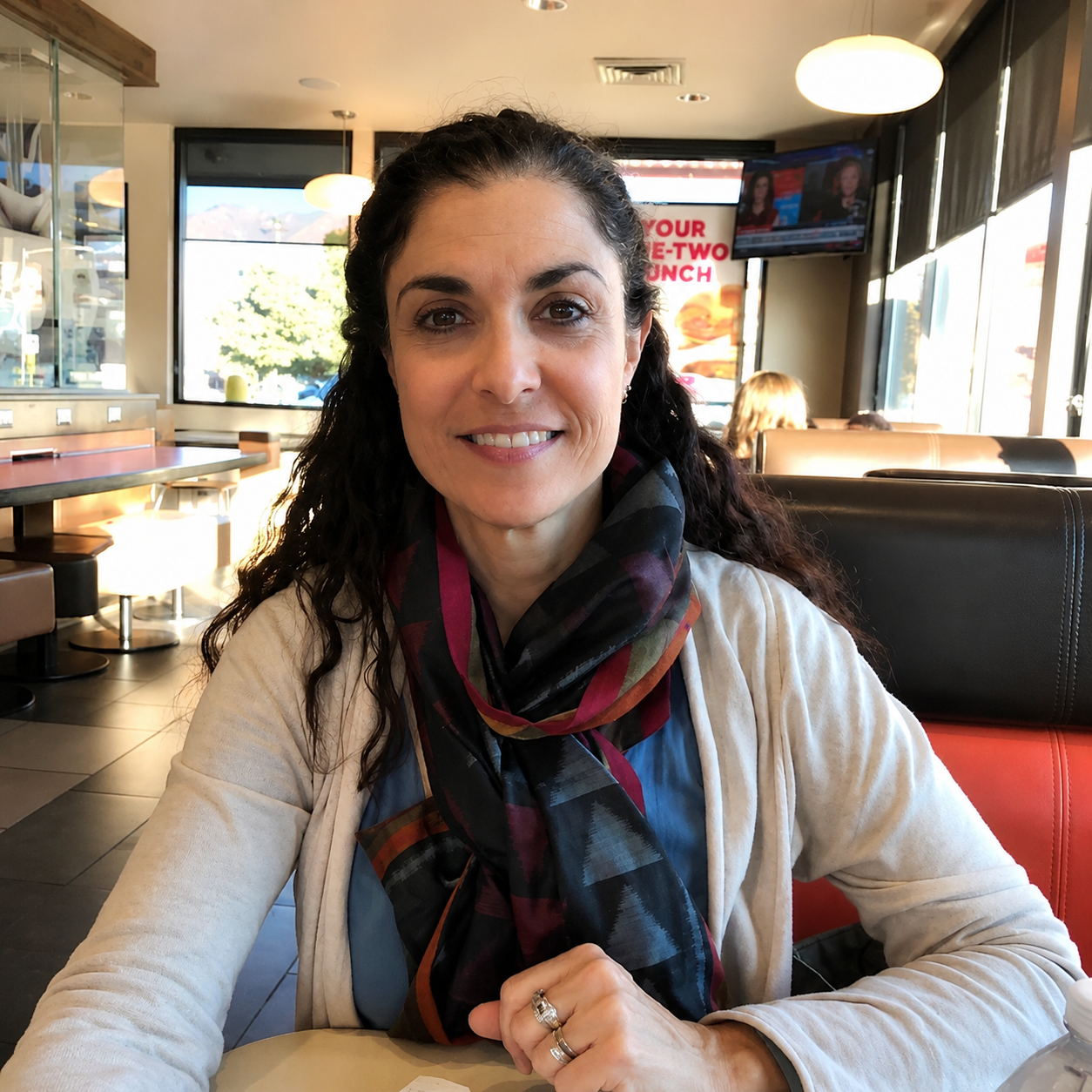
Carolyn Cottrill is a CU Boulder Pre-Health Advisor with an MD from Columbia and a bachelor’s degree in chemistry. Before joining the office, she worked with patients in clinical research and spent 13 years teaching secondary science. She emphasizes personal relationships, helping students navigate challenges and make decisions, and supporting their growth, career exploration, and preparation for health professions programs.
| Reason for Ranking: |
|---|
| Cottrill ranks strongly because her biography makes relationship-based support central to her advising approach. After medical training and clinical research work, she spent 13 years as a secondary science instructor, during which she says her favorite part of teaching was building connections and getting to know students personally. She links strong personal relationships with helping students navigate challenges, make decisions, and achieve goals. Her MD also provides her with firsthand knowledge of medical education, while her teaching background demonstrates long-term experience in student development. |

Emily Nahem is UC Berkeley’s Assistant Director for Health Careers and a pre-health careers advisor. She holds a master’s in counseling with a Career and College specialization and began her career working with undergraduates and in community mental health. Her prior role in Berkeley academic advising informs a holistic understanding of the student experience, while her current work helps students identify their passions, skills, goals, resources, and healthcare pathways.
| Reason for Ranking: |
|---|
| Nahem is an especially strong wellness-oriented choice because of her counseling preparation and early experience in community mental health. Her master’s program developed clinical counseling skills within a career-development curriculum, and she previously worked as a Berkeley Letters and Science academic advisor. She says that experience helped her understand the student experience more holistically. In her current work, she focuses on helping students discover passions, skills, and goals, understand themselves, and connect with opportunities. |
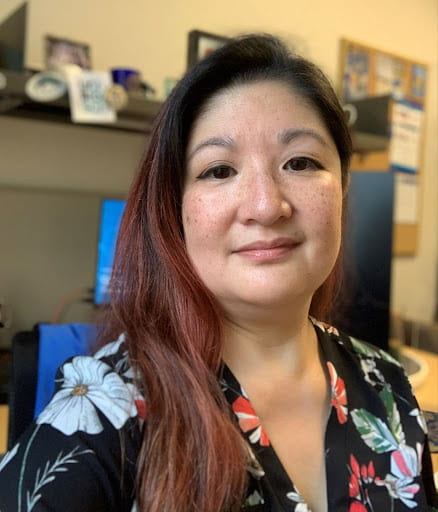
Jenna Bague-Sampson is a senior advisor in UC Irvine Biological Sciences Student Affairs with 21 years of advising experience. She helps students navigate resources, policies, academic plans, and course selection, and, as a pre-health advisor, she demystifies preparation for health professions and supports post-baccalaureate students. Her background also includes peer-advisor supervision and counseling foster youth, alongside a strong emphasis on mentoring and community support.
| Reason for Ranking: |
|---|
| Bague-Sampson earns a high ranking because of a long, multifaceted commitment to student support. Her 21-year advising career grew from experiences as a peer academic advisor and counselor for foster youth, and her current work includes academic planning, resource navigation, pre-health preparation, and support for post-baccalaureate students. She is also passionate about mentoring and encouraging students in pursuit of their goals. She advises students to build a community of support from the start of college and connects those relationships to navigating their college experience. |
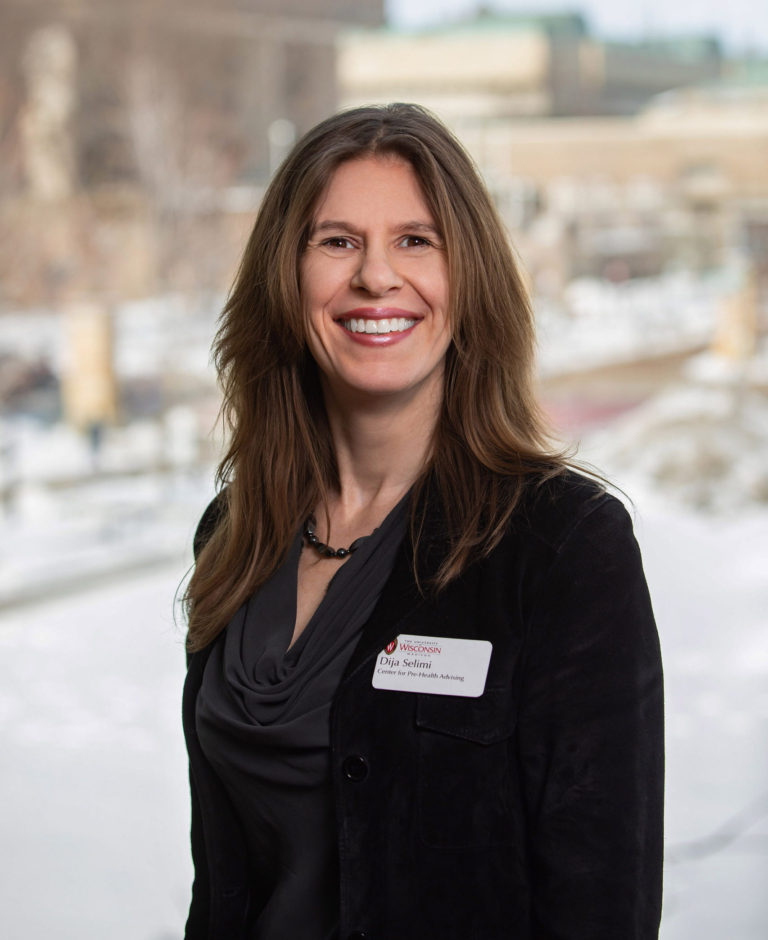
Dija Selimi is UW-Madison’s Assistant Director of Pre-Health Advising and has been with the center since its founding in 2010. A first-generation college student with a PhD in Plant Pathology, she develops application-support courses and shifted into advising to help students reach their goals.
| Reason for Ranking: |
|---|
| Selimi is a strong wellness-oriented candidate because she frames advising around transparency, learning, growth, and development. She has served with UW-Madison’s Center for Pre-Health Advising since its inception in 2010 and develops application courses that support students preparing for professional programs. As a first-generation college student who transitioned from doctoral scientific training to advising, she also brings a perspective relevant to students learning the hidden rules of professional school preparation. |
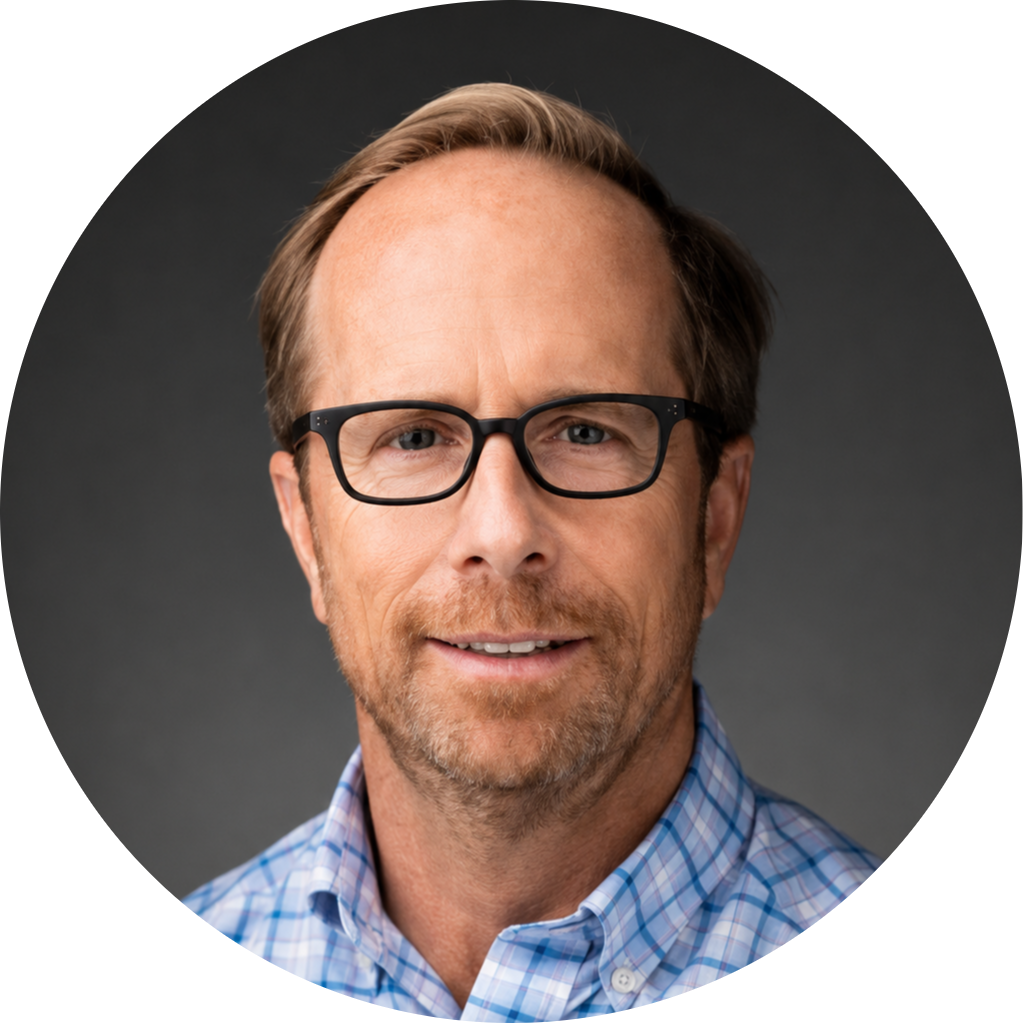
David Lawrence serves as both an L&S Academic Advisor and Health Professions Advisor at UC Santa Barbara. He holds degrees from Clemson, the University of Alaska Anchorage, and Pepperdine, and previously taught at the U.S. Air Force Academy. He is passionate about the idealism, selflessness, and collaborative spirit he sees in pre-health students, and he demonstrates an advising perspective that values community alongside competitiveness.
| Reason for Ranking: |
|---|
| In his own statement, Lawrence emphasizes the idealism, selflessness, and collaborative spirit of pre-health students and describes those qualities as inspiring. That perspective is relevant to student wellness because it validates community-minded traits that can be overshadowed by grades, testing, and admissions pressure. His dual role in general academic and health-professions advising also positions him to connect broader undergraduate planning with professional goals. Lawrence brings additional educational experience from his prior faculty work at the U.S. Air Force Academy. |
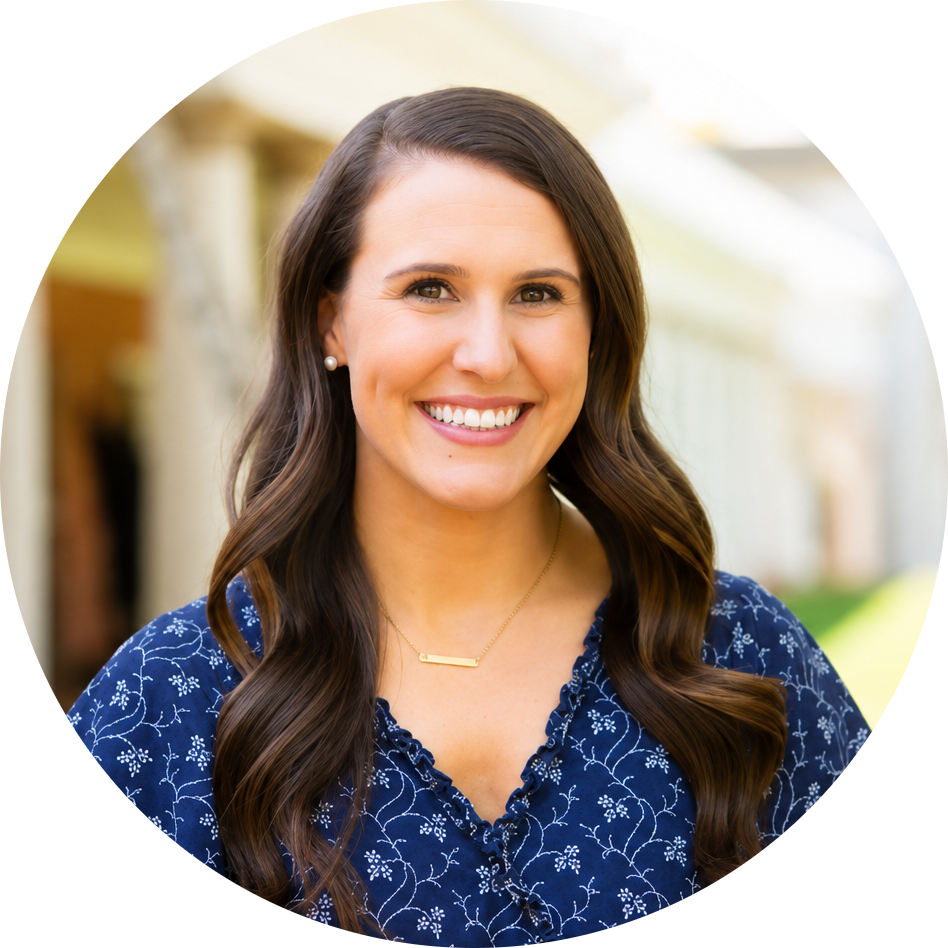
Kyle Hodges is UVA’s Senior Assistant Director of Pre-Health Advising, supporting students and alumni pursuing clinical healthcare careers. She holds a master’s in Higher Education and Student Affairs and has worked in career services throughout her career.
| Reason for Ranking: |
|---|
| Hodges ranks strongly because her advising philosophy is explicitly individualized and strengths-oriented. She believes every student has a unique path and enjoys uncovering students’ strengths as they pursue admission to health professions programs. That approach resists one-size-fits-all assumptions and creates room for students to evaluate their own experiences and capabilities. Her master’s training in Higher Education and Student Affairs and career-long work in career services provide relevant professional grounding. |
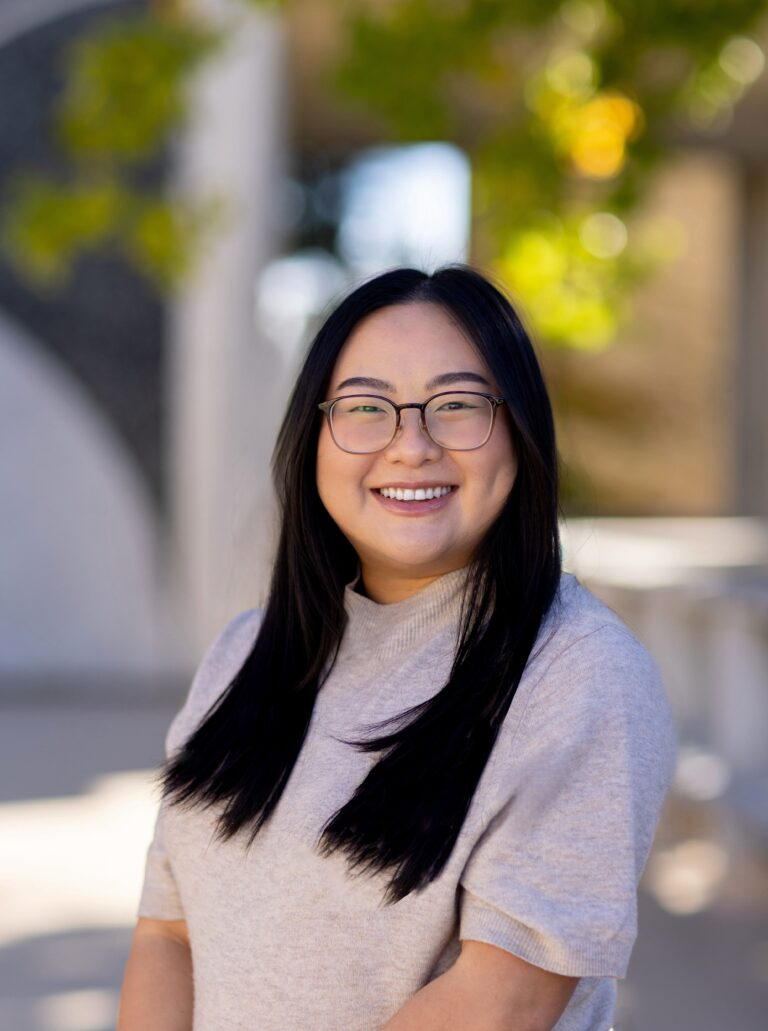
Yer Lor is a Pre-Health Advisor and Research Specialist at UW-Madison. Her background in healthcare and advocacy includes culturally specific services for immigrant and refugee communities and survivors of violence. With a degree in Communication Sciences and Disorders, she brings interests in advocacy, research, and data analysis to work aimed at fostering just and inclusive initiatives for students pursuing health professions.
| Reason for Ranking: |
|---|
| Lor ranks highly because of her community-centered experience that is directly relevant to inclusive student support. Before her pre-health work, she provided culturally specific services to immigrant and refugee populations and to survivors of violence. She is driven by advocacy, research, and data analysis in service of just and inclusive initiatives. These are excellent qualifications, especially for students whose identities or life experiences may shape their experience of the pre-health pathway. |
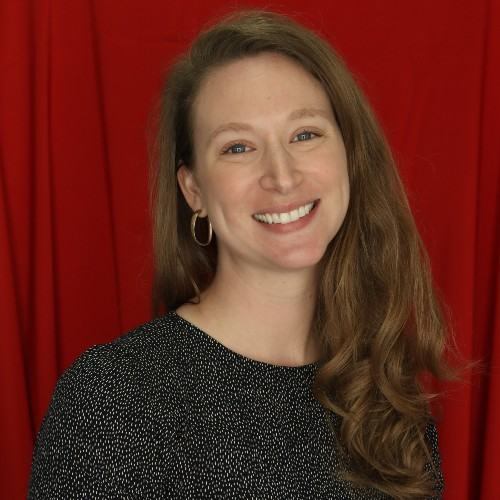
Hannah Jaegers is NC State’s Assistant Director for Pre-Health and Pre-Law Advising. She holds a master’s in Higher Education Administration and bachelor’s degrees in Women’s Studies and Sociology.
| Reason for Ranking: |
|---|
| Jaegers uses an individualized, empathy-oriented advising foundation. She directly advises students on pre-health and pre-law tracks, holds graduate training in Higher Education Administration, and has undergraduate preparation in Women’s Studies and Sociology. She identifies pre-health advising as a core area of expertise and lists Empathy, Individualization, and Communication among her top CliftonStrengths, suggesting an advising style attentive to students’ distinct needs and perspectives. |
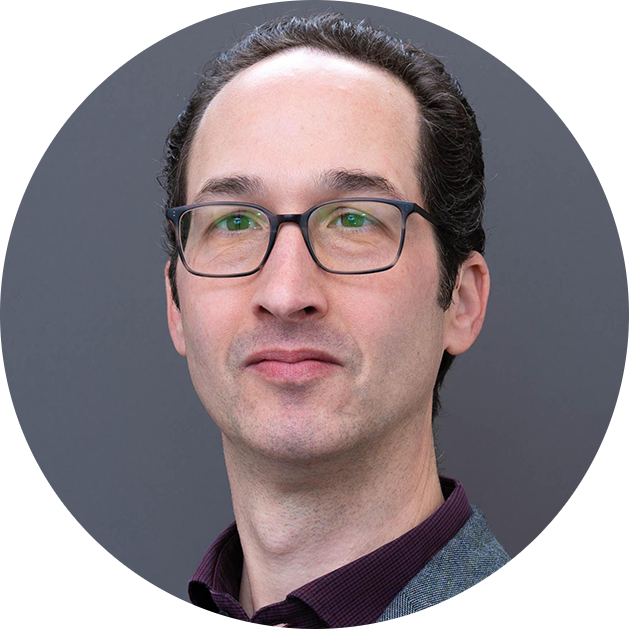
Jeremy Ingraham is a senior biology lecturer and Assistant Director of UNC Greensboro’s Pre-Health Advising Committee. His academic background spans biology and exercise science, and includes a PhD in neuroscience from Wake Forest Baptist School of Medicine. That combination gives pre-health students access to an advisor with substantial scientific and medical research training, as well as an active role in undergraduate teaching and pre-health advising.
| Reason for Ranking: |
|---|
| Ingraham plays a direct leadership role on the Pre-Health Advising Committee, holds a senior teaching position in biology, and has advanced training in exercise science and neuroscience. Those qualifications can help students connect academic preparation with the realities of scientific study and health-professions pathways. He has sustained faculty contact and informed pre-health guidance within a student’s academic environment, especially when students are navigating demanding science coursework. |
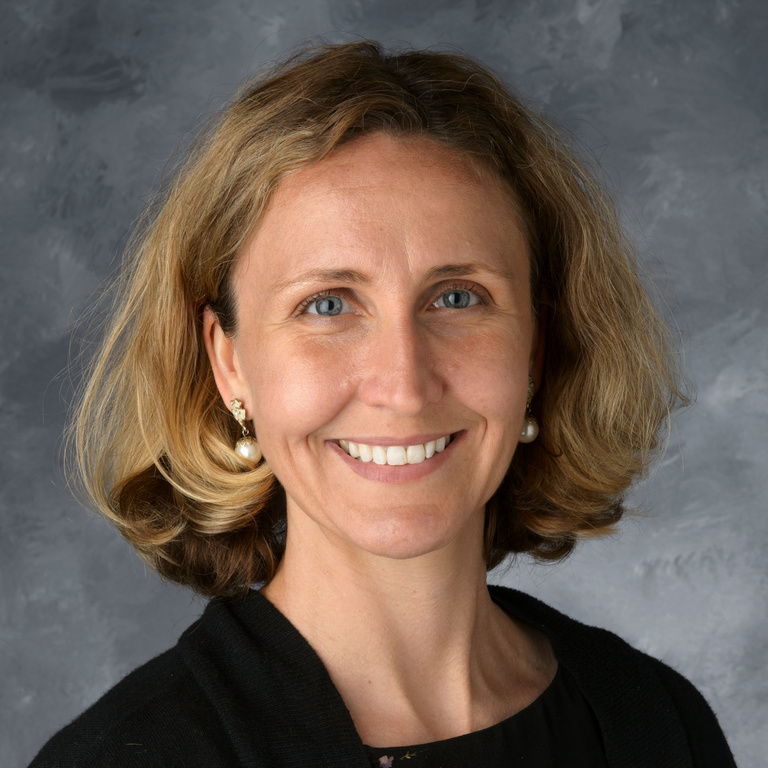
Kate Karacay is a University of Iowa Senior Academic Advisor, Pre-Health Coordinator, and administrative coordinator for the College Transition Workshop. She is responsible for both pre-health advising and college transition support. The combination of these roles places her at the intersection of professional-pathway planning and the broader adjustment work students encounter while navigating college.
| Reason for Ranking: |
|---|
| Karacay is simultaneously a Senior Academic Advisor, Pre-Health Coordinator, and administrative coordinator for the College Transition Workshop. That combination suggests responsibility for both health-professions preparation and transition-related student support. Pre-med students often face challenges related to adjustment, academic planning, and long-term professional preparation simultaneously, and Karacay’s portfolio speaks to these elements. |
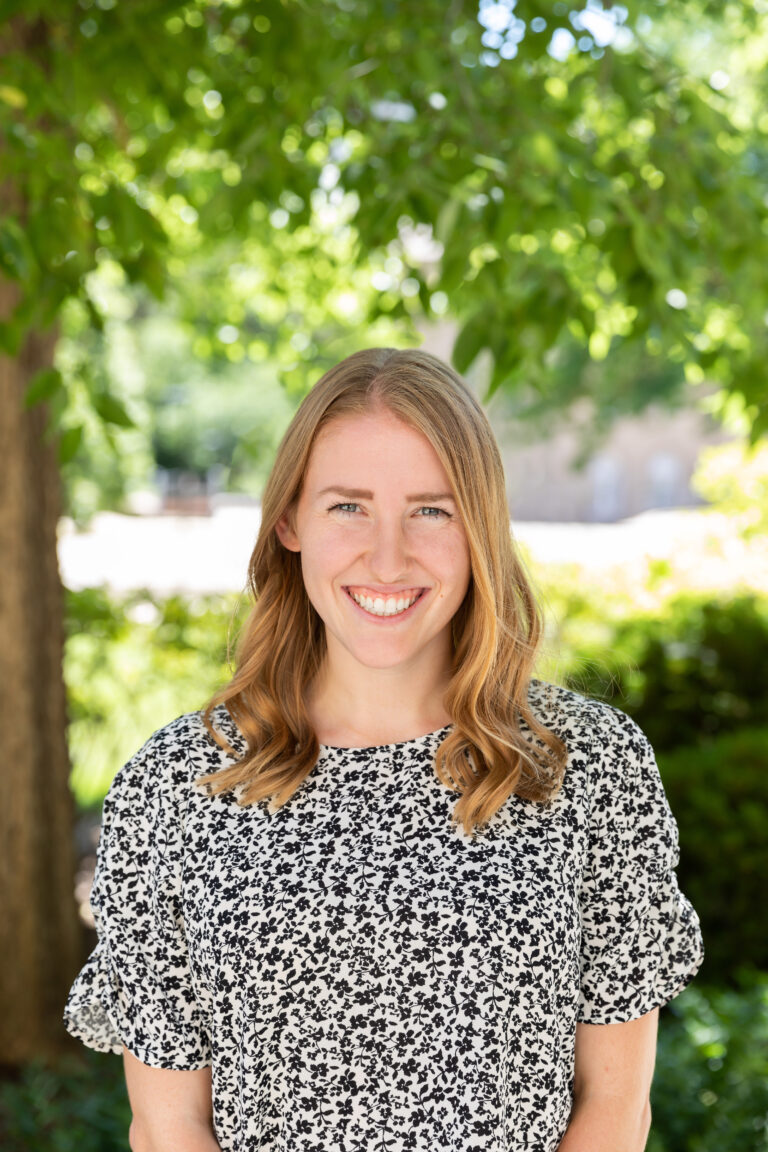
Nicole Rombach is a Pre-Health Advisor and Research Specialist at UW-Madison. She holds a bachelor’s degree in psychology and a master’s degree in Higher Education, and has experience in academic advising, as well as STEM and pre-health advising, at other institutions. Her research interests center on access and equity in graduate and professional education, adding an important systems-level perspective to individual student guidance.
| Reason for Ranking: |
|---|
| Rombach’s ranking is supported by a combination of direct advising experience and a clearly documented equity focus. She has advised STEM and pre-health students at other institutions, worked in academic advising at UW-Madison, and now serves as both a Pre-Health Advisor and Research Specialist. Her academic preparation in psychology and higher education is relevant to understanding student development, while her stated research interest in access and equity in graduate and professional education strengthens the wellness case. |
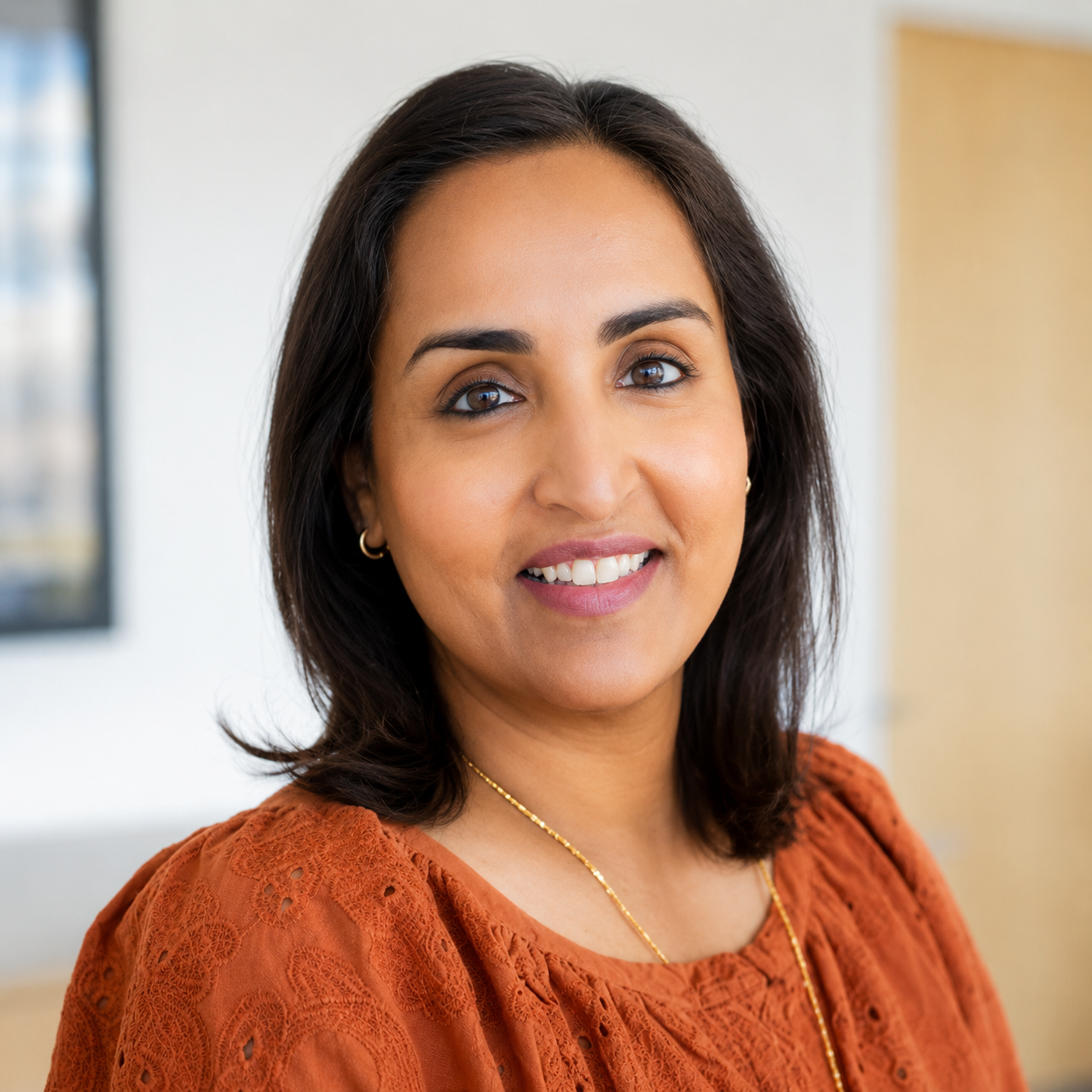
Aarti Chellakere is an Associate Director of Undergraduate Advising and one of Simmons University’s designated Pre-Health Advisors. The university’s pre-health program supports students preparing for medicine and other health professions, while Undergraduate Advising states that it partners across campus to encourage academic and personal development.
| Reason for Ranking: |
|---|
| Chellakere works with faculty, academic departments, and support staff to encourage both academic and personal development. She offers an advising structure that values personal development and cross-campus support. |
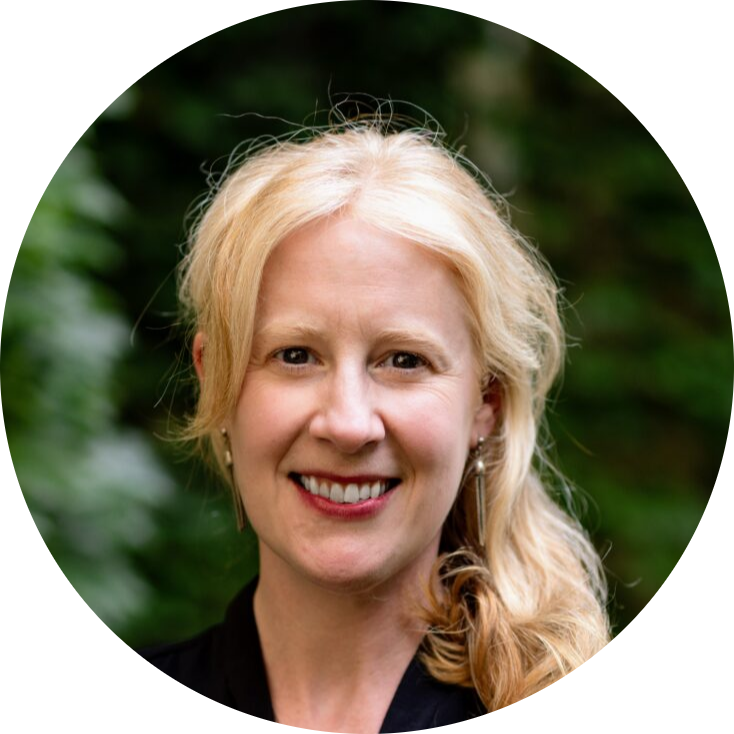
Molly Reinhard directs UW-Madison’s pre-professional advising across the Center for Pre-Health and Center for Pre-Law Advising. She has worked in university student services since 2007, with a focus on educational equity, student retention, and career and academic exploration. Her graduate degree in Cultural Foundations of Education and Community Engagement complements long-term leadership supporting students’ access, persistence, and professional decision-making.
| Reason for Ranking: |
|---|
| Reinhard ranks strongly because the wellness connection is grounded in sustained work on equity and student retention rather than inferred from a generic advising title. Her student-services career has focused on educational equity, student retention, and career and academic exploration for over 19 years. Those areas are highly relevant to pre-health well-being because persistence can be shaped by barriers, a sense of belonging, access to guidance, and the ability to explore options without feeling locked into a single path. Her graduate preparation in Cultural Foundations of Education and Community Engagement further supports a community-aware perspective. |
Jennifer Ericson is Georgetown University’s Assistant Director of Pre-Health Advising. She joined Georgetown in 2014 as an advising dean in the School of Health and moved to the Pre-Health Advising Office in 2022. A recent university feature shows her creating individualized month-by-month plans, tailoring interview preparation to students’ goals, and connecting applicants with alumni from schools they are considering.
| Reason for Ranking: |
|---|
| Ericson has specific evidence of personalized, relationship-based support. One student described how she built a step-by-step, month-by-month plan that incorporated MCAT study into his undergraduate schedule. She tailored mock interview questions to his research-oriented school list and connected him with alumni at institutions where he interviewed. Ericson also brings continuity from her earlier work as an advising dean in Georgetown’s School of Health before joining the pre-health office. |
Caroline Lux is an Academic Advisor and designated Pre-Health Advisor at Simmons University. Students may meet with her for guidance while preparing for medicine, dentistry, optometry, podiatry, veterinary medicine, physician assistant programs, and other health pathways. Simmons places pre-health advising within an undergraduate advising structure that operates across campus to support academic and personal development; the available public biography is otherwise limited.
| Reason for Ranking: |
|---|
| Lux situates her work in an Undergraduate Advising office whose stated purpose includes encouraging academic and personal development in partnership with faculty, departments, and other support staff. That institutional context is relevant to student wellness, particularly when students need coordinated help rather than isolated admissions advice. |
Mike Hill is a UW-Madison pre-health advisor and the Lead for First-Year Initiatives. He runs weekly first-year drop-in advising, oversees the Pre-Health 101 orientation, leads group workshops, and brings advising into classrooms across campus. With a PhD in history and experience in several careers before higher education, he supports both professional and life goals while making early-stage guidance more accessible.
| Reason for Ranking: |
|---|
| Hill earns a place on this list because his official role concentrates on a transition point when students can be especially vulnerable to confusion and pressure. As Lead for First Year Initiatives, he offers weekly drop-in advising specifically for first-year students, oversees a Pre-Health 101 orientation, runs group advising workshops, and visits classrooms across campus. His own varied career path, which included work as a recording engineer, property appraiser, historian, and instructor, also gives him a non-linear professional background. |
Randy Zuniga is Chapman University’s Pre-Health Advisor, serving undergraduates and alumni exploring medicine and other health professions. Chapman directs students to meet with him regularly to discuss goals, course planning, the overall college experience, application materials, and mock interviews. His role spans exploration through application support, with the university emphasizing individualized pathways based on each student’s interests and career goals.
| Reason for Ranking: |
|---|
| Zuniga is included because Chapman’s official page describes a broad, recurring advising relationship rather than one-time application troubleshooting. Students are encouraged to meet with him at least once each semester to discuss goals, class schedules, the overall college experience, application materials, and interview preparation. |
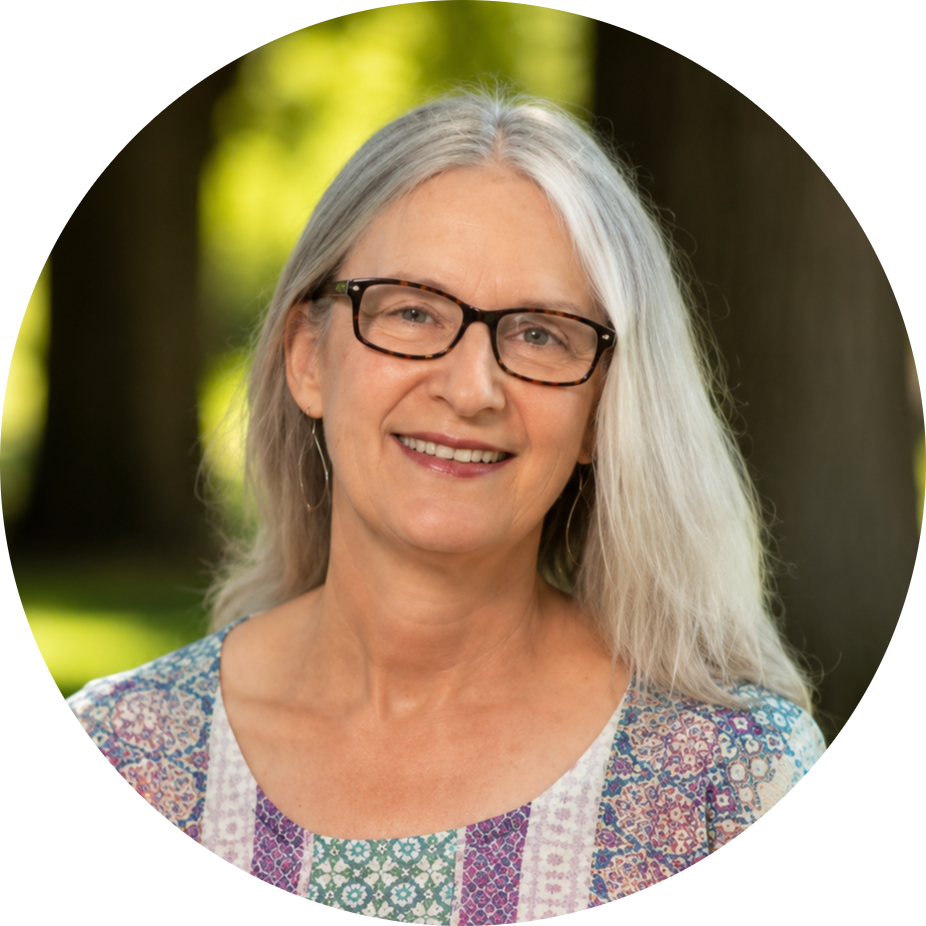
Carol Andrew is an Academic Advisor in Rutgers University-New Brunswick’s School of Environmental and Biological Sciences. She provides academic and career advising to SEBS students, with particular attention to those interested in biological sciences and health-related careers.
| Reason for Ranking: |
|---|
| Andrew provides both academic and career advising to students in the School of Environmental and Biological Sciences, particularly those interested in biological sciences and health-related careers. That dual focus is relevant for pre-med students, who often need to coordinate major requirements, science preparation, and longer-term career decisions. |

Grit Herzmann is a Pre-Health Advisor at The College of Wooster and an Associate Professor of Psychology and chair of the Neuroscience Department. Her official pre-health page confirms these roles and includes her among the college’s advising team. The combination places students in contact with an advisor whose academic work spans psychology and neuroscience while they explore and prepare for health professions.
| Reason for Ranking: |
|---|
| Herzmann provides a combination of pre-health advising and academic leadership in fields closely connected to human behavior and brain science. She is recognized for her direct pre-health responsibility and for providing students with access to faculty expertise in psychology and neuroscience. |
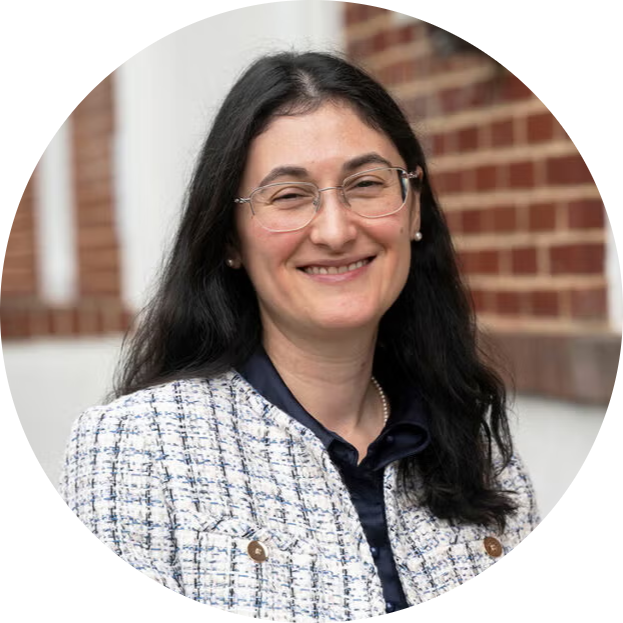
Lucy Cherner is an Assistant Director of Pre-Health Advising at Georgetown University and coordinates its Post-Baccalaureate Pre-Medical Certificate Program. She is part of a team supporting roughly 900 undergraduates, post-baccalaureate students, and alumni.
| Reason for Ranking: |
|---|
| Cherner has built resources designed to make preparation more navigable. She built a substantial Canvas resource course for pre-med students and those considering other health professions. She also works within a team whose advising begins early and continues through application and beyond graduation. |
We built this list by researching pre-health advising offices at universities across the United States and evaluating each advisor's publicly available professional profile against a set of wellness-specific criteria. Every advisor on this list holds a verifiable role in pre-health advising, and every ranking rationale ties back to information published by their institution or professional organization.
We ranked each advisor based on actionable evidence that supports their commitment to student wellness. We weighted advisors based on how many of the following criteria their profiles demonstrated:
Each advisor made the list based on verifiable actions they’ve taken to improve student wellness and make medical education more accessible for everyone.

.svg)

