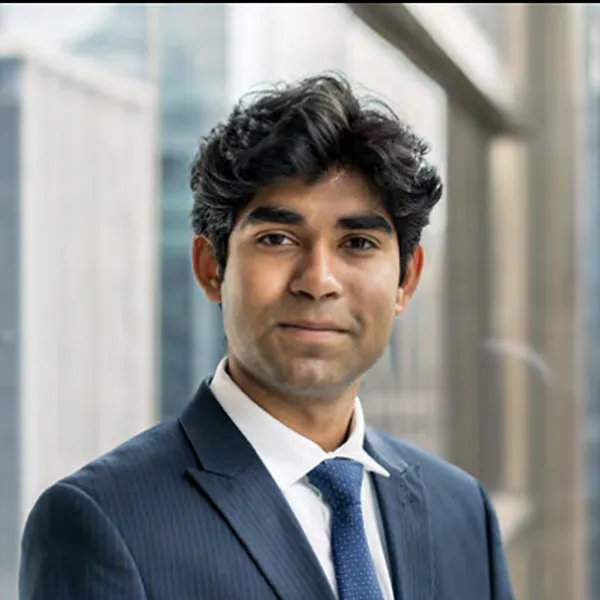
Every expert on our team has a track record of excellence in their domain
Thank you! Your submission has been received!
Oops! Something went wrong while submitting the form.
Ayush S.
Case Western Reserve University School of Medicine
Master Tutor
Before attending Case Western Reserve University School of Medicine, Ayush graduated summa cum laude from Florida State University with a Bachelor’s in cell and molecular neuroscience, a minor in chemistry, and a 3.99 GPA. He then earned a Master of Science in bioinformatics and computational biology from the University of South Florida.
View Profile
Ayush S.
Master Tutor
Admissions Experience
Undergrad
Education
Case Western Reserve University School of Medicine
Med School
Dental School
Vet School
PA School
Residency
Years of Tutoring Experience
3
Admissions Experience
Stanford University School of Medicine
Med School Attended
Stanford University School of Medicine
Residency
Stanford University School of Medicine
Admissions Experience
Case Western Reserve University School of Medicine
Education
Undergrad: Florida State University
Medical School: Case Western Reserve University School of Medicine
Before attending Case Western Reserve University School of Medicine, Ayush graduated summa cum laude from Florida State University with a Bachelor’s in cell and molecular neuroscience, a minor in chemistry, and a 3.99 GPA. He then earned a Master of Science in bioinformatics and computational biology from the University of South Florida.
Throughout his academic journey, Ayush has combined biomedical research with a passion for teaching. As a bioinformatics research analyst at Florida State University, he applied computational methods and advanced statistical techniques to answer clinically relevant questions using large genomic and patient datasets. In addition to developing computational pipelines and performing large-scale data analyses using Python, R, and Linux, he created technical tutorials and analytical workflows to train rotating PhD students and researchers. Ayush’s academic achievements have been recognized through several honors, including the Marion Jewell Hay Award, presented to the most outstanding graduating Phi Beta Kappa member at Florida State University, and the Florida State University Biological Science Faculty Award for Undergraduate Scholarship.
Ayush has contributed to research at leading academic medical centers, including Mayo Clinic and Cleveland Clinic, investigating questions in cardiovascular medicine, epidemiology, genomics, and artificial intelligence. His research has advanced the understanding of gene regulation during hypoxia, cardiovascular manifestations of hypermobile Ehlers-Danlos syndrome, and environmental factors influencing stroke mortality. His work has resulted in first-author and co-first-author research in eLife and Frontiers in Cardiovascular Medicine, co-authored research in Nature Genetics and the Journal of the American College of Cardiology, and a first-author presentation at the American Heart Association EPI|Lifestyle Scientific Sessions.
As an MCAT tutor, Ayush’s strength is his ability to teach students how to think rather than what to memorize. He helps students transform overwhelming material into intuitive, interconnected frameworks by emphasizing first principles and the physiology underlying each concept. His background in bioinformatics has taught him to identify patterns, simplify complex systems, and build logical frameworks that can be applied to unfamiliar problems. Ayush is meticulous in identifying knowledge gaps, adapting his teaching style to each student’s learning needs, and incorporating evidence-based study strategies and high-yield resources to maximize long-term retention.
Ayush’s passion for mentoring stems from the mentors who shaped his own academic journey, inspiring him to invest in teaching others through tutoring, mentoring classmates, and creating educational resources for fellow researchers. He believes effective tutoring begins by understanding how each student learns best before developing a structured plan to reinforce strengths, address knowledge gaps, and build confidence over time. Ayush encourages students to ask questions freely, reason through problems collaboratively, and leave each session with a deeper understanding of the material rather than simply the correct answer. focusing on long-term mastery instead of short-term memorization, Ayush helps students build a strong scientific foundation and become confident, independent thinkers.
Undergrad: Florida State University
Medical School: Case Western Reserve University School of Medicine
Graduate School: University of South Florida
Frank D.
University of California, San Diego
Master Tutor
Frank earned a Bachelor’s in physics with a minor in computer science from the University of California, San Diego, where he built extensive expertise in mathematics, physics, chemistry, and analytical reasoning. After achieving a top MCAT score, Frank began tutoring students, developing a passion for helping them develop confidence in their problem-solving abilities.
Frank earned a Bachelor’s in physics with a minor in computer science from the University of California, San Diego, where he built extensive expertise in mathematics, physics, chemistry, and analytical reasoning. After achieving a top MCAT score, Frank began tutoring students, developing a passion for helping them develop confidence in their problem-solving abilities.
For the past five years, Frank has conducted interdisciplinary medical AI research at Melanoscan, where he develops computer vision tools for melanoma detection and dermatologic imaging. His work has resulted in peer-reviewed publications in the European Journal of Cancer - Skin Cancer and the Dermatology Online Journal and conference presentations. These experiences have strengthened his ability to break down complex scientific concepts into clear, intuitive explanations.
As an MCAT tutor, Frank believes success comes from understanding concepts rather than memorizing facts. His teaching emphasizes identifying the underlying principles behind difficult questions, developing efficient problem-solving strategies, and building the critical reasoning skills needed to succeed on test day. Frank’s greatest strengths as a tutor are his patience, adaptability, and ability to explain difficult topics from multiple perspectives until they click. Whether reviewing foundational sciences, working through practice passages, or developing a long-term study plan, he strives to help students become independent, confident learners.
Undergrad: University of California, San Diego
Dhruv E.
University of Pittsburgh School of Medicine
Master Tutor
Before attending the University of Pittsburgh School of Medicine, Dhruv graduated summa cum laude from Nova Southeastern University with a BS in health informatics, earning a 4.0 GPA and receiving the Dean's Award for Highest Scholastic Average and Academic Achievement. Under his guidance, students have scored as high as 525 on the MCAT and improved their scores by an average of 9 points.
View Profile
Dhruv E.
Master Tutor
Admissions Experience
Undergrad
Education
University of Pittsburgh School of Medicine
Med School
Dental School
Vet School
PA School
Residency
Years of Tutoring Experience
2
Admissions Experience
Stanford University School of Medicine
Med School Attended
Stanford University School of Medicine
Residency
Stanford University School of Medicine
Admissions Experience
University of Pittsburgh School of Medicine
Education
Undergrad: Nova Southeastern University
Medical School: University of Pittsburgh School of Medicine
Before attending the University of Pittsburgh School of Medicine, Dhruv graduated summa cum laude from Nova Southeastern University with a BS in health informatics, earning a 4.0 GPA and receiving the Dean's Award for Highest Scholastic Average and Academic Achievement. Under his guidance, students have scored as high as 525 on the MCAT and improved their scores by an average of 9 points.
Dhruv's professional background spans research and clinical care. He worked as a researcher at The Ohio State University College of Medicine and at Nationwide Children's Hospital, contributing to projects in machine learning, health disparities, and pediatric neuro-oncology that have resulted in presentations and a published manuscript. He also served as a patient care assistant at a rural primary care clinic and volunteered as a crisis line operator, experiences that reflect his commitment to serving others and his ability to support individuals through high-stakes, high-pressure moments.
Dhruv specializes in MCAT preparation, with a particular strength in identifying systematic errors in students’ studying, an approach that has proven especially valuable for students retaking the exam. He builds highly personalized study plans tailored to each student's specific gaps and learning style, rather than relying on a one-size-fits-all curriculum.
As a tutor, Dhruv draws on his own MCAT prep experience and his broader background in research, clinical care, and mentorship. He is passionate about helping students navigate their own MCAT journeys, whether preparing for a first attempt or working to overcome a previous score on a retake. His personalized, strategy-driven approach is designed to help students make efficient, meaningful progress toward their goal scores.
Undergrad: Nova Southeastern University
Medical School: University of Pittsburgh School of Medicine
Kavin R.
Johns Hopkins University
Director of Tutoring
Kavin graduated from Johns Hopkins University with a double major in applied mathematics and statistics and neuroscience, along with a minor in mathematics. He scored a 525 on the MCAT, including a perfect 132 on the Chemical and Physical Foundations of Biological Systems section, and brings five years of tutoring experience to his role as an MCAT tutor.
Kavin graduated from Johns Hopkins University with a double major in applied mathematics and statistics and neuroscience, along with a minor in mathematics. He scored a 525 on the MCAT, including a perfect 132 on the Chemical and Physical Foundations of Biological Systems section, and brings five years of tutoring experience to his role as an MCAT tutor.
Kavin's professional background spans both clinical and research settings. He has worked as a clinical aide at MedStar Union Memorial Hospital and as a research associate at both the Johns Hopkins School of Medicine and the Yale School of Medicine's Department of Neurology, where he currently conducts computational neuroscience research. His work has resulted in a peer-reviewed publication in the Journal of Neural Engineering, focused on computational modeling of basal-ganglia network dynamics. This combination of hands-on clinical exposure and quantitative research gives Kavin a grounded perspective on the science that underpins the MCAT.
Kavin understands the anxiety associated with taking the MCAT, especially for students without a traditional background in biology and chemistry or those who have not yet completed all foundational science courses. Kavin has worked with learners at nearly every level, from elementary school students to pre-meds. That range has taught him to meet students where they are, tailoring his explanations and pacing to the individual rather than leaning on a one-size-fits-all script.
What sets Kavin apart as a tutor is the combination of his elite score, a quantitative background that demystifies the exam's most intimidating sections, and tutoring experience that allows him to translate his perspective into gains for his students. He believes a strong score comes from building a system: using practice materials deliberately, diagnosing the patterns behind recurring mistakes, and developing a repeatable process that reliably delivers a student's target score. Rather than treating the MCAT as a gate that separates the naturally gifted from everyone else, he sees it as a challenge any dedicated student can master with the right strategy and support.
Undergrad: Johns Hopkins University
Parmis F.
York University
Director of Tutoring
Parmis graduated from York University with a Bachelor of Science (Honours) in kinesiology and health science, earning a 4.0 GPA, multiple academic scholarships, and Dean’s List recognition throughout all four years of undergraduate study. With eight years of tutoring experience and a 99th percentile MCAT score, including a perfect score on the Psychological, Social, and Biological Foundations of Behavior section, she brings academic depth and proven teaching ability to MCAT preparation.
Parmis graduated from York University with a Bachelor of Science (Honours) in kinesiology and health science, earning a 4.0 GPA, multiple academic scholarships, and Dean’s List recognition throughout all four years of undergraduate study. With eight years of tutoring experience and a 99th percentile MCAT score, including a perfect score on the Psychological, Social, and Biological Foundations of Behavior section, she brings academic depth and proven teaching ability to MCAT preparation.
Beyond the classroom, Parmis has accumulated over 2,000 hours of biomedical research experience and is the first author of a peer-reviewed publication in the Journal of Chemical Education. Her research was supported by the Natural Sciences and Engineering Research Council of Canada (NSERC) Undergraduate Student Research Award, a prestigious national grant that funds outstanding undergraduate researchers. She is also the Founder of Project Tight Knit, a nonprofit initiative that has helped reduce social isolation among nursing home residents by coordinating the delivery of over 1,500 handwritten letters across Canada—work that was recognized with a York University Agents of Change Grant.
Parmis has worked as a leadership coach at York University and as an instructor at Kumon, where she developed her ability to break down complex material for learners at different levels. With years of tutoring experience, Parmis is passionate about helping students develop a deep understanding of the science behind the MCAT while building the critical thinking and test-taking strategies needed to excel. She believes that every student's unique academic and personal background can be used to their advantage when preparing for the exam and tailors her teaching to each individual's strengths, learning style, and goals. Her supportive and structured approach helps students build confidence and reach their full potential.
Undergrad: York University
Charlie S.
University of Chicago Pritzker School of Medicine
Director of Tutoring
Before attending the University of Chicago Pritzker School of Medicine on a full-tuition scholarship, Charlie graduated summa cum laude from the University of California, Los Angeles with a BS in psychobiology and a 4.0 GPA. She has 10 years of tutoring experience across MCAT prep, biology, chemistry, physics, mathematics, and pre-medical academics. Students who Charlie has tutored have increased their MCAT scores by an average of 8 points, with many achieving 521+ scores.
View Profile
Charlie S.
Director of Tutoring
Admissions Experience
Undergrad
Education
University of Chicago Pritzker School of Medicine
Med School
Dental School
Vet School
PA School
Residency
Years of Tutoring Experience
10
Admissions Experience
Stanford University School of Medicine
Med School Attended
Stanford University School of Medicine
Residency
Stanford University School of Medicine
Admissions Experience
University of Chicago Pritzker School of Medicine
Education
Undergrad: University of California, Los Angeles
Medical School: University of Chicago Pritzker School of Medicine
Before attending the University of Chicago Pritzker School of Medicine on a full-tuition scholarship, Charlie graduated summa cum laude from the University of California, Los Angeles with a BS in psychobiology and a 4.0 GPA. She has 10 years of tutoring experience across MCAT prep, biology, chemistry, physics, mathematics, and pre-medical academics. Students who Charlie has tutored have increased their MCAT scores by an average of 8 points, with many achieving 521+ scores.
Charlie’s path to medicine has been shaped by her deep interest in neuroscience, surgery, and translational research. Before medical school, she conducted neuroscience research at UCLA and UCSF, where she developed a strong foundation in scientific thinking, communication, and mentorship. At the University of Chicago, she conducts neurosurgery research, with projects spanning neuro-oncology and craniofacial surgery. Her neuro-oncology work focuses on glioblastoma and novel therapeutic strategies, while her craniofacial surgery research integrates basic science, computational imaging, and clinical outcomes research. She is also the recipient of the Alpha Omega Alpha Carolyn L. Kuckein Student Research Fellowship in Neurosurgical Oncology, supporting her work in translational cancer research.
In addition to tutoring and research, Charlie has experience supporting students through admissions and academic planning. She has helped students gain acceptance to medical schools at UC Berkeley, UCLA, UC San Diego, Cornell University, Yale University, NYU, Tufts University, and Georgetown University. Whether she is helping a student build a study plan, master difficult MCAT concepts, or communicate their experiences with authenticity, Charlie aims to provide the structure, encouragement, and honest feedback students need to succeed.
As an MCAT tutor, Charlie’s greatest strengths are her approachability, empathy, and ability to make challenging material feel manageable. She believes that strong tutoring goes beyond reviewing content; it requires understanding each student’s goals, learning style, strengths, and insecurities. Her approach is collaborative and individualized, helping students build stronger test-taking strategies, deeper content mastery, and greater confidence in their own abilities. Charlie has tutored students across many academic stages, including middle school, high school, college, and medical school applicants.
Undergrad: University of California, Los Angeles
Medical School: University of Chicago Pritzker School of Medicine
Vikram C.
Medical College of Wisconsin
Master Tutor
Before attending the Medical College of Wisconsin, Vikram graduated summa cum laude and as valedictorian of Claremont McKenna College, where he earned a BA in neuroscience with honors and completed a data science sequence. He received the Outstanding Major in the Department of Natural Sciences Award, graduating with a 4.0 GPA and earning a top MCAT score.
Before attending the Medical College of Wisconsin, Vikram graduated summa cum laude and as valedictorian of Claremont McKenna College, where he earned a BA in neuroscience with honors and completed a data science sequence. He received the Outstanding Major in the Department of Natural Sciences Award, graduating with a 4.0 GPA and earning a top MCAT score.
Vikram brings a diverse background in research, clinical medicine, and education to his work as an MCAT tutor. He completed his senior thesis at the University of California, San Francisco, investigating the role of TBK1 in regulating neuronal autophagy in amyotrophic lateral sclerosis (ALS), and he previously conducted cancer immunotherapy research at City of Hope focused on CAR T cell therapies. At the Medical College of Wisconsin, Vikram is involved in cancer outcomes research focused on developing machine learning models for electronic tumor biomarkers, combining clinical medicine with data science. His work has been presented at regional and national scientific meetings, reflecting his commitment to advancing medical research.
Vikram's path into tutoring began during his undergraduate years, when he served as a teaching assistant for an organic chemistry laboratory in the W.M. Keck Science Department and mentored students ranging from elementary school through college. He also worked as an emergency department medical scribe and patient care coordinator at Pomona Valley Hospital Medical Center, gaining firsthand clinical exposure that now informs the way he contextualizes MCAT content for students. With four years of tutoring experience, Vikram has developed a teaching style that emphasizes encouragement, individualized support, and meeting students where they are.
Having earned a top MCAT score through self-study, Vikram understands the challenges of preparing for the exam independently and has experience integrating a range of resources into personalized study plans. He believes the best learning environments are built on empathy and mutual respect, and he tailors each session to a student's individual learning style and goals. Rather than taking a one-size-fits-all approach, he focuses on strengthening content knowledge, critical thinking skills, and test-taking strategies while building the confidence students need to succeed on exam day.
Undergrad: Claremont McKenna College
Medical School: Medical College of Wisconsin
Sharanya S.
Icahn School of Medicine at Mount Sinai
Master Tutor
Before attending the Icahn School of Medicine at Mount Sinai, Sharanya graduated magna cum laude with department honors from the University of California San Diego, where she earned a BS in molecular and cell biology. Sharanya has been tutoring for three years, drawing on her experience as an undergraduate writing tutor at the Teaching + Learning Commons at UC San Diego.
View Profile
Sharanya S.
Master Tutor
Admissions Experience
Undergrad
Education
Icahn School of Medicine at Mount Sinai
Med School
Dental School
Vet School
PA School
Residency
Years of Tutoring Experience
3
Admissions Experience
Stanford University School of Medicine
Med School Attended
Stanford University School of Medicine
Residency
Stanford University School of Medicine
Admissions Experience
Icahn School of Medicine at Mount Sinai
Education
Undergrad: University of California San Diego
Medical School: Icahn School of Medicine at Mount Sinai
Before attending the Icahn School of Medicine at Mount Sinai, Sharanya graduated magna cum laude with department honors from the University of California San Diego, where she earned a BS in molecular and cell biology. Sharanya has been tutoring for three years, drawing on her experience as an undergraduate writing tutor at the Teaching + Learning Commons at UC San Diego.
During college, Sharanya conducted type 2 diabetes research through UC San Diego Health and was awarded the Maryam Ahmadian Memorial Summer Fellowship in metabolic research, through which she completed a departmental honors thesis. Her research earned 1st place in the poster presentation category at the UC San Diego Biological Research Showcase. She was also extensively involved in leadership roles at UC San Diego's undergraduate biological sciences research journal, Saltman Quarterly, where she served as Co-Editor-in-Chief and Executive Editor. After graduation, Sharanya worked as a medical assistant in family medicine before conducting public health research in India as a Fulbright scholar.
Sharanya spent three years as an undergraduate writing consultant at UC San Diego's Teaching + Learning Commons, where she worked one-on-one with students on college-level academic writing and graduate school applications, designed and facilitated writing-strategy workshops, and led campus initiatives to expand access to writing support across student resource centers. Through that experience, Sharanya observed that the biggest barrier to student improvement was often not content knowledge but confidence in one's own reasoning.
As an MCAT tutor, Sharanya's philosophy centers on helping students develop both practical strategies and the self-assurance to tackle challenging problems. She aims to reframe the MCAT as a learnable exam with predictable patterns that can be mastered through effective strategies recognizing recurring AAMC logic. Sharanya works closely with each student to develop a personalized study plan that fits their goals, prevents burnout, and emphasizes consistency. She believes that sustainable study habits are the foundation of lasting score improvement. Her approach is compassionate and supportive, helping students build the discipline and resilience needed to reach their target scores.
Undergrad: University of California San Diego
Medical School: Icahn School of Medicine at Mount Sinai
Dr. Tae H.
Oregon Health & Science University School of Medicine
Director of Tutoring
After graduating from Yale University, Dr. Ha spent three years working on primate research in an effort to help develop an AIDS vaccine through the Bill and Melinda Gates Foundation. He became an alumni interviewer at Yale, and his passion for mentorship transitioned into helping students at various stages in their academic careers successfully progress to the next level of education. In addition to his extensive tutoring experience, Dr. Ha specializes in medical school admissions and has helped students gain acceptance to healthcare-related internships and research programs.
View Profile
Dr. Tae H.
Director of Tutoring
Admissions Experience
Undergrad
Education
Oregon Health & Science University School of Medicine
Med School
Dental School
Vet School
PA School
Residency
Years of Tutoring Experience
20
Admissions Experience
Stanford University School of Medicine
Med School Attended
Stanford University School of Medicine
Residency
Stanford University School of Medicine
Admissions Experience
Oregon Health & Science University School of Medicine
Education
Undergrad: Yale University
Medical School: Oregon Health & Science University School of Medicine
After graduating from Yale University, Dr. Ha spent three years working on primate research in an effort to help develop an AIDS vaccine through the Bill and Melinda Gates Foundation. He became an alumni interviewer at Yale, and his passion for mentorship transitioned into helping students at various stages in their academic careers successfully progress to the next level of education. In addition to his extensive tutoring experience, Dr. Ha specializes in medical school admissions and has helped students gain acceptance to healthcare-related internships and research programs.
Dr. Ha has worked as a private tutor for the last eight years. With 20 years of tutoring experience, Dr. Ha specializes in tutoring college-level human anatomy, physiology, general chemistry, organic chemistry, biochemistry, and biology. Students he has tutored have consistently demonstrated improvement in their scores, with many achieving 515+ scores on the MCAT.
Dr. Ha’s academic and professional background reflects a lifelong commitment to rigorous learning. As an MCAT tutor, Dr. Ha’s strengths lie in his ability to draw on a comprehensive education across the sciences and mathematics to make challenging material more approachable. He specializes in the Chemical and Physical Foundations of Biological Systems and Biological and Biochemical Foundations of Living Systems sections of the MCAT. Dr. Ha focuses on helping students strengthen foundational knowledge, connect concepts across disciplines, and develop more effective approaches to complex problems.
Dr. Ha’s passion for tutoring comes from his belief that his comprehensive education and experience can help students reach ambitious academic and professional goals. Drawing on his own path to medicine, he understands how demanding each new stage can be. He aims to share the lessons and strategies he has gained throughout that journey so students can approach difficult goals with greater clarity, confidence, and direction. Above all, Dr. Ha is passionate about helping students tackle challenges that may initially feel insurmountable and experience the sense of accomplishment that comes from meaningful progress.
Undergrad: Yale University
Medical School: Oregon Health & Science University School of Medicine
Marie G.
Fordham University Graduate School of Arts and Sciences
Master Tutor
Before pursuing her Master of Science in biological sciences at Fordham University, Marie graduated magna cum laude from Fordham with a Bachelor of Science in biological sciences and a minor in Mandarin Chinese. She scored a 526 on the MCAT, achieving perfect scores on the Chem/Phys, Bio/Biochem, and Psych/Soc sections.
View Profile
Marie G.
Master Tutor
Admissions Experience
Undergrad
Education
Fordham University Graduate School of Arts and Sciences
Med School
Dental School
Vet School
PA School
Residency
Years of Tutoring Experience
3
Admissions Experience
Stanford University School of Medicine
Med School Attended
Stanford University School of Medicine
Residency
Stanford University School of Medicine
Admissions Experience
Fordham University Graduate School of Arts and Sciences
Education
Undergrad: Fordham University
Graduate School: Fordham University Graduate School of Arts and Sciences
Before pursuing her Master of Science in biological sciences at Fordham University, Marie graduated magna cum laude from Fordham with a Bachelor of Science in biological sciences and a minor in Mandarin Chinese. She scored a 526 on the MCAT, achieving perfect scores on the Chem/Phys, Bio/Biochem, and Psych/Soc sections.
Marie's background spans clinical, research, and academic settings. As a volunteer EMT, she gained firsthand experience in patient care and clinical documentation. She completed a summer research fellowship at Fordham University's Louis Calder Center in partnership with New York State's Medical Entomology Laboratory, where she conducted field and laboratory research on disease-vector populations. After graduation, Marie volunteered as a research assistant in the Biodefense Protection Technologies Laboratory at the United States Military Academy before joining the Army Educational Outreach Program as a research intern.
Growing up in a house full of younger siblings sparked Marie's love of explaining complex ideas in simple, approachable ways. That passion continued in college, where she tutored undergraduate biology students through Fordham's Higher Education Opportunity Program. During her own MCAT preparation, she realized that one of the biggest challenges students face is knowing where to begin. She believes that one of the biggest challenges with the MCAT is knowing where to begin. Once students have a clear study plan and understand how to use their resources effectively, the process becomes far more manageable. Marie's tutoring emphasizes building a strong conceptual foundation, developing effective test-taking strategies, and creating a personalized study plan to help students approach test day with confidence.
Undergrad: Fordham University
Graduate School: Fordham University Graduate School of Arts and Sciences
Helen X.
University of California, Los Angeles
Master Tutor
Helen graduated from the University of California, Los Angeles, with a Bachelor of Science in psychobiology, where she conducted research at the Anxiety and Depression Research Center. She achieved a top score on the MCAT, including perfect scores in the Psych/Soc and CARS sections, and brings two years of tutoring experience to her role as an instructor.
Helen graduated from the University of California, Los Angeles, with a Bachelor of Science in psychobiology, where she conducted research at the Anxiety and Depression Research Center. She achieved a top score on the MCAT, including perfect scores in the Psych/Soc and CARS sections, and brings two years of tutoring experience to her role as an instructor.
Helen currently works as a research associate at Parexel, where she supports Phase I and Phase II clinical trials. She previously worked as a medical assistant in dermatology, gaining firsthand experience in patient-facing healthcare. During college, she conducted research at UCLA's Anxiety and Depression Research Center while holding a variety of extracurricular leadership roles, including membership on a competitive UCLA dance team that taught her the discipline and time management skills she carries into her tutoring today.
As a tutor, Helen understands that every student learns differently. She tailors each session to individual learning styles, helping students strengthen content knowledge and develop effective test-taking strategies. Helen understands how overwhelming the MCAT prep process can feel and offers practical study techniques and firsthand insights to help students navigate the exam with greater confidence.
Undergrad: University of California, Los Angeles
Alexis G.
Harvard Medical School
Director of Tutoring
Before attending Harvard Medical School, Alexis graduated magna cum laude with honors from Brown University, earning a Bachelor of Science in neuroscience. She has 12 years of tutoring experience and has helped students raise their MCAT scores by an average of 10 points, with students accepted to Harvard Medical School, Stanford Medical School, UT Southwestern Medical Center, and the University of North Carolina School of Medicine.
Before attending Harvard Medical School, Alexis graduated magna cum laude with honors from Brown University, earning a Bachelor of Science in neuroscience. She has 12 years of tutoring experience and has helped students raise their MCAT scores by an average of 10 points, with students accepted to Harvard Medical School, Stanford Medical School, UT Southwestern Medical Center, and the University of North Carolina School of Medicine.
Alexis's teaching experience began in high school at the Illinois Math and Science Academy, where she taught STEM summer camps through a program called Allies. At Brown University, she also tutored adults with intellectual and developmental disabilities through the Partnership for Adult Learning, and she now mentors incoming clinical students at Harvard Medical School as a Peer-Advising Liaison.
Alexis's path to medicine and research began with a fascination for the brain and how it shapes behavior. At Brown, she was inducted into Sigma Xi and completed an honors thesis on neuroimaging in obsessive-compulsive disorder, which she presented at the Society of Biological Psychiatry conference and later published in Psychiatry Research: Neuroimaging. She then pursued a research Fulbright in Geneva, Switzerland, studying how the brain constructs a sense of body ownership.
Throughout her academic and medical career, Alexis has built a research portfolio spanning multiple corners of neuroscience and psychiatry, including neuromodulation, pediatric epilepsy, and metabolic psychiatry. She has several peer-reviewed publications in journals including the International Journal of Stroke, Frontiers in Immunology, Journal of Affective Disorders, and The Neurohospitalist.
Alexis is equally invested in translating that scientific grounding into direct support for others. She spent five years as a crisis hotline volunteer for the Samaritans of Rhode Island, eventually leading Brown's chapter as president and recruiting over 65 student volunteers. Fluent in multiple languages, she has worked as a medical interpreter in Spanish and Romanian at free clinics. At Harvard, she co-leads the Klingenstein Medical Student Program in Child and Adolescent Psychiatry and previously co-led the school's Lifestyle Medicine Interest Group.
As an MCAT tutor, Alexis's strengths lie in her ability to diagnose the precise reason behind a student's score plateau and build a targeted, strategic study plan around it. Rather than defaulting to generic content review, she identifies each student's strengths and weaknesses and works with them on a plan that efficiently targets their specific pain points. What sets her apart is the patience and warmth she brings to what can be a long, high-stakes process. She meets students where they are, adapts as their needs shift, and helps them build the confidence to perform at their best on test day.
Undergrad: Brown University
Medical School: Harvard Medical School
Edward P.
Boston University Chobanian & Avedisian School of Medicine
Director of Tutoring
Edward graduated from the Massachusetts Institute of Technology (MIT) with a BS in biology before attending Boston University Chobanian & Avedisian School of Medicine. He has five years of tutoring experience and achieved a top MCAT score, earning perfect scores on the Bio/Biochem and Psych/Soc sections.
View Profile
Edward P.
Director of Tutoring
Admissions Experience
Undergrad
Education
Boston University Chobanian & Avedisian School of Medicine
Med School
Dental School
Vet School
PA School
Residency
Years of Tutoring Experience
5
Admissions Experience
Stanford University School of Medicine
Med School Attended
Stanford University School of Medicine
Residency
Stanford University School of Medicine
Admissions Experience
Boston University Chobanian & Avedisian School of Medicine
Education
Undergrad: Massachusetts Institute of Technology
Medical School: Boston University Chobanian & Avedisian School of Medicine
Edward graduated from the Massachusetts Institute of Technology (MIT) with a BS in biology before attending Boston University Chobanian & Avedisian School of Medicine. He has five years of tutoring experience and achieved a top MCAT score, earning perfect scores on the Bio/Biochem and Psych/Soc sections.
At MIT, Edward was awarded the Edwards Lifesciences Foundation Award for his strong record of academic achievement and served as an undergraduate biology tutor. He also held multiple leadership and training roles with MIT Emergency Medical Services, including Chief, Training Officer, Class Officer, and Field Training Officer. Across nearly four years, he accumulated 2,700+ hours providing emergency medical care while mentoring and training new EMTs. These experiences taught him how to tailor his teaching style to each individual, helping students identify their strengths, address weaknesses, and build confidence in high-pressure situations. Edward applies this same approach to MCAT tutoring, emphasizing efficient study strategies, critical reasoning, and test-taking skills alongside content mastery.
Edward further strengthened his scientific expertise through clinical outcomes research at Brigham and Women’s Hospital, contributing to projects involving cutaneous squamous cell carcinoma and chronic lymphocytic leukemia. He also completed a quantitative research internship at NAVER, expanding his analytical skill set beyond the biological sciences. After graduating from MIT, Edward continued working as an EMT in Southern California, adding to a clinical background that helps him connect foundational science with real-world medical contexts.
As an MCAT tutor, Edward excels at breaking down challenging scientific concepts, identifying knowledge gaps, and helping students develop effective strategies for high-pressure exams. Edward emphasizes efficient study strategies, critical reasoning, test-taking skills, and durable content mastery while adapting his teaching style to each student’s strengths and areas for growth.
Undergrad: Massachusetts Institute of Technology
Medical School: Boston University Chobanian & Avedisian School of Medicine
Riha H.
Covenant HealthCare College of Medicine at Central Michigan University
Master Tutor
Before attending the Covenant HealthCare College of Medicine at Central Michigan University, Riha graduated from the University of Michigan with a BS in biopsychology, cognition, and neuroscience. She has over three years of tutoring experience and has helped students achieve scores as high as 520 on the MCAT, with students increasing their scores by five points on average.
View Profile
Riha H.
Master Tutor
Admissions Experience
Undergrad
Education
Covenant HealthCare College of Medicine at Central Michigan University
Med School
Dental School
Vet School
PA School
Residency
Years of Tutoring Experience
3
Admissions Experience
Stanford University School of Medicine
Med School Attended
Stanford University School of Medicine
Residency
Stanford University School of Medicine
Admissions Experience
Covenant HealthCare College of Medicine at Central Michigan University
Education
Undergrad: University of Michigan
Medical School: Covenant HealthCare College of Medicine at Central Michigan University
Before attending the Covenant HealthCare College of Medicine at Central Michigan University, Riha graduated from the University of Michigan with a BS in biopsychology, cognition, and neuroscience. She has over three years of tutoring experience and has helped students achieve scores as high as 520 on the MCAT, with students increasing their scores by five points on average.
Riha’s academic work extends beyond the classroom into aging research, neuroscience, and anesthesiology. She co-authored a peer-reviewed study examining anti-aging phenotypes associated with PAPP-A deletion in mice, which was published by the National Institutes of Health in GeroScience. Her research experience also includes a poster from the University of Michigan Undergraduate Research Opportunity Program, as well as anesthesiology posters presented at national and regional conferences. Riha also brings patient-facing experience from her work as a phlebotomist with University Health Service at the University of Michigan. Through clinical work and community service, she has developed a compassionate, patient-centered perspective that translates naturally to tutoring.
Riha believes that the best mentors combine empathy with high standards, helping students build confidence as they master difficult concepts. Her strengths lie in simplifying complex material, creating efficient study plans, and helping students focus on the highest-yield resources to maximize their progress. Students she has tutored have been accepted to medical schools such as the University of Michigan Medical School, the University of Virginia Medical School, and Wayne State University College of Medicine.
As an MCAT tutor, Riha is committed to helping each student achieve their goals. She takes the time to understand every student's strengths, learning style, and challenges, tailoring strategies that promote academic success and long-term confidence. Whether reviewing difficult content, refining test-taking strategies, or providing motivation throughout the process, Riha strives to make the MCAT journey more approachable, effective, and rewarding.
Undergrad: University of Michigan
Medical School: Covenant HealthCare College of Medicine at Central Michigan University
Ira C.
University of Southern California Keck School of Medicine
Master Tutor
Before attending the Keck School of Medicine at the University of Southern California, Ira graduated from Johns Hopkins University with dual degrees in neuroscience and health sciences. With four years of tutoring experience, Ira has helped students increase their MCAT scores by an average of 10 points.
View Profile
Ira C.
Master Tutor
Admissions Experience
Undergrad
Education
University of Southern California Keck School of Medicine
Med School
Dental School
Vet School
PA School
Residency
Years of Tutoring Experience
4
Admissions Experience
Stanford University School of Medicine
Med School Attended
Stanford University School of Medicine
Residency
Stanford University School of Medicine
Admissions Experience
University of Southern California Keck School of Medicine
Education
Undergrad: Johns Hopkins University
Medical School: University of Southern California Keck School of Medicine
Before attending the Keck School of Medicine at the University of Southern California, Ira graduated from Johns Hopkins University with dual degrees in neuroscience and health sciences. With four years of tutoring experience, Ira has helped students increase their MCAT scores by an average of 10 points.
Ira's experience bridges clinical medicine, research, and community service. She has contributed to research at multiple institutions, including Harvard Medical School, USC, Johns Hopkins University, Duke Global Neurosurgery, and the Kennedy Krieger Institute, with projects spanning neurotrauma systems, neurosurgical oncology, refugee health, Parkinson's disease, emergency preparedness, and global neurosurgery. Her research has resulted in peer-reviewed publications, national and international conference presentations, and manuscripts currently under review. Ira’s achievements have been recognized through competitive awards, including the Johns Hopkins Provost's Undergraduate Research Award, the Global Service Fellowship from the Institute of International Education, and the Town and Gown Scholarship from USC.
Passionate about advancing healthcare access for underserved populations, Ira has worked extensively with refugees, asylum seekers, unhoused communities, and individuals living with neurodegenerative diseases. She founded H2Care, a mobile health initiative designed to connect refugee and immigrant communities with culturally competent healthcare providers, and has served in leadership roles supporting asylum medicine, global health initiatives, and community outreach programs domestically and internationally, including as a Global Service Fellow in Ethiopia. In addition to her research and service, Ira is an experienced educator, having served as a teaching assistant at Johns Hopkins University, a research coordinator managing multidisciplinary teams, and the leader of student organizations focused on global health, cultural engagement, and interdisciplinary collaboration.
As an MCAT tutor, Ira specializes in the Chemical and Physical Foundations of Biological Systems and Biological and Biochemical Foundations of Living Systems sections. Her approach is flexible and student-centered, blending analytical, evidence-based methods with encouragement and approachability.
Undergrad: Johns Hopkins University
Medical School: University of Southern California Keck School of Medicine
Eleana L.
University of Illinois College of Medicine
Director of Tutoring
Before attending the University of Illinois College of Medicine, Eleana graduated from the University of Illinois Chicago with a BS in integrated health studies and a 4.0 GPA. Eleana gained tutoring experience as a peer learning assistant and teaching assistant for Genetics and the Molecular and Developmental Neurobiology Laboratory courses at the University of Illinois Chicago, and brings seven years of tutoring experience to her role as an MCAT instructor.
View Profile
Eleana L.
Director of Tutoring
Admissions Experience
Undergrad
Education
University of Illinois College of Medicine
Med School
Dental School
Vet School
PA School
Residency
Years of Tutoring Experience
7
Admissions Experience
Stanford University School of Medicine
Med School Attended
Stanford University School of Medicine
Residency
Stanford University School of Medicine
Admissions Experience
University of Illinois College of Medicine
Education
Undergrad: University of Illinois Chicago
Medical School: University of Illinois College of Medicine
Before attending the University of Illinois College of Medicine, Eleana graduated from the University of Illinois Chicago with a BS in integrated health studies and a 4.0 GPA. Eleana gained tutoring experience as a peer learning assistant and teaching assistant for Genetics and the Molecular and Developmental Neurobiology Laboratory courses at the University of Illinois Chicago, and brings seven years of tutoring experience to her role as an MCAT instructor.
Eleana was admitted to the University of Illinois College of Medicine through the Guaranteed Professional Program Admissions (GPPA), a competitive BS/MD pathway. During college, she investigated the prevalence of lung cancer across select Chicago ZIP codes to examine the impact of proximity to environmental risk factors and later joined a neurobiology lab, where she contributed to a publication. Eleana also served as the Chair of Active Minds, advocating for mental health support among young adults, and as a Director of Global Medical Brigades, helping expand access to healthcare through volunteer clinics domestically and internationally. More recently, Eleana has been developing a pre-health undergraduate course to be offered at the Art Institute of Chicago.
Eleana's passion for teaching began in middle school, when she coached students preparing for Science Olympiad tryouts. In high school, she tutored classmates in AP Biology and AP Chemistry, and during college she served as both a peer learning assistant and a teaching assistant. These experiences across multiple educational settings have shaped her student-centered approach, enabling her to tailor instruction to each learner's unique goals, strengths, and learning style.
As an MCAT tutor, Eleana emphasizes consistent, intentional progress over last-minute cramming, helping students build strong foundations while balancing coursework, extracurricular activities, personal commitments, and mental well-being. These experiences shaped her student-centered teaching philosophy, enabling her to tailor her approach to each learner’s unique goals, strengths, and learning style.
Undergrad: University of Illinois Chicago
Medical School: University of Illinois College of Medicine
Trisha G.
University of Virginia School of Medicine
Director of Tutoring
Before matriculating at the University of Virginia School of Medicine, Trisha graduated summa cum laude from Temple University with a BS in genomic medicine and a 4.0 GPA. Throughout her undergraduate career, Trisha developed a passion for teaching through several years of tutoring in both one-on-one and group settings across a variety of STEM subjects.
View Profile
Trisha G.
Director of Tutoring
Admissions Experience
Undergrad
Education
University of Virginia School of Medicine
Med School
Dental School
Vet School
PA School
Residency
Years of Tutoring Experience
5
Admissions Experience
Stanford University School of Medicine
Med School Attended
Stanford University School of Medicine
Residency
Stanford University School of Medicine
Admissions Experience
University of Virginia School of Medicine
Education
Undergrad: Temple University
Medical School: University of Virginia School of Medicine
Before matriculating at the University of Virginia School of Medicine, Trisha graduated summa cum laude from Temple University with a BS in genomic medicine and a 4.0 GPA. Throughout her undergraduate career, Trisha developed a passion for teaching through several years of tutoring in both one-on-one and group settings across a variety of STEM subjects.
Throughout her time at Temple University, Trisha built a strong foundation in clinical care and scientific research. She gained hands-on clinical experience as a medical assistant at Rittenhouse Women's Wellness Center and conducted research in cancer genetics and metabolism at the Sbarro Health Research Organization through multiple competitive research fellowships, including the Frances Velay Fellowship, which supports women's leadership in the sciences. Her academic achievements earned her the Otto Kurschner Memorial Award for academic excellence, the Sol Feinstone Award, and the Temple University Provost's Merit Scholarship. Trisha also received an award from Temple's Department of Communication Sciences and Disorders for her commitment to learning American Sign Language and advocating for the Deaf community.
Trisha's passion for teaching developed early in her undergraduate career. She began as a subject tutor at Temple University's Resnick Academic Support Center, working with student-athletes in one-on-one and group settings across a variety of STEM subjects. She went on to serve as an organic chemistry teaching assistant for two years and was later selected for the Diamond Peer Teacher program, a competitive university program that supports outstanding undergraduate educators in developing their pedagogical skills.
As a tutor, Trisha’s approach is centered around individualized support and adaptation. Balancing MCAT preparation with the many demands of being a competitive applicant is difficult, so Trisha’s approach focuses on creating a learning environment where students feel comfortable asking questions, thinking critically, and reflecting on what is working and what isn’t. With thoughtful guidance and consistent practice, she believes every student can maximize their potential and step into their exam with confidence.
Undergrad: Temple University
Medical School: University of Virginia School of Medicine
Charles D.
University of Southern California Keck School of Medicine
Master Tutor
Before attending the University of California, Los Angeles (USC) Keck School of Medicine, Charles graduated from USC with dual Bachelor’s degrees in health promotion and disease prevention and in East Asian area studies. He brings over five years of tutoring experience, with particular expertise in MCAT CARS strategy and STEM coursework.
View Profile
Charles D.
Master Tutor
Admissions Experience
Undergrad
Education
University of Southern California Keck School of Medicine
Med School
Dental School
Vet School
PA School
Residency
Years of Tutoring Experience
5
Admissions Experience
Stanford University School of Medicine
Med School Attended
Stanford University School of Medicine
Residency
Stanford University School of Medicine
Admissions Experience
University of Southern California Keck School of Medicine
Education
Undergrad: University of Southern California
Medical School: University of California Keck School of Medicine
Before attending the University of California, Los Angeles (USC) Keck School of Medicine, Charles graduated from USC with dual Bachelor’s degrees in health promotion and disease prevention and in East Asian area studies. He brings over five years of tutoring experience, with particular expertise in MCAT CARS strategy and STEM coursework.
Charles’ academic achievements reflect his interdisciplinary approach to medicine and education. At USC, he received the Presidential Scholarship and graduated with Renaissance Scholar distinction in recognition of his excellence across multiple fields of study. He has also pursued research in environmental pollution and oxidative stress, public health perceptions of food allergies, and health humanities, including scholarship presented at the New York Conference of Asian Studies and published in Synapsis: A Health Humanities Journal.
Charles has developed extensive experience teaching students from diverse academic backgrounds. He has worked as an SAT, ACT, and MCAT instructor, helping students strengthen their content knowledge and develop the critical thinking and test-taking strategies necessary for success. Through the Keck PREP Scholars Program, Charles served as an MCAT and STEM tutor, instructing college underclassmen in physics, health statistics, chemistry, biology, and MCAT prep with a focus on CARS.
As a tutor, Charles emphasizes deliberate practice, thoughtful review, and efficient study strategies over passive memorization. He views practice questions as one of the most effective tools for learning and developing clinical reasoning. He believes that every student learns differently and works collaboratively with them to identify the strategies that best fit their goals, learning style, and areas for growth. Known for his straightforward, honest communication, Charles strives to help students build lasting learning habits that extend far beyond the MCAT and prepare them for future success in medical school.
Undergrad: University of Southern California
Medical School: University of California Keck School of Medicine
Yaser Al M.
Western University Schulich School of Medicine & Dentistry
Director of Tutoring
Before attending the Schulich School of Medicine & Dentistry at Western University, Yaser graduated from McMaster University with a 4.0 GPA and an Honors Bachelor of Health Sciences in biomedical discovery and commercialization. Yaser has six years of tutoring experience and achieved perfect scores on the Bio/Biochem and Chem/Phys sections on the MCAT.
View Profile
Yaser Al M.
Director of Tutoring
Admissions Experience
Undergrad
Education
Western University Schulich School of Medicine & Dentistry
Med School
Dental School
Vet School
PA School
Residency
Years of Tutoring Experience
6
Admissions Experience
Stanford University School of Medicine
Med School Attended
Stanford University School of Medicine
Residency
Stanford University School of Medicine
Admissions Experience
Western University Schulich School of Medicine & Dentistry
Education
Undergrad: McMaster University
Medical School: Western University Schulich School of Medicine & Dentistry
Before attending the Schulich School of Medicine & Dentistry at Western University, Yaser graduated from McMaster University with a 4.0 GPA and an Honors Bachelor of Health Sciences in biomedical discovery and commercialization. Yaser has six years of tutoring experience and achieved perfect scores on the Bio/Biochem and Chem/Phys sections on the MCAT.
Yaser's academic background spans several areas of biomedical research, including microbiology, pediatric emergency medicine, anesthesiology, ophthalmology, and quality improvement. He has contributed to multiple manuscripts and presented research at academic conferences. At McMaster, he served as a teaching assistant in cellular and molecular biology and laboratory-based life sciences courses, where he led tutorials, taught hands-on concepts, and provided individualized feedback to students. He was also a two-time recipient of the McMaster University Provost's Honor Roll Medal, an award recognizing students who achieve a perfect GPA.
Yaser developed a passion for teaching during his undergraduate studies at McMaster University, where he mentored first-year university students and led course review sessions. He currently supports equity-deserving students applying to medical school through various programs. As an MCAT tutor, Yaser believes students learn best by actively working through practice questions rather than relying on passive review alone. His sessions focus on walking students through challenging passages, identifying patterns in how questions are written, and developing reliable reasoning strategies for unfamiliar problems. He helps students understand why an answer is correct and why alternative answers are wrong.
Yaser’s tutoring style is supportive, structured, and adaptable. He works with students to identify content gaps, improve timing, build confidence, and create realistic study plans around their schedules and goals. He is especially passionate about making the path to medicine feel more accessible for students who may not have had extensive mentorship or guidance.
Undergrad: McMaster University
Medical School: Western University Schulich School of Medicine & Dentistry
Hamza D.
Case Western Reserve University School of Medicine
Director of Tutoring
Before attending Case Western Reserve University School of Medicine’s Medical Scientist Training Program (MSTP), Hamza graduated summa cum laude from the University of Texas at Dallas with a Bachelor of Science in data science on a full-tuition scholarship. Hamza has 10 years of tutoring experience, has tutored over 250 students, and earned perfect scores on the Bio/Biochem and Chem/Phys sections of the MCAT.
View Profile
Hamza D.
Director of Tutoring
Admissions Experience
Undergrad
Education
Case Western Reserve University School of Medicine
Med School
Dental School
Vet School
PA School
Residency
Years of Tutoring Experience
10
Admissions Experience
Stanford University School of Medicine
Med School Attended
Stanford University School of Medicine
Residency
Stanford University School of Medicine
Admissions Experience
Case Western Reserve University School of Medicine
Education
Undergrad: University of Texas at Dallas
Medical School: Case Western Reserve University School of Medicine
Before attending Case Western Reserve University School of Medicine’s Medical Scientist Training Program (MSTP), Hamza graduated summa cum laude from the University of Texas at Dallas with a Bachelor of Science in data science on a full-tuition scholarship. Hamza has 10 years of tutoring experience, has tutored over 250 students, and earned perfect scores on the Bio/Biochem and Chem/Phys sections of the MCAT.
Hamza's tutoring experience spans nearly a decade, and he has instructed a wide range of learners from elementary school students through medical school trainees. He currently serves as a near-peer tutor for USMLE Step 1 preparation at Case Western Reserve University and has extensive experience helping students develop study strategies, build confidence, and master complex scientific concepts. Throughout his teaching career, he has worked with students of diverse backgrounds and learning styles, tailoring his approach to each individual's goals and challenges.
Hamza has also built an extensive research portfolio spanning neuroscience, hepatology, transplantation, cardiology, and rare disease. As Lead Data Scientist and Statistical Consultant at Elpida Therapeutics, he applies statistical modeling and data analysis to support the development of gene therapies for children with rare diseases. He has served as a Consultant Data Scientist at University of Texas Southwestern Medical Center and as a Development Innovation Fellow at Regeneron Pharmaceuticals as well. He has authored multiple peer-reviewed publications and presented research at national and international conferences. His work has been published in the Journal of Pediatric Gastroenterology and Nutrition, the Journal of Cardiovascular Magnetic Resonance, the American Journal of Transplantation, and other prestigious publications.
Hamza’s research has been recognized with multiple awards, including the International Society for Magnetic Resonance in Medicine's Magna Cum Laude Merit Award, a competitive distinction given to trainees whose abstracts rank in the top 15% of their research area, as well as the Pediatric Epilepsy Research Foundation's Excellence in Basic Neuroscience Research Award and a Poster of Distinction at the American Association for the Study of Liver Diseases.
What sets Hamza apart as a tutor is his belief that success comes from understanding how to learn, not simply what to memorize. During his own MCAT preparation journey, he learned that meaningful progress is often invisible before it appears in scores. As a result, he focuses on helping students build sustainable study habits, track the right metrics, and develop confidence in their ability to improve over time. His sessions are highly individualized, balancing content mastery, critical thinking, test-taking strategy, and accountability.
Hamza is passionate about mentorship because he has personally experienced the impact that great teachers and mentors can have on a student's trajectory. Whether working through difficult science concepts, improving CARS performance, or creating long-term study plans, his goal is to ensure students feel supported, challenged, and capable of reaching ambitious goals.
Undergrad: University of Texas at Dallas
Medical School: Case Western Reserve University School of Medicine
Alanna S.
University of Vermont
Director of Tutoring
Alanna graduated magna cum laude with a perfect science GPA from the University of Vermont, where she earned a BS in nutrition and food sciences. With over six years of tutoring experience and a 100th percentile MCAT score, Alanna brings deep scientific expertise and effective exam strategies to every tutoring session.
Alanna graduated magna cum laude with a perfect science GPA from the University of Vermont, where she earned a BS in nutrition and food sciences. With over six years of tutoring experience and a 100th percentile MCAT score, Alanna brings deep scientific expertise and effective exam strategies to every tutoring session.
Alanna's background spans clinical, research, and community settings. As a medical scribe at ScribeAmerica, she gained firsthand exposure to patient care and clinical documentation, and she also served as a dietary intern at a camp for children with type 1 diabetes. She spent two years as an undergraduate researcher in the metabolic health laboratory at the University of Vermont, where she co-authored a peer-reviewed publication in Experimental Physiology and Physiology on the effects of the Western diet and binge drinking on liver disease. Alanna also served as Co-Founder and President of UVM CHAARG, a women's fitness and wellness organization. She was recognized as a Patrick Leahy Honors College Scholar and a Presidential Scholar at UVM.
Alanna's passion for teaching developed over years of working as a swim instructor and swim team coach, during which she learned to tailor instruction to learners of all ages and skill levels. As an MCAT tutor, Alanna draws on her training in biology, biochemistry, and nutrition to meet students where they are, identify gaps in foundational knowledge, and build targeted study plans that address content weaknesses and test-taking strategy. She is passionate about helping others succeed on the MCAT and beyond.
Undergrad: University of Vermont
Ashna S.
University of Texas Southwestern Medical Center
Director of Tutoring
Before attending the University of Texas Southwestern Medical Center, Ashna graduated summa cum laude from Rice University with a Bachelor of Arts in social policy analysis and psychology and was inducted into Phi Beta Kappa. With eight years of tutoring experience, Ashna has helped students achieve MCAT scores as high as 521, with an average score increase of 9 points among the students she has worked with.
View Profile
Ashna S.
Director of Tutoring
Admissions Experience
Undergrad
Education
University of Texas Southwestern Medical Center
Med School
Dental School
Vet School
PA School
Residency
Years of Tutoring Experience
8
Admissions Experience
Stanford University School of Medicine
Med School Attended
Stanford University School of Medicine
Residency
Stanford University School of Medicine
Admissions Experience
University of Texas Southwestern Medical Center
Education
Undergrad: Rice University
Medical School: University of Texas Southwestern Medical Center
Before attending the University of Texas Southwestern Medical Center, Ashna graduated summa cum laude from Rice University with a Bachelor of Arts in social policy analysis and psychology and was inducted into Phi Beta Kappa. With eight years of tutoring experience, Ashna has helped students achieve MCAT scores as high as 521, with an average score increase of 9 points among the students she has worked with.
At Rice University, Ashna served as an inpatient and Public Health Department volunteer and a research fellow for the Cancer Prevention Research Training Program at the MD Anderson Cancer Center. At UT Southwestern, Ashna has pursued research in family and community medicine, co-authoring a study published in the Annals of Family Medicine that examined healthcare navigation outcomes for individuals experiencing homelessness in Dallas through a student-led Patient Navigator Program. She has presented her findings at national conferences and has published two conference papers in BMJ Open Sports and Exercise Medicine. She currently serves as Technology Chair for the National Society of Student-Run Free Clinics (SSRFC) and is a student researcher at the UTSW Neurology Department.
Ashna has worked as an MCAT and academic tutor, helping students strengthen their academic foundations, master challenging concepts, and build confidence in their abilities. Her experience working one-on-one with students has taught her how to tailor her approach to different learning styles and identify the obstacles that can limit a student's progress. She enjoys breaking down complex scientific concepts into manageable pieces and creating structured, realistic study plans that help students make steady progress without becoming overwhelmed.
As a tutor, Ashna believes that meaningful score improvements come from more than content review alone. She believes that success comes from combining strong content mastery with intentional strategy, efficient study habits, and confidence-building. While a strong knowledge base is essential, she emphasizes the importance of strategic test-taking skills, efficient study habits, pattern recognition, and learning how to approach questions the way exam writers intend. Students Ashna has tutored have been accepted to the University of Texas at Austin Dell Medical School, Duke University School of Medicine, the University of Michigan Medical School, and other top institutions.
Students who work with Ashna can expect a supportive, encouraging, and personalized coaching experience. Her goal is not only to help students improve their scores, but to empower them with the study skills and confidence needed to succeed throughout their academic careers.
Undergrad: Rice University
Medical School: University of Texas Southwestern Medical Center
Jacob B.
University of Connecticut School of Medicine
Director of Tutoring
Before attending the University of Connecticut School of Medicine’s MD/PhD program, Jacob graduated with high honors from Swarthmore College with a BA in neuroscience and political science. With five years of tutoring experience, Jacob has helped students achieve scores as high as 522 on the MCAT, with an average 15-point increase.
View Profile
Jacob B.
Director of Tutoring
Admissions Experience
Undergrad
Education
University of Connecticut School of Medicine
Med School
Dental School
Vet School
PA School
Residency
Years of Tutoring Experience
5
Admissions Experience
Stanford University School of Medicine
Med School Attended
Stanford University School of Medicine
Residency
Stanford University School of Medicine
Admissions Experience
University of Connecticut School of Medicine
Education
Undergrad: Swarthmore College
Medical School: University of Connecticut School of Medicine
Before attending the University of Connecticut School of Medicine’s MD/PhD program, Jacob graduated with high honors from Swarthmore College with a BA in neuroscience and political science. With five years of tutoring experience, Jacob has helped students achieve scores as high as 522 on the MCAT, with an average 15-point increase.
At Swarthmore College, Jacob was inducted into Sigma Xi and was selected as a David Baltimore/Broad Foundation Endowment Fellow. He also earned the Harold E. ’29 and Ruth Caldwell Snyder Premedical Scholarship and the Robert A. Barr Jr. ‘56 Scholarship. Jacob came to medicine through research. He spent two years as a research associate at NYU Grossman School of Medicine, where he studied axon biology. His research has been published in the Journal of Neuroscience, Experimental Neurology, and Molecular Therapy Nucleic Acids. His PhD work now focuses on why neurons in the central nervous system fail to regenerate after injury.
Jacob’s approach to MCAT tutoring centers on understanding over memorization. He believes that the MCAT rewards students who can reason through unfamiliar passages, not just recall content, so he focuses on the underlying logic of each concept and the strategy that turns knowledge into points. He tailors every session to wherever a student is actually getting stuck, and builds study plans that fit real schedules.
Undergrad: Swarthmore College
Medical School: University of Connecticut School of Medicine
Parssa A.
University of Southern California Keck School of Medicine
Master Tutor
Before attending the University of Southern California Keck School of Medicine, Parssa graduated magna cum laude from Amherst College with a Bachelor of Arts in neuroscience, earning departmental honors. With seven years of tutoring experience, he helps students build targeted strategies that have led to average score improvements of 7 points and MCAT scores as high as 522.
View Profile
Parssa A.
Master Tutor
Admissions Experience
Undergrad
Education
University of Southern California Keck School of Medicine
Med School
Dental School
Vet School
PA School
Residency
Years of Tutoring Experience
7
Admissions Experience
Stanford University School of Medicine
Med School Attended
Stanford University School of Medicine
Residency
Stanford University School of Medicine
Admissions Experience
University of Southern California Keck School of Medicine
Education
Undergrad: Amherst College
Medical School: University of Southern California Keck School of Medicine
Before attending the University of Southern California Keck School of Medicine, Parssa graduated magna cum laude from Amherst College with a Bachelor of Arts in neuroscience, earning departmental honors. With seven years of tutoring experience, he helps students build targeted strategies that have led to average score improvements of 7 points and MCAT scores as high as 522.
Parssa has developed deep expertise in the biological and behavioral sciences through rigorous academic training and research. At Amherst College, he completed an honors thesis on the effects of stress and caffeine on persistence and performance in human behavior, later publishing the work as first author in Human Psychopharmacology: Clinical and Experimental. He also conducted neuroscience research focused on autism spectrum disorders and molecular neurobiology before serving as a research staff associate at Columbia University Irving Medical Center, where he studied fetal brain development.
In addition to research, Parssa has strong teaching and mentorship experience. He served as a teaching assistant for neuroscience coursework at Amherst College, helping students master foundational neuroscience content. He has also mentored students through multiple stages of the medical school application process, including course planning, extracurricular development, MCAT preparation, and personal statement writing. Students Parssa has tutored have earned acceptances to the University of Southern California Keck School of Medicine, the University of Pennsylvania, and UMass Chan School of Medicine.
As an MCAT tutor, Parssa builds strong relationships with students and tailors their tutoring experience to help them achieve their goals. His teaching style is rooted in empathy, understanding the immense challenges that students face when studying for the MCAT. Parssa uses a systematic approach to pinpoint and address students’ weaknesses. By helping students develop conceptual mastery of content, strategic test-taking, and pattern recognition across passages and question types, he has helped students earn high scores and develop the clinical reasoning skills necessary for success beyond the MCAT.
Undergrad: Amherst College
Medical School: University of Southern California Keck School of Medicine
Cheryl L.
University of Texas Southwestern Medical Center
Master Tutor
Before attending the University of Texas Southwestern Medical Center, Cheryl graduated magna cum laude from Rice University with a BA in chemistry, a minor in biochemistry and cell biology, and a certificate in Mandarin Chinese. She earned a 3.99 cumulative and science GPA and brings two years of tutoring experience to her work with students preparing for the MCAT.
View Profile
Cheryl L.
Master Tutor
Admissions Experience
Undergrad
Education
University of Texas Southwestern Medical Center
Med School
Dental School
Vet School
PA School
Residency
Years of Tutoring Experience
2
Admissions Experience
Stanford University School of Medicine
Med School Attended
Stanford University School of Medicine
Residency
Stanford University School of Medicine
Admissions Experience
University of Texas Southwestern Medical Center
Education
Undergrad: Rice University
Medical School: University of Texas Southwestern Medical Center
Before attending the University of Texas Southwestern Medical Center, Cheryl graduated magna cum laude from Rice University with a BA in chemistry, a minor in biochemistry and cell biology, and a certificate in Mandarin Chinese. She earned a 3.99 cumulative and science GPA and brings two years of tutoring experience to her work with students preparing for the MCAT.
Cheryl’s academic and professional achievements reflect her strong commitment to science, medicine, and mentorship. At Rice University, she was inducted into Phi Beta Kappa and consistently recognized on the President’s Honor Roll. She worked as a CHEM 122 tutor and study manager, where she helped students navigate challenging concepts in general chemistry and develop effective study habits. She also served as a student admissions interviewer for the Rice Office of Admissions. Through tutoring and mentorship roles, Cheryl learned how to tailor explanations to different learning styles and break complex topics into manageable, understandable steps.
Cheryl has built a strong clinical and research foundation through roles as a medical assistant at Honeycomb Clinic and Bayou City Dermatology. She also gained valuable research experience in topics spanning dermatology, neuroscience, oncology, and public health, culminating in a first-author publication in the Journal of Medical Virology titled Comparative Effectiveness of Recombinant Zoster and Live Attenuated Zoster Vaccines in Chronic Inflammatory Skin Diseases: A Retrospective Cohort Study.
As an MCAT tutor, Cheryl emphasizes conceptual understanding over memorization. She believes that lasting improvement comes from building strong scientific reasoning skills and learning how to apply knowledge to unfamiliar situations. Her sessions focus on content review, critical thinking, problem-solving strategies, and developing the confidence needed to approach difficult questions.
Students appreciate Cheryl's patient, encouraging, and collaborative teaching style. She understands the challenges of balancing rigorous coursework, extracurricular commitments, and standardized test preparation. Cheryl works closely with students to identify areas for growth, create personalized study plans, and build efficient learning strategies that fit their needs.
Undergrad: Rice University
Medical School: University of Texas Southwestern Medical Center
Sriya D.
University of North Carolina School of Medicine
Director of Tutoring
Before attending the University of North Carolina School of Medicine, Sriya graduated summa cum laude from Duke University with a degree in neuroscience and a minor in chemistry. With eight years of tutoring experience, Sriya has helped numerous students boost their MCAT scores by 15 to 20 points on average, with many achieving scores of 520 or higher.
View Profile
Sriya D.
Director of Tutoring
Admissions Experience
Undergrad
Education
University of North Carolina School of Medicine
Med School
Dental School
Vet School
PA School
Residency
Years of Tutoring Experience
8
Admissions Experience
Stanford University School of Medicine
Med School Attended
Stanford University School of Medicine
Residency
Stanford University School of Medicine
Admissions Experience
University of North Carolina School of Medicine
Education
Undergrad: Duke University
Medical School: University of North Carolina School of Medicine
Before attending the University of North Carolina School of Medicine, Sriya graduated summa cum laude from Duke University with a degree in neuroscience and a minor in chemistry. With eight years of tutoring experience, Sriya has helped numerous students boost their MCAT scores by 15 to 20 points on average, with many achieving scores of 520 or higher.
Sriya’s academic and professional achievements reflect her commitment to medicine, education, and mentorship. She was named a National Merit Scholar and received the UNC Alumni Association Foundation Scholarship. Her clinical experience includes working as a clinical assistant at Boston Specialists and as a medical assistant at Southwest Durham Family Medicine, where she gained firsthand insight into patient care and the skills needed to succeed in medicine.
In addition to MCAT tutoring, Sriya enjoys supporting students who are retaking the exam and helping them create structured, sustainable plans for improvement. She also shares guidance on the medical school application process and what life in medical school is like, helping aspiring physicians approach the path ahead with clarity.
As an MCAT tutor, Sriya specializes in CARS tutoring. She understands that every student comes in with their own set of skills, and she loves fostering confidence while encouraging them to discover and build on those strengths. Sriya sees studying for the MCAT as a perfect time to develop and refine study strategies and systems that will serve students well for the rest of their lives.
Undergrad: Duke University
Medical School: University of North Carolina School of Medicine
Mike K.
Cleveland Clinic Lerner College of Medicine
Director of Tutoring
Before attending the Cleveland Clinic Lerner College of Medicine, Mike graduated from Case Western Reserve University with a Bachelor of Arts in physiology. He earned a 525 on the MCAT, including a perfect score in Chem/Phys and Psych/Soc, and brings six years of tutoring and mentorship experience to help pre-meds ace the exam.
View Profile
Mike K.
Director of Tutoring
Admissions Experience
Undergrad
Education
Cleveland Clinic Lerner College of Medicine
Med School
Dental School
Vet School
PA School
Residency
Years of Tutoring Experience
6
Admissions Experience
Stanford University School of Medicine
Med School Attended
Stanford University School of Medicine
Residency
Stanford University School of Medicine
Admissions Experience
Cleveland Clinic Lerner College of Medicine
Education
Undergrad: Case Western Reserve University
Medical School: Cleveland Clinic Lerner College of Medicine
Before attending the Cleveland Clinic Lerner College of Medicine, Mike graduated from Case Western Reserve University with a Bachelor of Arts in physiology. He earned a 525 on the MCAT, including a perfect score in Chem/Phys and Psych/Soc, and brings six years of tutoring and mentorship experience to help pre-meds ace the exam.
Mike was awarded a half-tuition scholarship at Case Western Reserve University, graduating magna cum laude. During college, he served as a career mentor, Fundraising Chair and Training Director of Case Western Reserve University EMS, and President of the Sigma Nu Fraternity. Mike was awarded a full-tuition scholarship at the Cleveland Clinic Lerner College of Medicine, where he has honed his skills as an educator and mentor. He has served as a teaching assistant for ultrasound-guided vascular access instruction, training medical students in procedural skills and clinical reasoning. He also served as President of the Ultrasound Interest Group and has mentored numerous pre-medical and medical students throughout their academic journeys.
In addition to teaching, Mike is an active clinical researcher with interests in cardiology, critical care medicine, and clinical epidemiology. His medical school thesis project, Defining an Optimal Transfusion Strategy in Acute Myocardial Infarction, examines blood transfusion strategies in patients experiencing heart attacks. His scholarly work also includes co-authorship on peer-reviewed research in Clinical Anatomy, Advances in Experimental Medicine and Biology, and the Journal of Thoracic and Cardiovascular Surgery.
As an MCAT tutor, Mike's greatest strengths are his ability to simplify challenging scientific concepts, identify knowledge gaps efficiently, and help students develop durable test-taking strategies. Rather than focusing solely on memorization, he teaches students how to think critically, approach unfamiliar problems, and apply foundational principles. His tutoring sessions are highly individualized, with an emphasis on building confidence, strengthening reasoning skills, and creating a structured study plan tailored to each student’s goals.
Mike’s passion for teaching stems from a belief that complex concepts become manageable when broken down into clear, logical frameworks tailored to each student’s learning style. He understands the challenges of preparing for high-stakes exams and navigating the path to medicine, and he is committed to providing students with the same guidance, encouragement, and honest feedback his mentors gave him.
Undergrad: Case Western Reserve University
Medical School: Cleveland Clinic Lerner College of Medicine
Ridgeway C.
University of Pittsburgh
Director of Tutoring
Ridgeway graduated summa cum laude from the University of Pittsburgh with a degree in public health. He brings six years of tutoring experience and has supported 250+ students across academic, classroom, and coaching settings. He has helped students boost their MCAT scores by as much as 26 points, helping multiple test-takers achieve scores above 523.
Ridgeway graduated summa cum laude from the University of Pittsburgh with a degree in public health. He brings six years of tutoring experience and has supported 250+ students across academic, classroom, and coaching settings. He has helped students boost their MCAT scores by as much as 26 points, helping multiple test-takers achieve scores above 523.
At the University of Pittsburgh, Ridgeway worked as a teaching assistant for Organic Chemistry I, Organic Chemistry II, and Nursing Chemistry, a course covering both general and organic chemistry. Ridgeway led office hours, exam review sessions, and personal tutoring when students needed extra help. He understands how confusing chemistry can be, and he has years of experience simplifying the most difficult concepts.
During college, Ridgeway served as a research assistant in liver pathology at the University of Pittsburgh School of Medicine, where his research focused on cholestatic liver disease. As part of this work, he contributed to mouse genotyping, gel electrophoresis, histology image analysis, literature review, and manuscript preparation. He is a published co-author on two peer-reviewed articles in Cell Communication and Signaling and The FASEB Journal and has presented his work at a number of research conferences.
Ridgeway's teaching experience extends beyond the classroom. After years of racing sailboats, he spent five years as a sailing instructor and race team coach, teaching students from age five to seventy-five. Through this role, Ridgeway learned how to adapt his coaching to different ages, personalities, confidence levels, and learning styles.
Ridgeway earned a perfect score of 132 on both the Chem/Phys and Bio/Biochem sections on the MCAT. As a tutor, Ridgeway emphasizes understanding over rote memorization. He is skilled at breaking down difficult passages, identifying patterns in AAMC questions, and building strong strategies for approaching exam sections. He understands how the process can feel and works hard to make studying feel structured, manageable, and rewarding. Ridgeway is excited to help future healthcare professionals strengthen their MCAT performance and move one step closer to their goals in medicine.
Undergrad: University of Pittsburgh
Yousef F.
University of Southern California Keck School of Medicine
Master Tutor
Before attending the University of Southern California Keck School of Medicine , Yousef graduated from the University of California, Santa Barbara, with a BS in biological sciences. With three years of tutoring experience, Yousef has helped test-takers achieve 523+ scores on the MCAT, with students increasing their scores by an average of 12 points.
View Profile
Yousef F.
Master Tutor
Admissions Experience
Undergrad
Education
University of Southern California Keck School of Medicine
Med School
Dental School
Vet School
PA School
Residency
Years of Tutoring Experience
3
Admissions Experience
Stanford University School of Medicine
Med School Attended
Stanford University School of Medicine
Residency
Stanford University School of Medicine
Admissions Experience
University of Southern California Keck School of Medicine
Education
Undergrad: University of California, Santa Barbara
Medical School: University of Southern California Keck School of Medicine
Before attending the University of Southern California Keck School of Medicine , Yousef graduated from the University of California, Santa Barbara, with a BS in biological sciences. With three years of tutoring experience, Yousef has helped test-takers achieve 523+ scores on the MCAT, with students increasing their scores by an average of 12 points.
At UC Santa Barbara, Yousef earned Dean’s Honors recognition and received the Connie Frank Scholarship. He has also conducted research in genetics, cancer biology, and cellular communication. Throughout college, Yousef tutored organic chemistry and worked with students to help them master scientific concepts and develop effective study strategies. He has mentored many pre-meds through every stage of the application process, including course planning, extracurricular involvement, personal statement development, interview preparation, and MCAT tutoring. Yousef has also worked extensively in clinical settings as a medical assistant and medical scribe in orthopedic surgery and emergency medicine, providing him with firsthand insight into the application of scientific concepts in patient care.
Yousef has supported numerous students on their MCAT prep journeys. Students he has worked with have earned acceptances to Johns Hopkins University School of Medicine, Virginia Commonwealth University School of Medicine, the University of Miami Miller School of Medicine, and the University of Southern California Keck School of Medicine. He has helped students achieve MCAT scores as high as 524, with an average score increase of 10–12 points.
As an MCAT tutor, Yousef emphasizes conceptual understanding, critical thinking, and personalized instruction tailored to each student’s learning style. His goal is to help students achieve exceptional scores while building the confidence and problem-solving skills they will need throughout their medical careers.
Undergrad: University of California, Santa Barbara
Medical School: University of Southern California Keck School of Medicine
Pranoy S.
Albert Einstein College of Medicine
Director of Tutoring
Before attending the Albert Einstein College of Medicine, Pranoy graduated magna cum laude from Vanderbilt University with a BS in molecular and cellular biology and a BA in medicine, health, and society. With six years of tutoring more than 300 students, Pranoy brings deep content mastery to every MCAT tutoring session.
View Profile
Pranoy S.
Director of Tutoring
Admissions Experience
Undergrad
Education
Albert Einstein College of Medicine
Med School
Dental School
Vet School
PA School
Residency
Years of Tutoring Experience
6
Admissions Experience
Stanford University School of Medicine
Med School Attended
Stanford University School of Medicine
Residency
Stanford University School of Medicine
Admissions Experience
Albert Einstein College of Medicine
Education
Undergrad: Vanderbilt University
Medical School: Albert Einstein College of Medicine
Before attending the Albert Einstein College of Medicine, Pranoy graduated magna cum laude from Vanderbilt University with a BS in molecular and cellular biology and a BA in medicine, health, and society. With six years of tutoring more than 300 students, Pranoy brings deep content mastery to every MCAT tutoring session.
Pranoy's path to medicine has been shaped by a genuine fascination with research. During his time at Vanderbilt University, he worked in multiple labs, studying heart failure models in mice, contributing to clinical projects in diuretic therapy, and coordinating a multi-site nutrition study examining the impact of plant-based diets on athletic performance. That work was conducted in collaboration with researchers at Stanford University and several other universities. He is also a co-author on publications in Molecular Biology of the Cell, Hypertension, and the Nutrition Journal. His research involvement earned him the SyBBURE Searle Undergraduate Research Fellowship and the Crescere Aude Scholarship at Vanderbilt.
In the classroom, Pranoy has served as a learning assistant for courses in biology, biochemistry, and psychology at Vanderbilt, working with students in both group and one-on-one settings. That experience teaching foundational science courses gave him a deep understanding of where students tend to struggle, and how to meet them there. As an MCAT tutor, he focuses on helping students understand how they think through questions rather than relying on memorization or guesswork, thereby building the reasoning skills that lead to consistent improvement.
Pranoy understands the emotional and academic ups and downs of the MCAT journey and aims to serve not only as a tutor but also as a supportive presence throughout the exam preparation process. His goal is to pay it forward for the mentorship that shaped his own path and to help students navigate the MCAT with confidence.
Undergrad: Vanderbilt University
Medical School: Albert Einstein College of Medicine