Get in touch: +1 888 453 5021




What does it really take to deliver inclusive, affirming healthcare in 2026? We asked dozens of healthcare leaders, clinicians, and advocates working on the front lines of patient care, mental health, and community health to share the single most important lesson they'd pass on to the next generation. Their answers span clinical practice, cultural humility, advocacy, and the personal work required to truly serve every patient who walks through the door.
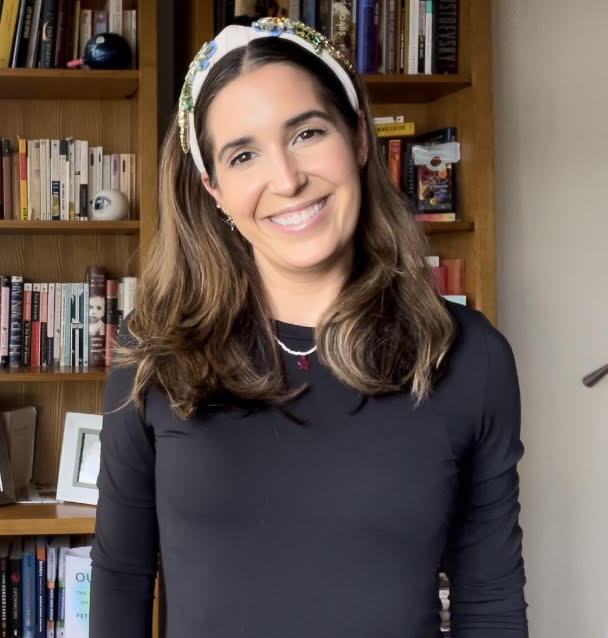
From Dr. Josie, Founder of Write Your Acceptance
Admissions success is about becoming the strongest version of yourself on paper and in person. Authentic writing allows adcoms to understand who you are, while thoughtful research demonstrates why you belong at a particular institution.That's why we developed our Why Us Researcher and Interview Prep tools: to help students deeply understand a school's mission, identify meaningful points of alignment, and prepare to communicate their experiences with clarity and purpose. When it comes to interviews, confidence is not something you magically feel; it is something you build. It comes from knowing who you are, what you bring to the table, and why your story belongs at that school. When preparation meets self-awareness, confidence and acceptances follow.

From Barton L. Jackson II, Executive Director of nglccNY
"When there is an industry-specific barrier, it only gets answered when the community gets organized, comes to the table with data, insight, and experience where [authorities can then]... create a more inclusive local market for access to opportunities."
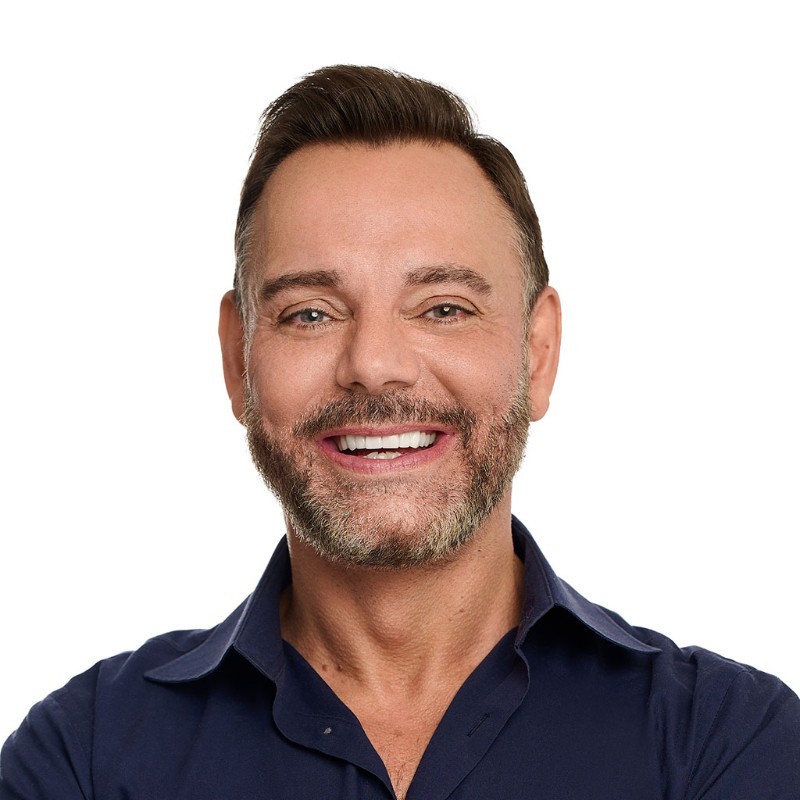
From Benet Hennessey, Senior Therapist and Founder of Citron Hennessey Therapy
"Doctors and professionals need to develop curiosity, awareness, understanding of the unique nature of patients' experiences and development, and most of all knowledge born out of proper training, in order to deliver effective care."
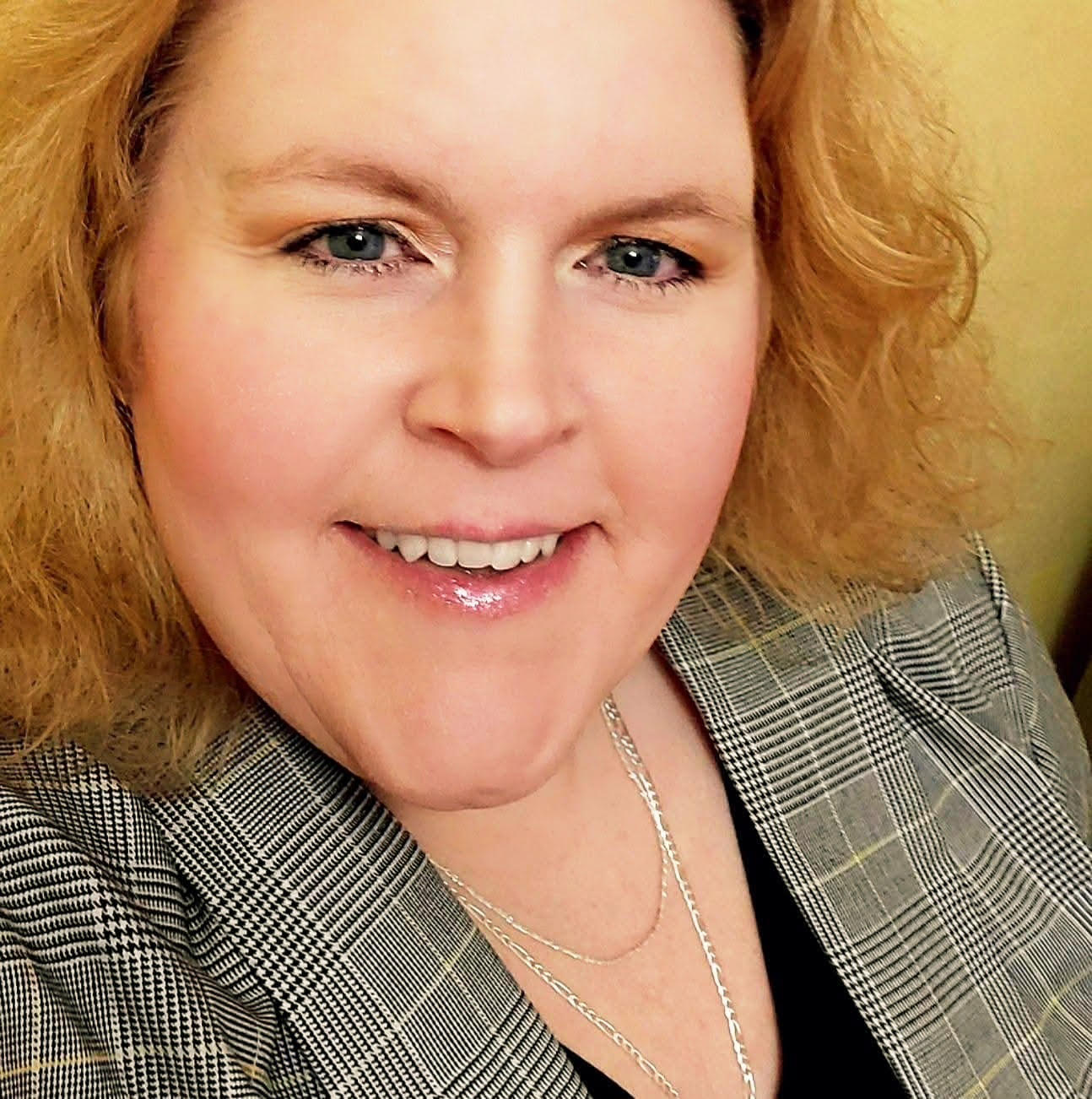
From Cat Cook B.A., CNP, Executive Director at Centre LGBT+
"Future leaders must cultivate both knowledge and personal awareness. Essential qualities include:
Intersectional awareness: LGBT+ people experience overlapping forms of marginalization including race, disability, class, and immigration status which must be acknowledged and addressed in leadership and program design.
Cultural humility: Understanding that each person's experience is unique, and approaching every interaction with curiosity, openness, and a willingness to learn.
Trauma-informed practice: Recognizing how discrimination and past negative experiences shape trust, engagement, and well-being.
Strong communication skills: Using correct names and pronouns, asking open-ended questions, and avoiding assumptions helps create a safer and more welcoming space."

From Chris Davin, Executive Director at Henderson Equality Center
"Most importantly, compassionate providers understand that inclusivity is not a checkbox—it is an ongoing commitment. The most impactful healthcare leaders will be those who continually evolve, listen to marginalized voices, and work to ensure no patient feels unseen or unheard."
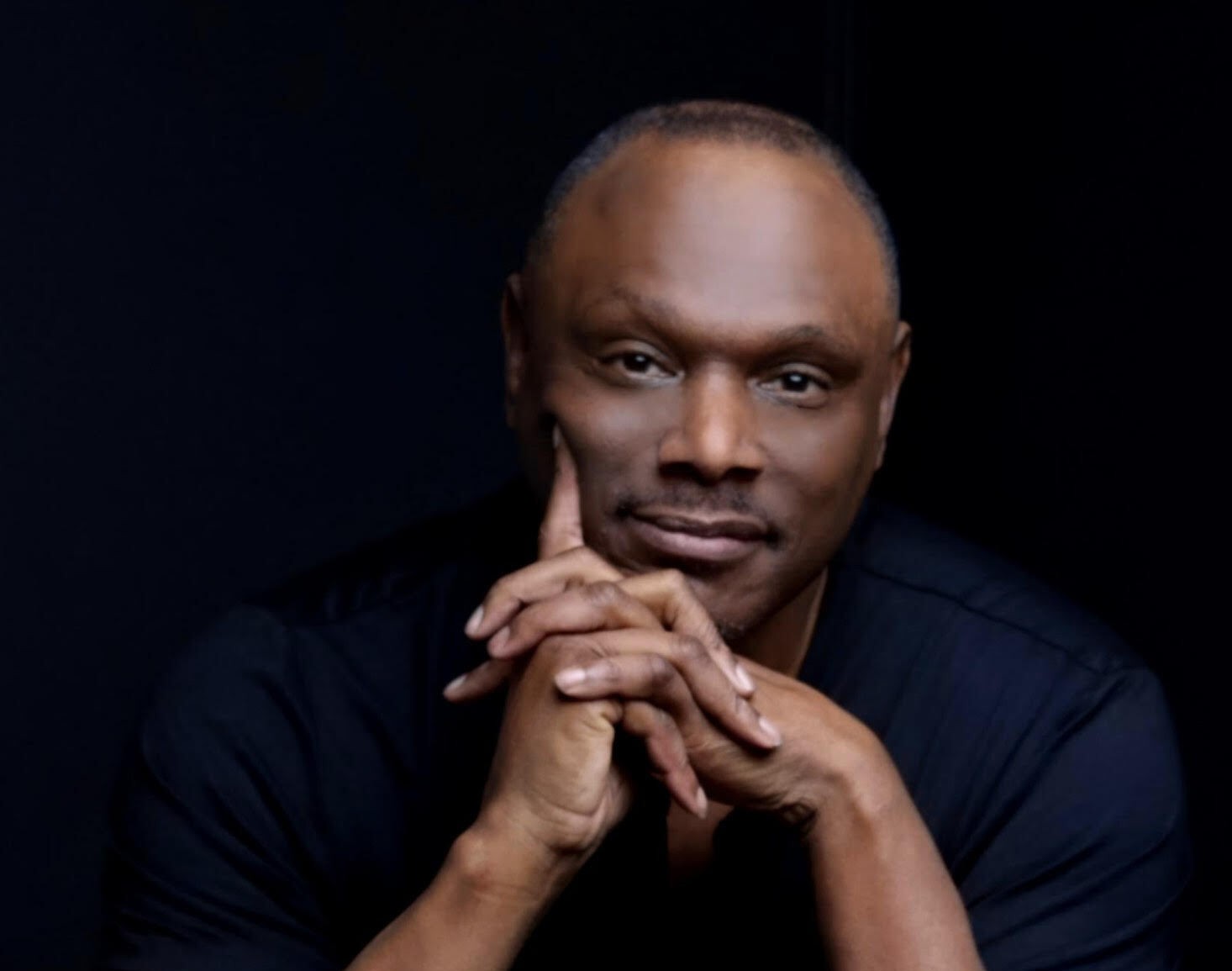
From Cleo Manago, Director of Executive Affairs at Pride Center of Maryland
"When you go to places like Portugal or other European countries and even parts of Africa these are not issues. They've already embedded in their way of doing life and culture risk reduction and health education ideas so people can be healthy as they grow up. I think doctors should take that approach."
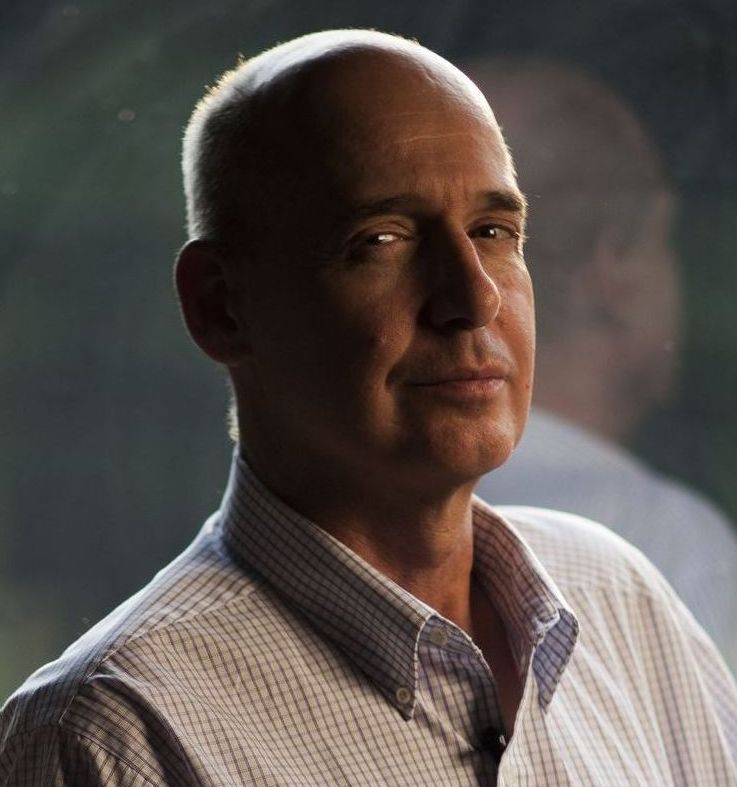
From Dr. Jeffrey T. Junig, Board Certified Psychiatrist and Founder of Fond du Lac Psychiatry
"As I tell my kids, you can choose to be an employee, or you can take up space and do what you want to do."
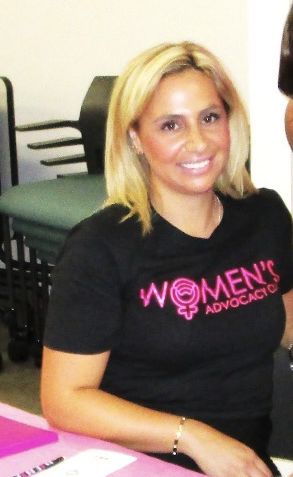
From Dr. Lena Magardechian, PSYD-MFT, Founder and Director of Women's Advocacy Club
"I encourage future physicians to listen before leading, to educate themselves continually about cultural differences, and to engage in community partnerships that allow them to learn directly from the populations they hope to serve. Trust isn't built overnight — it's built through consistency, compassion, and a commitment to equity."
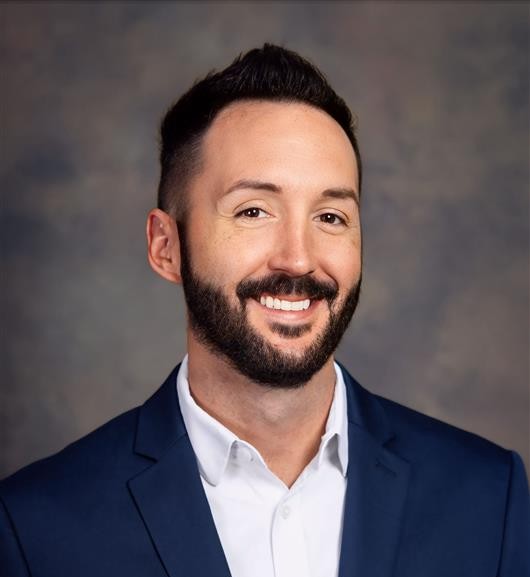
From Dr. Matthew Bauer, Chief Medical Officer at Texas Health Action
"Creating a space in which patients feel seen and heard in their health concerns, and taking their concerns seriously as a healthcare professional, is one of the tried and true ways to not only improve patient outcomes, but also build a trusting doctor-patient relationship."
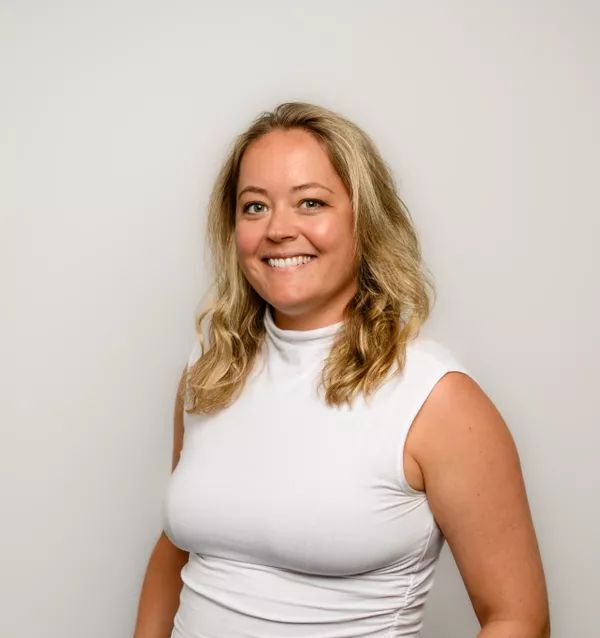
From Dr. Rachel Friedman, Clinical Psychologist at NYCBT
"Future providers, I impart this wisdom: never lose faith in the power of Cognitive Behavioral Therapy! The beliefs these folks have can be so deeply ingrained and instilled, and may take time to shape–but the hard work is always worth it and so very rewarding for all... Many times, helping a client to repair a relationship, or, establish healthy boundaries and distancing themselves (and increasing connection to a chosen family!) is the element of treatment that can have the greatest impact on patient outcomes."
.jpg)
From Angelica Ramos, Licensed Professional Counselor and Founder of Safe Harbor Coastal Counseling
"True inclusivity begins with affirmation, empathy, and cultural humility. To provide more inclusive care, they should develop the ability to create environments where patients feel safe expressing their identities without fear of judgment."
From Father Dan Storrs, President at Endless Mountains Pride
"Practical skills such as correct name and pronoun usage, accessible intake processes, and welcoming clinic design communicate belonging before clinical care even begins."

From Gabrielle Inès Souza, Executive Director of The Okra Project
"Aspiring healthcare professionals can learn that healing doesn't just happen in hospitals; it happens in kitchens, in community centers, and through consistent, affirming presence. Our approach centers the people most often pushed to the margins and asks: What does care look like when it's designed by and for those it's meant to serve? That's a question I'd encourage every future provider to carry with them into their practice."
From Geneses Abril, Director of Communications & Marketing at California Black Women's Health
"Healthcare professionals must go beyond clinical care and embrace their role as advocates for justice and equity. Students should seek opportunities to engage with community-based work, learn about health policy and participate in civic engagement."
From Hannah Pewee, Associate Director of Communications at TaskForce Prevention and Community Services
"Culturally competent care isn't just about knowing terminology; it's about respecting people's lived experiences and identities. For LGBTQ communities, that means getting comfortable talking about gender, sexuality, and health needs without stigma or assumptions. It also means being aware of how racism, poverty, and other structural inequities layer on top of LGBTQ identity to shape health outcomes."
From Henry Young, Program & Communications Director at OutCare Health
"As healthcare progresses we continue to develop new and better understanding of how to deliver affirming care for diverse populations of every stripe. However, the value that drives all of this work is undeniably respect. The ability to respect your patient's identity and their needs is paramount. This combination of empathy, scholarship, and respect is what future doctors and healthcare leaders need to develop if they want to provide more inclusive care."
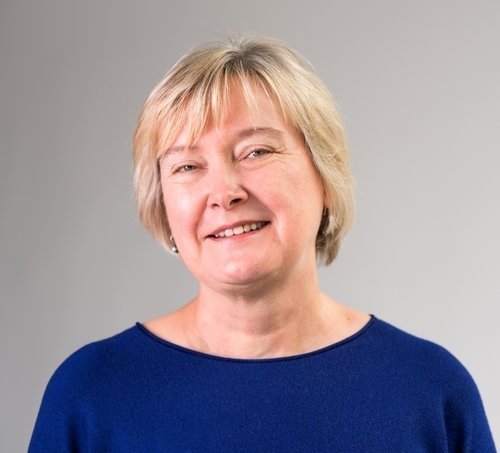
From Jaana Rehnstrom, Founder and President at The Kota Alliance
"Try to become culturally educated! Take a gap year and travel the world, go volunteer in a developing country, learn a foreign language (Spanish, French, Chinese are especially valuable in New York City, but it depends on where you see yourself practicing). Nothing builds rapport between patient and doctor more than speaking their language without an interpreter, even imperfectly."

From Jason Best, LCSW, Owner at Best Therapies, Inc.
"For future doctors, the lesson is simple: treat the whole person. Understand how systemic stress, trauma, and identity intersect, and know that cultural humility and affirming care aren't electives; they're essentials."
From Josh Blakesley, M. Div., Executive Director at The Welcome Project PA
"The first lesson is simple--treat each patient with dignity and respect, and address the healthcare needs they are seeing you for. This means not focusing on someone's sexuality or gender expression, and more on the whole person and their healthcare outcomes."

From Lauren Canonico, Founding Clinical Director and Psychotherapist at Affirmative Therapy Collective
"We know that most health care providers and leaders are here because they want to help others. But too few prioritize openness to how they can cause harm, and to the blind spots that we all carry that make harm an inevitability rather than unthinkable. Research backs this, from studies on patient - therapist relationships to studies correlating patient experience with patient outcome. How patients feel getting their care matters."

From Leah Levine, Chief Operating Officer of Ezras Nashim
"Medicine is not only about treating illness — it's about caring for people. My advice is to approach every patient, especially women, with empathy, curiosity, and respect. Take the time to understand what matters to them — their fears, their comfort levels, their cultural or personal boundaries. When a woman feels truly heard and respected, she's more likely to trust her provider, seek help early, and engage in her care."
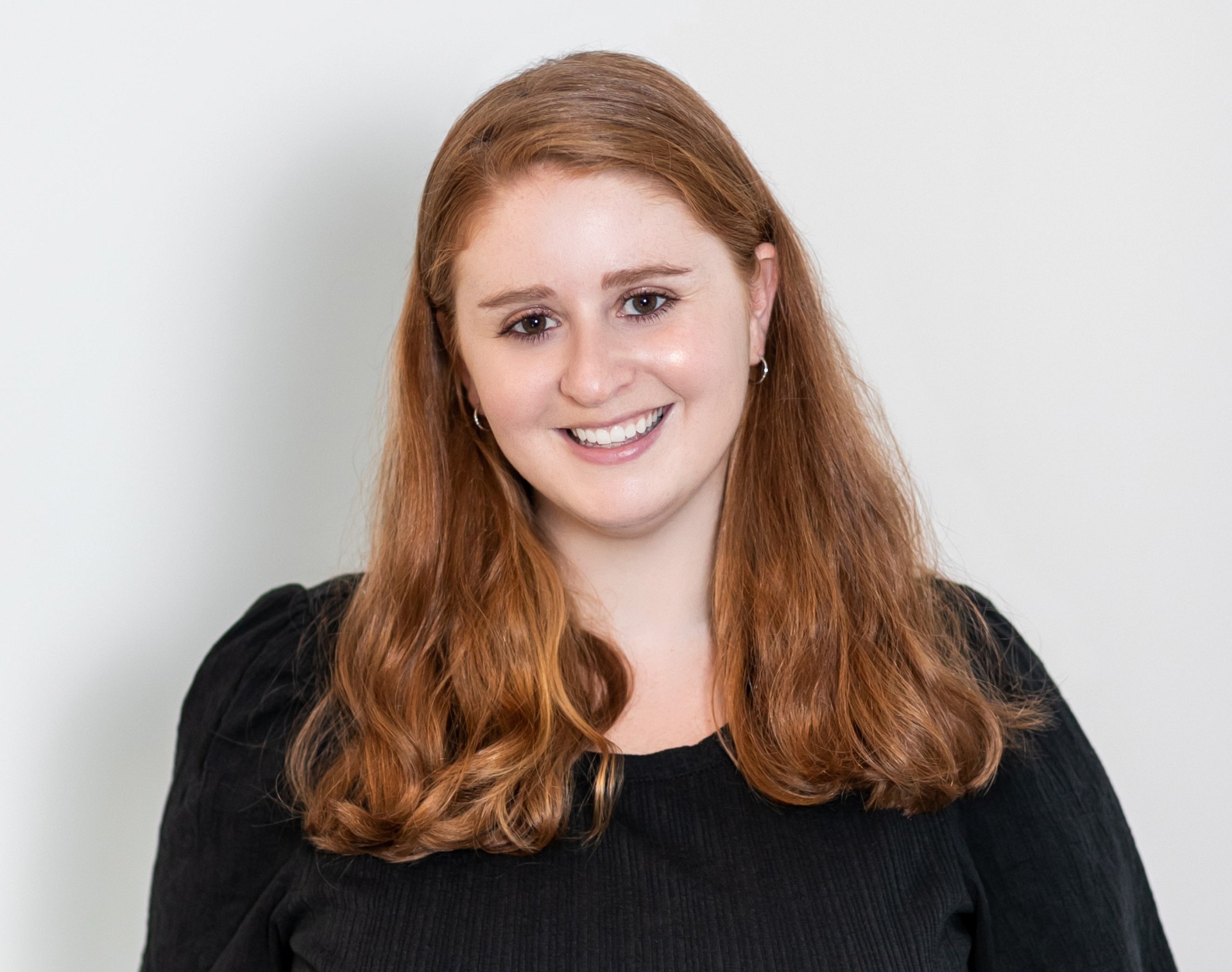
From Lily Thrope, Clinical Social Worker and Founder of Thrope Therapy
"If there's one word I would emphasize for future healthcare leaders, it's listening... Every individual has a unique story, shaped by their body, identity, and lived experience. When providers pause, listen, and approach patients with curiosity rather than assumption, they open the door to more inclusive and effective care."
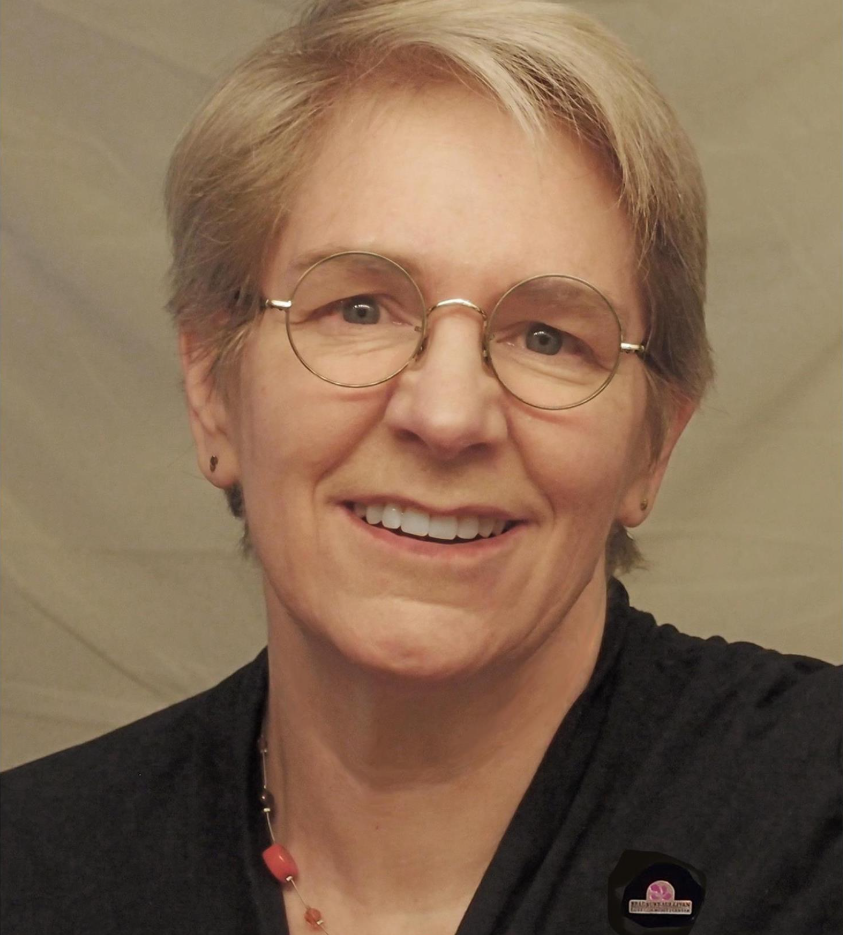
From Liz Bradbury, CEO & Board Chair at Keystone Equality
"Future doctors and healthcare providers should commit to advocate for and lobby for legislated legal healthcare protections in their political subdivisions and municipalities that are fully inclusive of sexual orientation and gender identity and expression."
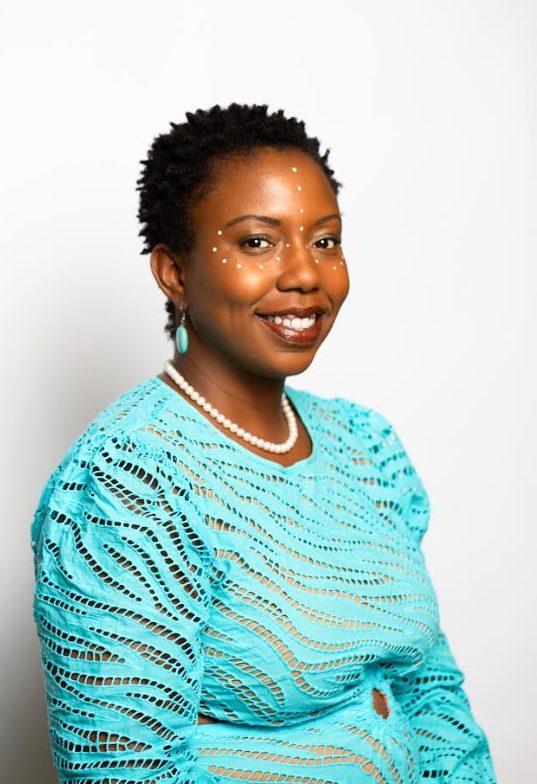
From Marlee-I Mystic, Co-Executive Director At SisterWeb
"Cultural sensitivity is not a training; it's a practice of humility. It means recognizing that knowledge lives in many forms — in family traditions, in spiritual practices, in the languages of touch and tone. Partner with doulas, midwives, and community birth workers who have earned that trust through shared experience."
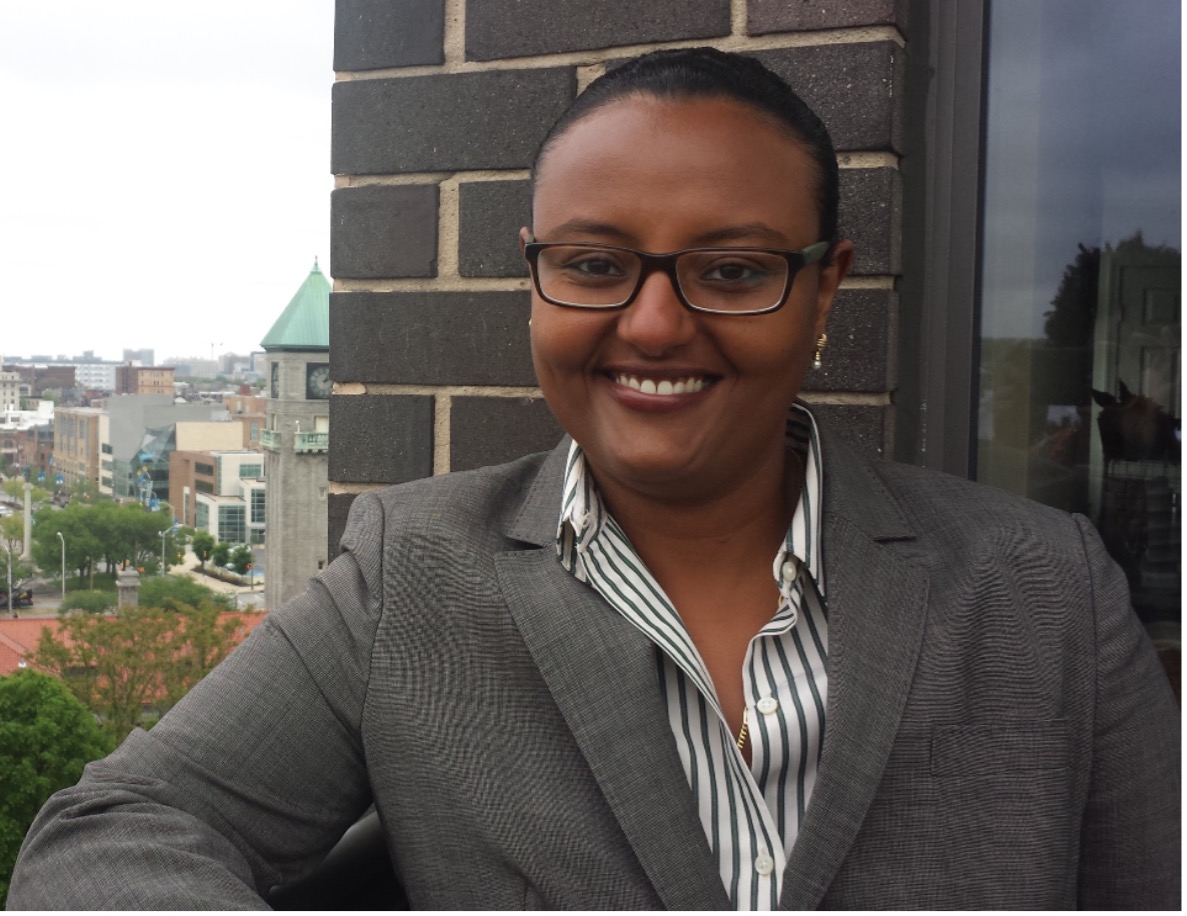
From Mimi Demissew, MBA, Executive Director of Our Family Coalition (OFC)
"LEARN! I can't tell you the number of times that medical professionals have asked me and other families very outdated or heteronormative questions. One example would be to suggest that one of the parents is the 'real' parent or to ask same-sex couples which one of them is the 'man or woman.' It's difficult enough navigating health systems when you are feeling unwell and/or vulnerable. So reducing as many barriers to entry and creating simple policies and training for staff to increase their capacity and to increase the capacity of the institutions to provide affirming care is critical."

From Nina Bouzamondo-Bernstein, Founder and CEO of Pre-Health Shadowing
"Some common mistakes include: Not engaging with speakers by asking questions or participating in discussions. Failing to take notes or reflect on key takeaways. Not completing the post-session quiz, which is necessary to earn a certificate. Not seeking out in-person shadowing opportunities. Virtual shadowing is an excellent learning tool but should be complemented with hands-on experiences whenever possible. Not exploring multiple specialties to broaden their understanding of healthcare careers."

From Rebecca E. Tenzer, Owner & Head Clinician at Astute Counseling & Wellness Services
"One of the most important lessons is to treat patients comprehensively and holistically. Recognizing that mental health, physical health, and well-being are deeply connected. Building trust requires showing up authentically, creating a safe, nonjudgmental space, and remembering that healing is not one-size-fits-all. At Astute, we meet clients where they are, honor their stories, and give them access to multiple modalities of care. Aspiring professionals should remember that flexibility, compassion, and innovation are just as essential as clinical expertise."

From Ron Gentile, PhD, CEO & Founder of Moodfit
"Mental health challenges can absolutely make medical school harder, but that doesn't mean it's impossible. With the right support and consistent practices to build resilience, many students recover and thrive. Sometimes taking a break to focus on your mental health is exactly what's needed—and may ultimately benefit not only your career but every part of your life. Medicine is a long journey, and in the big picture, one pause will barely be a blip."

From Shairi Turner, MD, MPH, Chief Health Officer at Crisis Text Line
"Struggling doesn't mean you're unfit for this path; it means you're human. Many incredible doctors have experienced the same doubts and come out stronger and more compassionate. Your empathy, resilience, and willingness to face challenges head-on are qualities that make you more suited for medicine, not less. It's okay to ask for help—and it's okay to move at your own pace."

From Stacie Walls, CEO at LGBT Life Center
"The best providers start with humility and curiosity. Inclusive care isn't about having all the answers—it's about listening, respecting, and learning from your patients' lived experiences. Future doctors and healthcare leaders should practice empathy, use affirming language, and challenge the systems that exclude or stigmatize LGBTQ+ and HIV+ individuals."
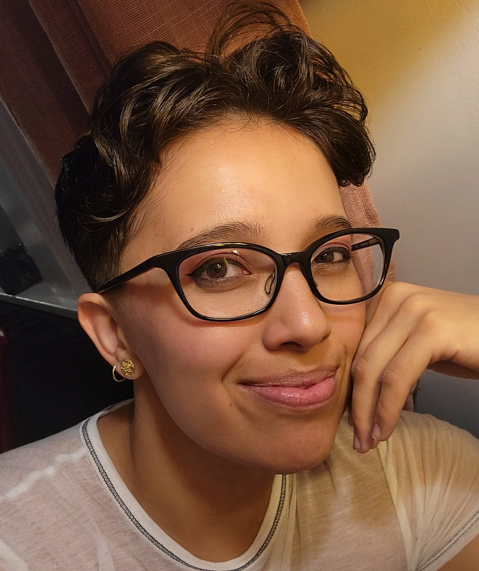
From Surya Ramachandran, Board Member at Rangoli Pittsburgh
"I think that it's critically important for doctors to not make cultural assumptions about patients. Many people are still surprised to learn that a South Asian person is queer, especially if they're religious, and this includes doctors. Providing care without judgement is critical."

From Tandra LaGrone, Chief Executive Officer at In Our Own Voices, Inc
"Future doctors and healthcare leaders must cultivate cultural humility, empathy, and a deep commitment to equity. Inclusive care begins with listening—truly hearing the stories of LGBTQ patients, especially those of color, and allowing those voices to guide treatment. It also requires courage to challenge bias, both personal and institutional, and a willingness to unlearn harmful assumptions."

From Tania Estrada, Executive Director Of The Women's Building
"It is absolutely vital to cultivate cultural sensitivity and awareness; effective care demands that we look beyond the clinic to acknowledge the diverse, often systemic, factors impacting a woman's health. Furthermore, you must advocate for yourself and others—speak up, take up space, and actively uplift other women and marginalized groups in decision-making roles to build lasting trust. Always be prepared for the unexpected; in this complex field, adaptability and problem solving are far more valuable skills than following a rigid plan."
From Tara Lombardo, MA, LMHC, Executive Director, Institute For Human Identity
"My advice is to seek out and build networks of support early... mentors, peers, and affinity groups within your field can be invaluable in navigating microaggressions, systemic bias, and institutional pressures."


.svg)


