Get in touch: +1 888 453 5021


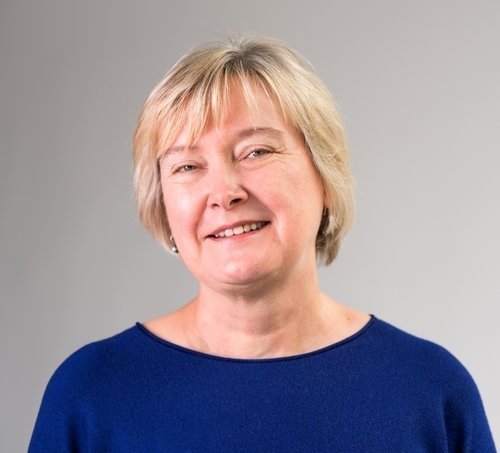
Inspira Advantage is proud to interview experts like Jaana Rehnstrom to help pre-med students understand the importance of culturally responsive care and inclusive support for diverse communities.
Without health, it’s impossible to be empowered and fight for equality! After conducting listening sessions in our low-income community with many marginalized women, the emphasis that emerged was on mental health, stress reduction and trauma mitigation through holistic health practices. Many women have recognized the value of yoga, meditation, mindfulness, reiki, acupuncture etc., but generally they are only available for a fee, and not covered by insurance. So we offer these for free, or for a very low fee. We are also planning communal meals with an emphasis on peer support and nutrition. Our arts programming offers an opportunity to get engaged in art activities, which has intrinsic value for improving mental health. With improved health comes the energy for civic engagement for large scale, systemic improvements in society.
In addition to the above mentioned techniques for addressing mental health, we are currently exploring ways to increase access to Doulas in northern Manhattan. As a former ob/gyn, I am very concerned about the increase over the past two decades in maternal mortality, especially among Black and Brown women. According to the CDC, MMH conditions (suicide and overdose) are the leading cause of pregnancy-related death (maternal mortality) and happen mostly postpartum. While even undocumented women may have access to emergency care during pregnancy and postpartum, and Medicaid certainly covers a lot, access to Doulas is very limited, particularly those that share culture and language with the women who are most at risk for complications. Doulas, particularly those that see their client throughout their pregnancy and birth, have been proven to decrease the complication rate for both mother and baby, and all women who desire one, but especially those with risk factors, should be able to get one.
Try to become culturally educated! Take a gap year and travel the world, go volunteer in a developing country, learn a foreign language (Spanish, French, Chinese are especially valuable in New York City, but it depends on where you see yourself practicing). Nothing builds rapport between patient and doctor more than speaking their language without an interpreter, even imperfectly. Follow the news and learn about the history, religion and customs of the people in your community.
Jaana Rehnstrom is the Founder and President at The Kota Alliance.

.svg)

