Get in touch: +1 888 453 5021


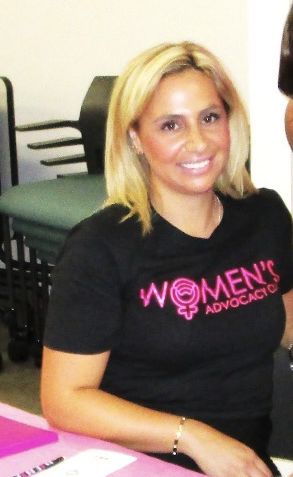
Dr. Lena Magardechian is the Founder and Director of Women’s Advocacy Club.
At the Women’s Advocacy Club (WAC), we believe that women’s health is central to empowerment and gender equality. Our approach integrates mental, emotional, and physical well-being into everything we do. We provide safe spaces for open mental health discussions, promote collaboration among women in the field, and raise awareness about self-care and wellness as key components of advocacy work.
Through our meetings, workshops, panels, and outreach events, WAC’s mission is to build a legacy of gender equality by supporting both personal and collective growth. We empower individuals of all backgrounds — women, men, boys, and girls — to understand and address cultural, social, and relational issues that impact overall well-being. Whether through storytelling, poetry, art, or activism, we create expressive outlets that foster healing and connection.
We also integrate women’s health initiatives through partnerships that bridge advocacy, research, and practice. For example, our collaboration with Pepperdine University’s Graduate School of Education and Psychology allows students in Dr. Lena Magardechian’s Mental Health Systems, Practice & Advocacy course to engage with real-world social justice work by using WAC as an example. Our partnership with the APA’s Clinical Psychology of Women (Division 12, Section 4) connects us to cutting-edge research and professional expertise focused on improving the lives of women and girls.
And because self-care is an act of empowerment, our collaboration with Josie Maran — who generously donated over 10,000 organic self-care products — enables us to equip our members, volunteers, and supporters with tangible reminders to care for themselves while they continue advocating for others.
For us, advancing women’s health isn’t a separate goal — it’s woven into our identity as advocates for equality, mental wellness, and collective empowerment.
One of the most pressing gaps we see in women’s healthcare—especially in underserved communities—is the lack of access to affordable, culturally sensitive, and mental health–inclusive care. Too often, women face barriers such as financial hardship, stigma surrounding mental health, limited education about available services, and a shortage of providers who truly understand the intersection of gender, culture, and emotional well-being.
At the Women’s Advocacy Club, we address these disparities through education, advocacy, and connection. We create safe spaces for open conversations about mental health, host workshops that raise awareness about women’s wellness and rights, and collaborate with professionals who are passionate about bridging care gaps. Our outreach and advocacy efforts focus on empowering women with knowledge — because informed women are better equipped to seek care, advocate for themselves, and support one another.
Through our partnerships with organizations such as the APA’s Clinical Psychology of Women (Division 12, Section 4) and Pepperdine University’s Graduate School of Education and Psychology, we connect students, clinicians, and community members to research and real-world solutions that aim to make women’s mental and physical healthcare more equitable and accessible.
Ultimately, our goal is to ensure that every woman — regardless of her background or circumstance — feels seen, supported, and valued in her journey toward health and empowerment.
My advice to aspiring doctors is to lead with empathy, humility, and a genuine curiosity about the lived experiences of the women they serve. Building trust within diverse women’s communities requires more than clinical expertise — it requires cultural sensitivity, active listening, and respect for each individual’s story.
At the Women’s Advocacy Club, we emphasize that true healing happens when women feel seen, heard, and understood. For doctors, this means creating a safe and affirming environment where women can openly share their concerns without fear of judgment. It’s also essential to recognize how culture, language, socioeconomic factors, and systemic inequities influence women’s health experiences.
I encourage future physicians to listen before leading, to educate themselves continually about cultural differences, and to engage in community partnerships that allow them to learn directly from the populations they hope to serve. Trust isn’t built overnight — it’s built through consistency, compassion, and a commitment to equity. When doctors embody these principles, they don’t just treat girls/women of diverse backgrounds — they empower them.
Inspira Advantage is proud to feature insights from leaders like Dr. Lena Magardechian, PSYD-MFT to understand the importance of culturally responsive care and inclusive support for diverse communities.

.svg)

