Get in touch: +1 888 453 5021


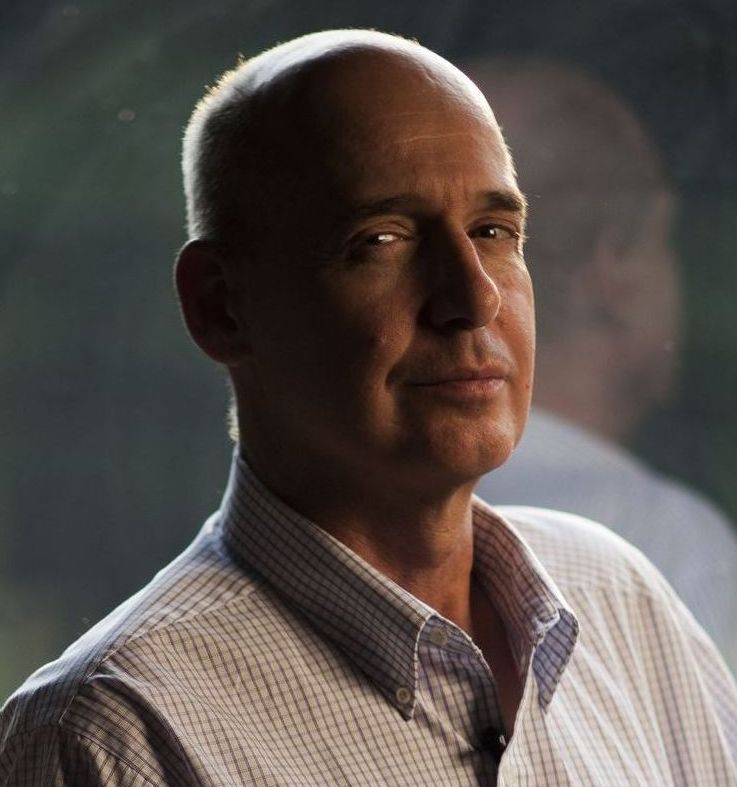
Dr. Jeffrey T. Junig, MD, PhD, is board-certified in anesthesiology, psychiatry, and addiction medicine at Fond du Lac Psychiatry. He attended the University of Rochester School of Medicine and Dentistry and has more than 35 years of experience, with a practice focused on addiction, chronic pain, and psychiatric care.
I didn’t plan on becoming a doctor. I came from a family of lawyers who hated doctors. However, I went to graduate school at the University of Rochester’s Centre for Brain Research, which now has a different name. After two years, I entered the Medical Scientist Training Program (MSTP).
I noticed a couple of things during that time. PhD students were constantly struggling for funding, and I didn’t want that for myself. But my personality fit more naturally with the PhD students. However, I wanted to fit in with the medical students. They seemed more social and happier, and I was very shy. So, I wanted to fit in with medical people.
I also always wanted to help people. When I was 19, I saved a drowning woman, and I have always wanted to make a difference as a medical scientist.
It was as I expected. Back then, admissions placed less emphasis on “fluff experiences.” They wanted strong grades, solid test scores and, perhaps, a few extracurricular activities. At the end, the admissions were based purely on merit.
I had to spend the night at another applicant’s house to be closer to the city where my exam was. My bedroom had mourning doves outside the window that kept me awake all night. Then, while driving to the exam centre, I had to listen to him constantly talk about how he would do. He’s now an obstetrician.
During summers in college, I worked in a hospital’s maintenance department. It wasn’t medical work, but it gave me knowledge into how hospitals run and how they are managed. I was always busy with sports, Boy Scouts, church missions to Mexico, etc. But, I didn’t do any of these in order to get into a medical school.
During my first two years of graduate school, I performed very well, including a few medical school classes that I took as part of my medical program. I was the topper of those classes.
No, not really, because I applied to only one school. However, the interviews were frustrating, with questions if I was more of a “science guy” and whether I could handle the pressure. I knew that I could.
I first spent 10 years in anesthesiology because I loved applied neurochemistry. I also loved the operating room (OR) with all the exciting cases. During that time, I became addicted to opioids, starting with cough medicine. It was brief, but it got me into trouble. I was monitored for five years before returning to residency in psychiatry, which was something I never imagined in medical school. I had hated psychiatry then.
As I blended into opioid addiction treatment, I grew to love the field. I built relationships with patients whom I have known for 20 years. It was the perfect practice.
I would love to help in any way I can. That is what’s missing in medical practice today. Doctors have layers of human-resources-related aspects above them. So, they became cowards to run a real practice. I often hear, “I can’t prescribe Suboxone. I can’t prescribe Ambien. You need a drug test if you want a sleeping pill.” There’s little real assessment of risk and little working with patients. Instead, it has become just checking boxes on electronic records, which I don’t use, and following orders from above.
My small practice has been a joy and changed the course of my life. My wife works as my office manager. It can be challenging, but it’s also rewarding. We can practically read each other’s minds. In psychiatry, it doesn’t take much money to start a practice. You just need an office and a computer. On the other hand, surgical specialties, of course, are much harder.
I first saw the building on my drive home from residency. The owner had it built out to suit my needs, and I’ve been there for 20 years. These days, some companies help with credentialing, etc.
I’ve also always kept a side job, first in the prisons, then at a university health service, and later at a methadone clinic. I believe change keeps us young.
I would say: please, take a shot. I’m the only non-system doctor in my area. I get to see patients other doctors have given up on — patients who were too complicated for a 10-minute visit. I offered something different. Every appointment lasted at least 30 minutes, and the first appointments were a full hour. I have always started and ended on time.
I also didn’t take insurance but kept fees low. Even now, I charge $220 for a half-hour session. Many patients still choose to see me, even though they are not covered by insurance.. In my small town, I have built a practice with about 500 people.
The important thing is to offer something special that sets you apart from others. And, market yourself. For about two years, I hosted a weekly radio show about psychiatry where people could call in. Even now, people still come up to me and say, “I called you once!”
As I tell my kids, you can choose to be an employee, or you can take up space and do what you want to do.
Inspira Advantage is proud to interview experts like Dr. Jeffrey T. Junig to help future doctors understand the challenges and rewards of a medical career.

.svg)

