Get in touch: +1 888 453 5021


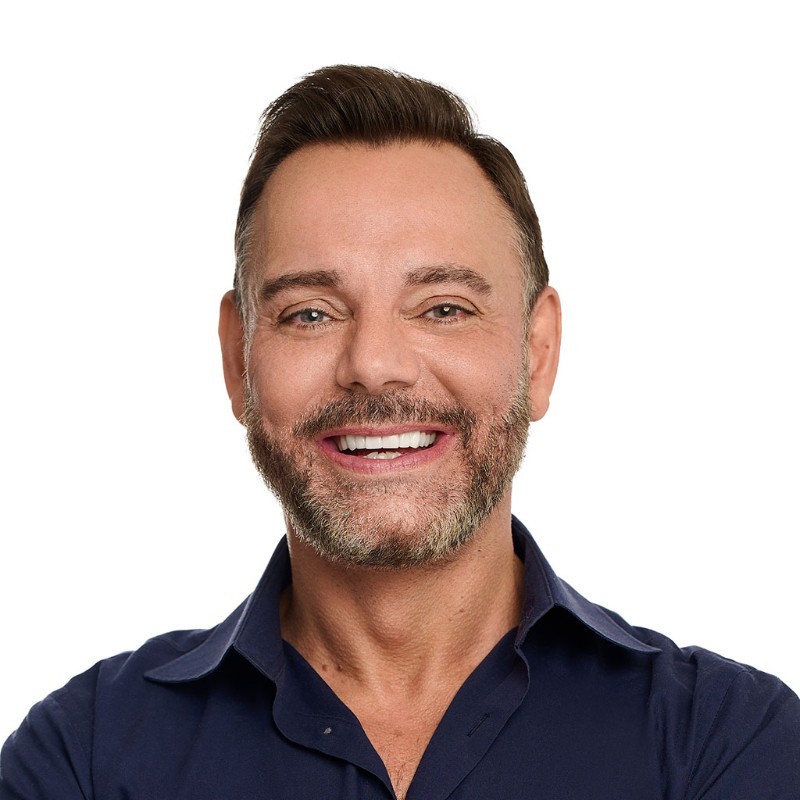
Benet Hennessey is a Senior Therapist and Founder of Citron Hennessey Therapy, a private practice in Manhattan, NYC, offering individual and couples therapy with approaches like CBT and mindfulness-based care.
Citron Hennessey Therapy is unique in advancing LGBTQ health and equity because it embeds LGBTQ-affirmative care into every level of its practice. All staff receive extensive training and certification in LGBTQ-affirmative therapy as part of their foundational development, ensuring that clients receive care grounded in cultural competence and respect.
The founders bring unparalleled expertise, having served as directors of the Institute for Human Identity—the nation’s first LGBTQ mental health center—while also collaborating with Yale and the National Institute of Mental Health on research grants evaluating the efficacy of affirmative therapies. Benet Hennessey continues this leadership as Director Emeritus of IHI and, as a current board member, maintains close ties to the broader LGBTQ mental health community.
CHT also advances equity through accessibility and choice. Its automated booking process allows clients to request a non-heterosexual therapist, and its team reflects diversity across both straight and LGBTQ identities, ensuring clients can find affirming therapeutic matches.
Finally, the practice distinguishes itself through its use of Rational Emotive Behavior Therapy (REBT), a form of CBT that emphasizes self-empowerment, internal locus of control,, resilience, and growth. For LGBTQ clients in particular, REBT helps dismantle shame, overcome imposed victimhood, and recognize the strengths forged through lived experience—supporting individuals in realizing their full potential.
Doctors and professionals need to develop curiosity, awareness, understanding of the unique nature of LGBTQ experiences and development, and most of all knowledge born out of proper training, in order to deliver effective care.
Inspira Advantage is proud to interview experts like Benet Hennessey to help pre-med students understand the importance of culturally responsive care and inclusive support for diverse communities.

.svg)

