Get in touch: +1 888 453 5021


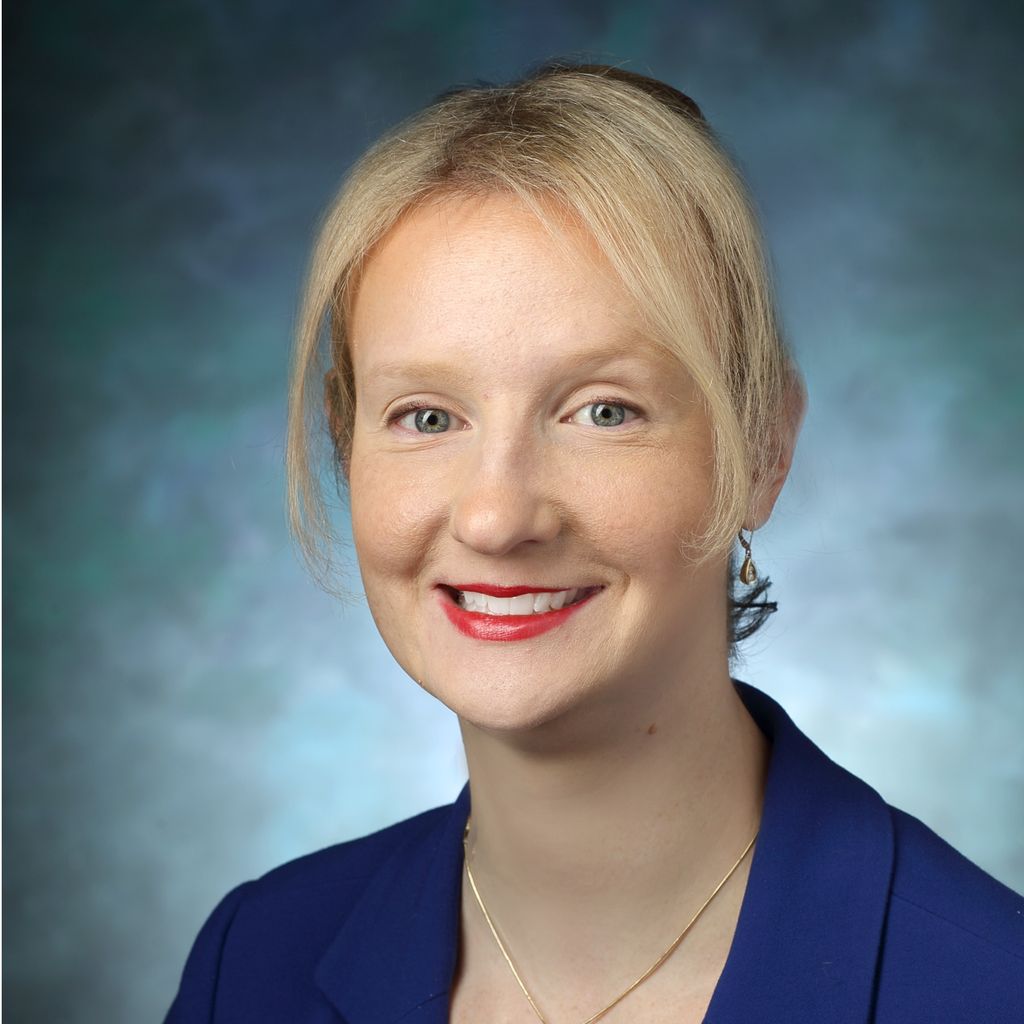
Dr. Meghan Berkenstock, MD is the Medical Director of the Johns Hopkins Wilmer Eye Institute at Water’s Edge and the President of the Drexel University College of Medicine Alumni Association. Learn more about how our consultants can help you get into medical school today.
I would have tried to rotate with more specialties to increase my clinical exposure to more fields of medicine.
Medical school prepared me well to be a transitional year intern. However, given ophthalmology is a niche specialty, there was a lot of on-the-job training that happened in the first 3 months of residency. Learning to refract, perform gonioscopy, and use the ophthalmic equipment has a steep learning curve given minimal exposure to it on my 4th-year home rotation.
In addition to board scores and clinical grades, residencies are looking for students with backgrounds and experiences that can help them thrive in the day-to-day practice of medicine. Highlighting skills developed through adversity, such as resiliency, self-motivation, the ability to learn quickly, and reliability, can differentiate you from others in the applicant pool.
Having time management skills and completing what you plan to do in your schedule each day are key to success at multiple points in your journey to become a physician.
Finding hobbies and interests outside of medicine helps keep you grounded and well-rounded. I took 10 minute breaks every hour I studied to help decompress.
Understand that the 3rd and 4th years are very subjective. Your opinion on a specialty may be colored by the attendings, residents, and other students that you rotate with at that time. Look beyond that and assess, would I be happy in this specialty overall? Do I like long-term relationships with patients or acute interactions? Do I like performing procedures or surgeries? Do I like taking care of one gender or both? Do I like working with children? Do I want to take care of everyone in a family? By answering these questions, you have found a specialty.
If you want a career in academic medicine, pedigree is important. Attending the highest-ranked medical school is important and can lead to a residency match at a higher-ranked residency program. However, I attended an in-state school and still entered into academic medicine; however, I felt I needed to work harder than top-20 medical school graduates to reach the same professional attainment.
Never forget that alumni can make incredible mentors. Especially at medical schools that may not have a clinical department in the specialty you are choosing, look for an alumnus to mentor you. For example, in an ophthalmology residency application, research is key to differentiating your application. Research projects can also lead to presentations at national meetings and opportunities to network. Mentors can reach out to their contacts to help put in a good word for you to also increase the chance of you matching. Remember that mentoring is a two-way street. The mentee should maintain the relationship and reach out to the mentor to schedule regular meetings, follow up if they have not heard from the mentor as planned, and continue to stay in touch after graduation. You will find that you need many mentors in your career. They are like friends—make new ones but keep the old. Form a network of sponsors, mentors, and colleagues that will help form the trajectory of your career as early as possible.
Ophthalmologists are medical doctors. We are not optometrists; we are surgeons. We make a huge difference in patients' quality of life and also provide life-saving care through identification of aneurysms, central nervous system lesions, strokes, and other systemic illnesses that we can assess through the ocular exam. Think about consulting us to help in difficult diagnostic situations where features of the ocular exam could make the systemic diagnosis for you.
Inspira Advantage are proud to interview experts like Dr. Meghan Berkenstock, MD to help future doctors understand the challenges and rewards of a medical career.

.svg)

