Get in touch: +1 888 453 5021


Undergrad: University of California, Irvine
Graduate School: University of California, Irvine; University of California, Los Angeles
Dr. Lee’s educational journey began at the University of California, Irvine, where she graduated with a Bachelor’s degree in sociology and international studies. Before pursuing her PhD at UCLA, she graduated with two Master’s degrees in demographic and social analysis from UC Irvine and sociology from UCLA.
Throughout her career, Dr. Lee has contributed to peer-reviewed publications, national conference presentations, and multi-institution partnerships focused on HCI in medicine, patient care quality, and clinical education. She also has expertise in research operations, IRB and regulatory management, and an ability to translate complex health data into actionable insights to improve clinical practice. Dr. Lee manages multi-center research, federally funded research initiatives, and large-scale mixed-methods studies focused on improving patient care and clinician decision-making.The projects she has supported center on understanding how clinicians interact with digital tools, diagnostic support systems, and decision-making interfaces, and how these technologies shape diagnostic accuracy, cognitive load, and patient safety. In addition to research, Dr. Lee serves as an adjunct professor at a nursing school
Dr. Lee is an experienced mentor with a long track record of supporting undergraduate students and early-career researchers. She is known for her structured, encouraging, and highly personalized guidance in helping students develop strong skills at each stage of the research process. Mentees appreciate Dr. Lee’s clarity in teaching complex methodological concepts, her ability to break down difficult tasks into manageable steps, and her commitment to helping each student build confidence and scientific independence.
Dr. Lee’s passion for mentorship stems from her belief that research training produces stronger clinicians and scientists—individuals who can think critically, interpret evidence rigorously, and contribute meaningfully to innovations in patient care.
Undergrad: University of California, Irvine
Graduate School: University of California, Irvine; University of California, Los Angeles

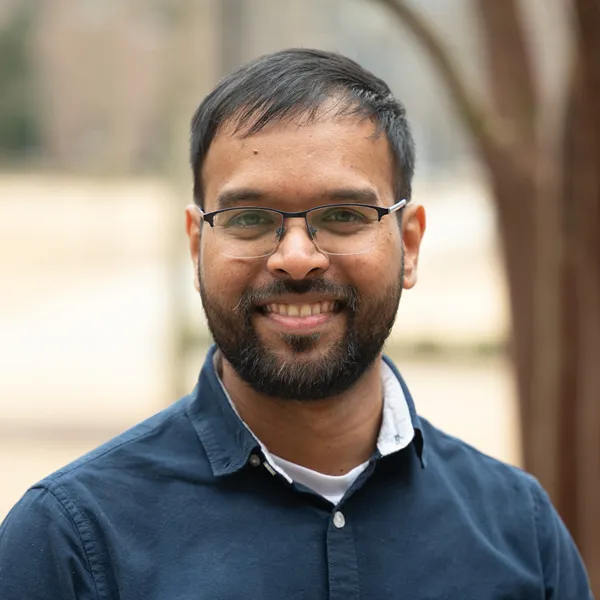
Undergrad: Maharashtra University of Health Sciences
Graduate School: Maharashtra University of Health Sciences, East Carolina University
Dr. Gardas began his clinical and academic training at Maharashtra University of Health Sciences in India, where he earned both a Bachelor’s and Master’s degree in physiotherapy. He previously served as research mentor at the Mahatma Gandhi Mission College of Physiotherapy in Mumbai for over four years. He now works as a research assistant at East Carolina University.
Dr. Gardas’ scholarship centers on understanding and enhancing motor recovery, with particular emphasis on children with cerebral palsy and individuals with vestibular disorders. His research integrates neurophysiology, motor behavior, and translational rehabilitation science to bridge laboratory findings with real-world functional outcomes. Dr. Gardas has delivered more than eight first-authored podium presentations at regional and national conferences and has twice received the Best Judges’ Choice Award for platform presentations during his PhD training. In addition to presenting his work, he has served as a judge for undergraduate research poster competitions, reflecting his commitment to academic mentorship and scholarly excellence.
In addition to conference presentations, Dr. Gardas has authored multiple peer-reviewed publications in rehabilitation and pediatric journals. Notably, one of his recent publications in a leading pediatric journal was selected as the “Editor’s Choice” article of the year—an honor recognizing both scientific rigor and clinical relevance. His work has contributed to advancing evidence-based neurorehabilitation practices and strengthening the integration of neuroscience into physical therapy education. He has been published in Physical & Occupational Therapy in Pediatrics, the Journal of the Society of Indian Physiotherapists, PLOS One, and other journals.
Beyond research productivity, Dr. Gardas is deeply committed to student development. He has mentored Doctor of Physical Therapy students in the design and execution of capstone projects and research posters, guiding them through hypothesis development, methodological design, data interpretation, and professional presentation. His mentees have successfully presented their work in academic forums, strengthening their applications for advanced training and professional opportunities.
With eight years of research mentorship experience, Dr. Gardas brings a structured, analytical, and highly supportive approach to helping students. He specializes in helping them formulate high-impact research questions, conduct rigorous literature reviews, develop sound methodologies, and communicate findings with clarity and confidence. Students working with him can expect thoughtful guidance, intellectual challenge, and a collaborative environment that fosters both technical skill development and independent scientific thinking.
Dr. Gardas believes that research training is transformative—it cultivates critical thinking, resilience, precision, and intellectual curiosity. He is passionate about helping aspiring medical and healthcare students develop the skills and confidence needed to excel in competitive academic pathways. Through mentorship, he empowers students to strengthen their research portfolios and grow into thoughtful scholars and future healthcare leaders.
Undergrad: Maharashtra University of Health Sciences
Graduate School: Maharashtra University of Health Sciences, East Carolina University
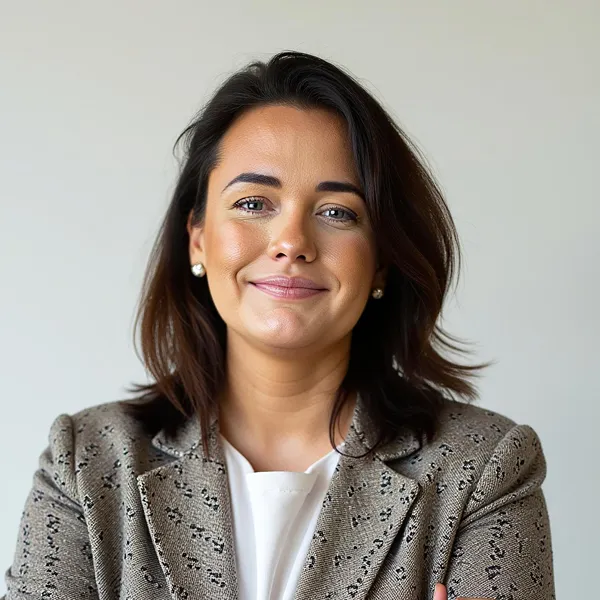
Undergrad: Dublin Institute of Technology
Graduate School: National University of Ireland
Dr. Cahill’s PhD research focused on evaluating clinically relevant methods to improve mesenchymal stromal cell (MSC) expansion and therapeutic scalability for acute graft-versus-host disease. She also served as a graduate researcher and teaching instructor during her time at the National University of Ireland. At Brigham and Women’s Hospital and Harvard Medical School, Dr. Cahill specialized in trauma immunology and immune dysregulation following acute injury. She was competitively selected for a National Institutes of Health T32 Grant through the National Institute of General Medical Sciences Training Program in Trauma and Burn Research. As a CyTOF mass cytometry specialist on this multi-site program, she led high-dimensional immune profiling experiments in human and murine models, trained collaborators in advanced analytical platforms, and contributed to scientific strategy examining DAMP-mediated innate immune failure after trauma.
Dr. Cahill has authored first-author publications in peer-reviewed journals, including Annals of Surgery and Injury, and has contributed to additional publications in outlets such as Frontiers in Immunology, the Journal of Leukocyte Biology, and Blood Advances. Her work has advanced understanding of immune dysregulation in trauma, infection, and inflammatory disease and has been presented at national scientific meetings.
Building on her academic foundation, Dr. Cahill joined Takeda as a Scientist in Process Development, where she led laboratory studies evaluating and optimizing cell therapy manufacturing technologies. She designed and executed experiments assessing bioreactor systems, freeze–thaw platforms, and fill–finish systems to improve process robustness, scalability, and product consistency. She authored technical reports supporting Alofisel—an approved cell therapy product—and collaborated across research, manufacturing, and regulatory teams to support chemistry, manufacturing, and control strategy and translational process optimization. She also co-led the development and experimental validation of a patent-pending automated device designed to improve cell therapy manufacturing reproducibility.
Dr. Cahill later advanced into a senior leadership role at Takeda as a Senior Research Program Manager, overseeing multiple oncology and cell therapy programs through key phase gates in the drug development process. In this role, she directed interdisciplinary teams across research, regulatory, clinical, and operations functions and implemented structured program frameworks that reduced document revision cycles by 20%, helping teams translate complex scientific findings into clear presentations and decision-ready materials.
Mentorship has been a defining thread throughout Dr. Cahill’s career. She taught and mentored students during her PhD training, supported Master’s students and visiting fellows during her postdoctoral fellowship, and guided junior scientists at Takeda through experimental design, data analysis, and scientific writing. She has also served as a mentor in Takeda’s Women’s Mentorship Program. Dr. Cahill has supported numerous scientists conducting research spanning cancer biology, tumor biology, cell biology, immunology, microbiology, molecular biology, and infectious disease.
Dr. Cahill’s greatest strengths include distilling complex scientific concepts into clear frameworks, strengthening scientific writing, patience, and building intellectual confidence. As a research mentor, Dr. Cahill is known for a structured, rigorous, and highly supportive approach, helping students refine meaningful research questions, design feasible studies, conduct comprehensive literature reviews, interpret data critically, and craft high-quality abstracts and manuscripts.
Dr. Cahill’s passion for mentoring stems from a lifelong love of science. She finds science endlessly fascinating and views it as one of the most powerful ways to understand the world. Coaching students brings her genuine happiness, and she takes particular pride in guiding students without giving them the answers outright—helping them realize that they can think critically, solve problems independently, and succeed through their own reasoning. Watching students grow from uncertainty to confidence is one of the most meaningful aspects of her professional life.
Undergrad: Dublin Institute of Technology
Graduate School: National University of Ireland
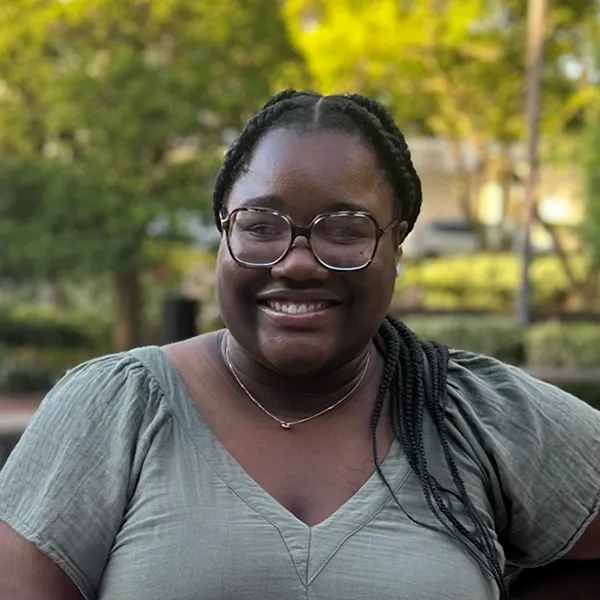
Undergrad: Spelman College
Graduate School: Cornell University
At Spelman College, Dr. Van’s academic excellence was recognized with awards and scholarships, including a second-place award at Spelman’s RISE START Program Symposium, the Procter & Gamble Scholarship, and the Women in Science and Engineering Undergraduate Program Scholarship. During her undergraduate years, she also developed an early commitment to mentorship by training peers in cell culture and foundational laboratory techniques.
During her doctoral training at Cornell University, Dr. Van continued to build research and leadership experience and received an Honorable Mention for the Ford Foundation Predoctoral Fellowship. She also supported undergraduate researchers through professional development and diversity-focused initiatives, including mentoring historically underrepresented students through Cornell’s Graduate Student Mentoring Undergraduates program to prepare them for graduate studies. As an executive member of Cornell’s Expanding Your Horizons program, she engaged young girls in STEM through mentorship, discussions on biomedical research, and hands-on experimental design activities.
Dr. Van’s research background is grounded in molecular and biochemical approaches to understanding disease mechanisms, and she is known for her technical expertise, collaborative approach, and research leadership. With five years of mentorship experience, Dr. Van meets students where they are and creates supportive, low-stress learning environments that encourage curiosity, questions, and scientific independence. Her mentorship style emphasizes positive reinforcement and interactive discussions to build research skills, critical thinking, and confidence. She has supported students through research in biochemistry, molecular biology, cancer biology, and cell biology, helping trainees strengthen both technical foundations and professional development.
Undergrad: Spelman College
Graduate School: Cornell University
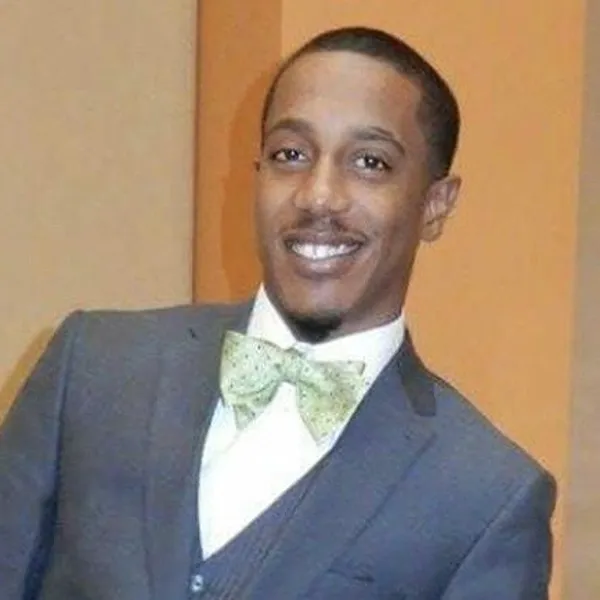
Undergrad: Alcorn State University
Graduate School: Alcorn State University, Penn State University
Dr. James began his academic training at Alcorn State University, where he earned a BS in biology and later completed an MS in biology through Alcorn State University and Penn State University. Throughout his training, Dr. James has secured funding to present his research at national and international meetings, such as the Federation of American Societies for Experimental Biology (FASEB) in Lisbon and the American Association of Immunologists (AAI) annual meeting. He also received funding to conduct research at St. John’s Medical College in Bangalore, India, and to present findings at the Annual Biomedical Research Conference for Minoritized Scientists.
Dr. James’ research integrates molecular biology, immunology, and translational medicine to better understand immune responses in cancer, allergy, and autoimmune disease. In addition to presenting his work at scientific conferences, Dr. James has published multiple papers in peer-reviewed journals, including the Journal of Immunology, the Journal of Biological Chemistry, and Cancer Research. He has worked as Lead Author on a cancer immunology study conducted at Vanderbilt University Medical Center and on a nutritional immunology study conducted at Penn State University.
In addition to his research career, Dr. James has held leadership roles centered on building pathways and support systems for trainees. He served as Assistant Director of the Alcorn State–Penn State Bridges to Doctorate Program, mentoring participants as they transitioned into graduate training and acclimated to research environments. He also mentored graduate students at Penn State University and undergraduate and graduate students who worked in his lab at Vanderbilt University Medical Center. Dr. James is also a co-founder and the Chief Financial Officer of Bridge the GapSci, Inc., a nonprofit organization that grew out of a first-place finish and a $1,500 seed funding award in a Penn State business startup competition.
Dr. James has supported students conducting research in multiple disciplines, including cancer and tumor biology, molecular biology, genetics, genomics, and immunology. Students he has mentored have progressed to programs at Penn State University, Meharry Medical College, and Vanderbilt University Medical Center. Dr. James has extensive experience guiding students through the research and publication process. He specializes in helping students develop strong research projects, improve scientific writing, and build competitive applications for medical and graduate schools. His mentorship focuses on developing critical thinking, research independence, and the skills needed to translate scientific ideas into impactful publications.
Undergrad: Alcorn State University
Graduate School: Alcorn State University, Penn State University
Undergrad: Davidson College
Graduate School: George Washington University, University of Pennsylvania
Dr. Buek’s work has focused on early childhood development, trauma-informed care, developmental and mental health screening and referral systems, and health systems improvement. She has conducted research and evaluation across the US, Africa, Asia, and Latin America, bringing a global, systems-level perspective to her work. Her experience includes work at Futures Group International and Mathematica Policy Research, Washington, followed by serving as a Research Project Manager at the University of Texas at Tyler and the University of Texas System Population Health. More recently, Dr. Buek served as a Senior Researcher at Decision Information Resources in Austin, and currently works as a Senior Research Specialist at the Texas Department of Family and Protective Services in Austin.
Across her career, Dr. Buek has led and contributed to rigorous mixed-methods evaluations, including randomized and quasi-experimental studies, large-scale surveys, and qualitative research. She has extensive expertise in psychological and educational measurement, advanced statistical modeling, and the design of high-quality research instruments. Her work has been published in peer-reviewed journals such as Child Maltreatment, BMC Nursing, and Early Childhood Research Quarterly, and has informed policy and practice in child welfare and public health systems. She has also presented her work nationally, including an oral presentation at the Society for Prevention Research on postpartum depression screening, referral profiles, and policy priorities.
Dr. Buek has held multiple leadership roles on numerous research and evaluation studies across sectors at local, state, federal, and international levels. She has first-authored several publications and served as Co-Principal Investigator and Project Director in her academic and research consulting work. She has also mentored Master’s students at the University of Pennsylvania Graduate School of Education.
Dr. Buek has extensive experience mentoring students and early-career researchers in academic and applied settings. She has guided trainees through all stages of the research process, including developing research questions, designing studies, conducting data analysis, and producing clear, compelling written work. Her greatest strengths as a mentor include helping students translate broad interests into feasible, high-impact research projects, strengthening their analytical thinking, and supporting them in communicating complex ideas.
As a research mentor, Dr. Buek’s approach is structured, collaborative, and highly individualized. She works closely with each student to build technical skills and confidence, while emphasizing research integrity, ethical practice, and real-world relevance. She is particularly passionate about supporting students interested in medicine and public health, and believes that research is a powerful tool for developing critical thinking, deepening scientific curiosity, and improving outcomes for individuals and families.
Undergrad: Davidson College
Graduate School: George Washington University, University of Pennsylvania
Undergrad: Clemson University
Graduate School: Clemson University
Dr. Gomillion is a proud “Triple Tiger,” earning a BS in biosystems engineering with an emphasis on applied biotechnology and an MS and PhD in bioengineering at Clemson University. During her training, she received multiple competitive honors, including a Department of Defense Breast Cancer Research Program (BCRP) Predoctoral Traineeship Award, the Southern Regional Education Board (SREB) Doctoral Scholar Award, and an NSF Graduate Fellowship Honorable Mention Award.
Following the completion of her PhD, Dr. Gomillion transitioned to the University of Connecticut Health Center (UCHC) for a postdoctoral fellowship in the Department of Reconstructive Sciences, awarded as part of the UCHC School of Dental Medicine National Institutes of Health Institutional Training Grant for Skeletal, Craniofacial, and Oral Biology. Following the completion of her fellowship at UCHC, Dr. Gomillion transitioned to a postdoctoral associate position at Yale University School of Medicine in the Department of Plastic and Reconstructive Surgery.
Dr. Gomillion has a strong interest in applying her engineering training to address biomedical challenges. Her research interests are in tissue engineering and regenerative medicine, and her work integrates biomaterials, in vitro systems, engineering tools, and cell biology towards better understanding complex biological systems and developing innovative model platforms. The central focus of this work has been on soft and hard tissue systems, including adipose and mammary tissue and bone, respectively. Dr. Gomillion’s work aims to identify factors that influence cellular behavior that can be translated into improved diagnostics, therapeutic delivery approaches, and strategies for enhanced tissue regeneration. Her research has been published in numerous journals, including the Journal of Biological Engineering, Advanced Biology, ACS Applied Bio Materials, the Journal of Biomedical Materials Research Part B: Applied Biomaterials, Advanced Materials, Biomaterials, and others.
In recognition of her dedication to undergraduate research mentorship, Dr. Gomillion was nominated for the Center for Undergraduate Research Opportunities Faculty Research Mentoring Award at the University of Georgia one year, and was named the recipient of this honor two years later. Her contributions to engineering and mentorship have been recognized through additional honors, including the UGA Engineering’s inaugural Woman Trailblazer Award, which recognizes women who have made significant contributions to engineering. She was also named an American Institute for Medical and Biological Engineering (AIMBE) Emerging Leader, recognized for impactful contributions to the field of medical and biological engineering through research, service, and leadership.
Dr. Gomillion is committed to mentoring and expanding access to research experiences for students. She is an experienced mentor, having created a multidisciplinary and collaborative lab environment consisting of trainees from all levels from various disciplines, including engineering, biology, environmental health science, exercise and sport science, and other areas. Students Dr. Gomillion has coached have been accepted to the Medical College of Georgia, the University of Maryland School of Medicine, Emory School of Medicine, Johns Hopkins University, Boston University, Texas A&M University, and other schools.
Undergrad: Clemson University
Graduate School: Clemson University

Undergrad: McMaster University, University of Toronto
Graduate School: University of Toronto
Dr. Kang’s academic journey is notably interdisciplinary. She completed an Honors BA at McMaster University and a BSc in biology and zoology, building a foundation that blends creative and scientific thinking. This perspective carries into her classroom, where she is known for engaging, creative instruction that helps students connect biological concepts to literature and real-world applications. She teaches courses ranging from Cell Structure and Function to Plant Diversity and Evolution, emphasizing understanding over memorization and helping students develop durable skills in critical thinking and scientific communication.
Dr. Kang’s research focuses on plant developmental genetics, morphology, and evolution. She has authored more than 25 peer-reviewed articles—many with undergraduate and graduate students as first authors—along with book chapters and review papers. Her work has received grant funding at the local, state, and federal levels. She is active in the scientific community as a journal editor and peer reviewer and regularly supports trainees in presenting their work at conferences and symposia.
The cornerstone of Dr. Kang’s teaching and mentoring philosophy is to inspire students to think expansively, whether their interests lie in plants, animals, or humans. She actively collaborates with students to strengthen their research abilities, critical thinking, and communication skills, positioning them for future success. Her primary objective in supervising undergraduate research is to provide meaningful learning experiences that enhance both academic and career goals. She has served as a research mentor and Principal Investigator at the University of Iowa and UC Davis.
With 20 years of mentorship experience, Dr. Kang has guided numerous undergraduate and graduate students through thesis projects and research training. While her research specializes in plant biology, students that Dr. Kang works with benefit from a wide-ranging educational experience that has helped them get into medical school, dental school, and PhD programs. Ultimately, Dr. Kang is committed to cultivating minds that are curious about the world and equipping students with a strong foundation for the next step in their professional journey.
Undergrad: McMaster University, University of Toronto
Graduate School: University of Toronto

Undergrad: University of Maryland, Baltimore County
Graduate School: Northwestern University Feinberg School of Medicine
Dr. Ohiri worked as a research assistant at the University of Maryland School of Medicine Department of Pharmacology & Experimental Therapeutics in college before working as a research assistant at the National Institutes of Health (NIH) National Cancer Institute. She then served as a clinical research analyst at Children’s National Medical Center, where she created a comprehensive needs assessment and screening tool designed to increase access to quality care for children and adolescents with complex medical needs.
Building on her scientific training, Dr. Ohiri has applied her research skill set to strategy roles in biotech and pharma. She previously served as a Business Strategy and Operations Manager for Oncology, Oncology Early Development, and Biotherapeutics and Genetic Medicine (BGM) within Discovery Research at AbbVie. She also served as Project Manager for Pathway to Cures, an internal incubator focused on turning cross-functional ideas into therapeutic solutions. Dr. Ohiri also managed business operations and played a major role in BGM’s growth by supporting their efforts to provide innovative tools and technology platforms to advance the pipeline across oncology, immunology, and neuroscience.
Dr. Ohiri is currently an Associate Director on the Patient Engagement Data Insights team at Eli Lilly & Company, where she leads data-driven strategies for clinical trial country allocation across neuroscience, cardiometabolic health, and oncology. In this role, she guides cross-functional teams and communicates strategy to senior leadership, bringing a research-trained, evidence-first mindset to complex decision-making.
Throughout her training, Dr. Ohiri has received multiple awards and recognitions. She secured the Cardiomyopathy Genomes Diversity Supplement Grant and the MARC U-STAR Award from the NIH. the Cancer Research Training Award, and the AACR Thomas J. Bardos Science Education Award, among other accolades. Dr. Ohiri’s research has been published in the Journal of the American Heart Association, Heart Failure Clinics, and PLoS Genetics.
Mentorship has been a defining thread in Dr. Ohiri’s career. She has served as a graduate research mentor at Northwestern University and an undergraduate research mentor at the University of Maryland, where she obtained a BS in biological sciences and a BA in biomedical ethics. Students Dr. Ohiri has mentored have been accepted to programs at institutions including Cornell University, Northwestern University, and the University of Maryland.
Undergrad: University of Maryland, Baltimore County
Graduate School: Northwestern University Feinberg School of Medicine
Undergrad: Oglethorpe University
Graduate School: George Washington University, Kennesaw State University, University of Washington
Across more than a decade of international work, Dr. Ozeryansky has designed and contributed to research, evaluations, and policy-shaping analyses spanning maternal and reproductive health, infectious disease, laboratory systems, homelessness, refugee and migrant well-being, and health equity. Her experience includes technical and advisory roles with partners such as the United Nations Population Fund, KPMG Norway, and the Norwegian Institute of Public Health.
Dr. Ozeryansky’s scholarship includes multiple peer-reviewed publications and conference presentations across global and community health topics. Her work has been published in prestigious journals, including the European Journal of Public Health, the American Journal of Epidemiology, and BMC Public Health. Throughout her higher education and research career, Dr. Ozeryansky has been recognized with multiple awards, including the Fulbright Program Research Scholarship in Norway, the Chester Fritz International Research and Study Fellowship, the Kathryn Davis Fellowship for Peace at Middlebury Language Schools, and the Paul D. Coverdell Fellowship. She worked at the Centers for Disease Control and Prevention for four years as an ASPPH/PHI Global Health Fellow.
Prior to her work as an Assistant Professor, Dr. Ozeryansky worked as an instructor for sustainability courses at the University of Washington’s Continuum College Japanese Exchange Program and the Program on the Environment. She also served as an instructor for the English Department’s Scientific Writing Program. Now an Assistant Professor in the University of Tennessee Department of Public Health and Nutrition Sciences and the College of Education, Health, & Human Sciences, Dr. Ozeryansky teaches and designs curricula for courses such as Global Health, Public Health Research Methods, Environmental Health, and Adolescent Health. She is also a Principal Investigator for research projects connected to the Public Health Research Methods course.
As a research mentor, Dr. Ozeryansky is known for turning “big interests” into clear, feasible projects with strong academic writing and methodological rigor. Her mentorship style is structured, supportive, and highly practical: she helps students identify a focused research question, build a strong literature base, choose an appropriate study design, and write clearly for scientific audiences. She has experience mentoring students through manuscript development, conference submissions, and long-term skill-building—supporting not only stronger applications, but also stronger scientific thinking. She has supported students through research projects spanning epidemiology, neuroscience, public health, microbiology, biomedical and clinical informatics, and many other fields. Students Dr. Ozeryansky has coached have been accepted to top schools such as Northwestern and Stanford.
Dr. Ozeryansky is an interdisciplinary global health researcher and educator who mentors undergraduate students and pre-meds through the process of developing rigorous, publication-ready health research papers. She is passionate about coaching future physicians because she believes research training builds clinical reasoning, intellectual curiosity, and ethical judgment.
Undergrad: Oglethorpe University
Graduate School: George Washington University, Kennesaw State University, University of Washington
Undergrad: University of Texas at Dallas
Medical School: University of Texas Southwestern Medical Center
At the University of Texas at Dallas, Dr. Guirguis worked in a basic science lab and was awarded the Academic Excellence Scholarship. His work gave him extensive experience in developing chemical synthesis pathways for the development of heavy metal chelators for environmental cleanup. He also worked in a translational lab in which he was involved in the development of bioactive nanoparticles for photodynamic therapy of pancreatic cancer and head and neck cancer.
At the University of Texas Southwestern Medical Center, Dr. Guirguis contributed to clinical research focused on projects in radiology, neurosurgery, and public health, and mentored medical students in research. His research in radiology included the development of diagnostic systems for bone infections, bone tumors, and peripheral neuropathy. His neurosurgical experience included the development of patient databases for brain tumors, patients with spine deformity, and patients with intracranial vascular abnormalities, as well as systematic reviews and meta-analyses studying the diagnosis and management of neurosurgical disease, particularly within a global context.
Dr. Guirguis has authored a wide range of scholarly work in the form of 30 publications and 40 presentations, including primary research, narrative reviews, systematic reviews, and meta-analyses. His research has been published in multiple journals, including World Neurosurgery, Clinical Neurology and Neurosurgery, the Journal of Neurosurgery: Spine, and the Journal of Neurosurgery: Pediatrics. Dr. Guirguis has also worked with a research group as a mentor for patients interested in neurosurgical spine surgery and global neurosurgery. As a result of his mentorship, many students published further manuscripts in various fields within neurosurgery and developed research skills, particularly project development, manuscript writing, and journal submission.
Dr. Guirguis' passion for research mentorship comes from his philosophy that research is a way for students to develop clinical acumen, learn about disease, and advance the field of medicine. He is thorough in exploring a field to help students find a niche within their chosen field. His approach centers on transforming an unanswered question into a formal research project, and he is passionate about student empowerment and education through research.
Undergrad: University of Texas at Dallas
Medical School: University of Texas Southwestern Medical Center
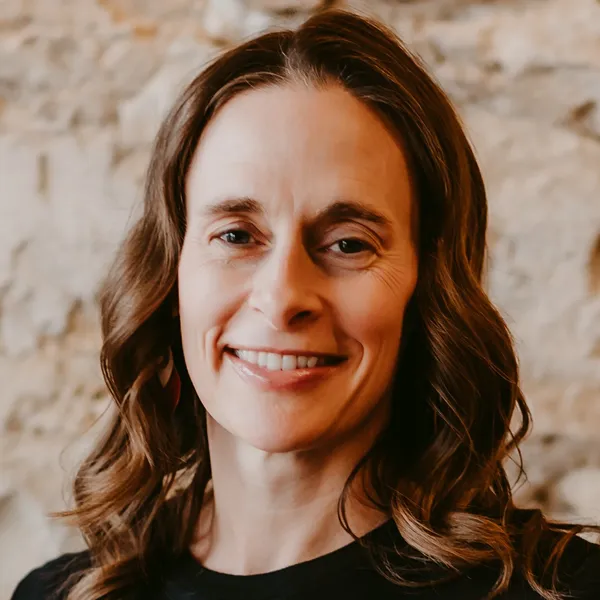
Undergrad: Graceland University
Graduate School: University of Missouri–Kansas City
Before pursuing post-graduate education, Dr. Heinrich graduated summa cum laude from Graceland University with a degree in psychology and sport science. She earned multiple honors that include the National Association of Intercollegiate Athletics Academic All-American recognition in track & field, academic and athletic scholarships, and multiple university awards. Before obtaining her PhD, Dr. Heinrich graduated summa cum laude with an MA in educational research and psychology, with an emphasis on sport and exercise psychology.
Dr. Heinrich is a health behavior researcher and educator with extensive experience leading funded public health and health psychology research. She is a Principal Investigator on an NIH-funded R01 with five years of funding and has led additional externally funded projects supported by the Sunflower Foundation of Kansas, the Robert Wood Johnson Foundation’s Active Living Research program, and the State of Hawaii. Before becoming an adjunct professor at Kansas State University, Dr. Heinrich worked as a professor at the University of Hawaii at Manoa and as a Senior Researcher at The Phoenix.
Across her research career, Dr. Heinrich has worked at the intersection of health psychology, public health, physical activity policy, and applied exercise interventions. Her research spans youth through older adults and includes diverse populations such as healthy and obese adults, cancer survivors, firefighters, military personnel, and policymakers. She has authored a substantial body of scholarly work, including 31 first-author and 38 senior/last-author peer-reviewed publications, with research appearing in journals such as Scientific Reports, the International Journal of Behavioral Nutrition and Physical Activity, JMIR mHealth and uHealth, Sports Medicine, and Biology. Dr. Heinrich’s work has also reached broad audiences through media and professional platforms. She has been interviewed by outlets including The New York Times, and Vox.
With 22 years of mentorship experience, Dr. Heinrich has a strong track record of mentoring students who have presented and published research, secured research funding, and gained admission to strong medical and graduate programs. She has also been a research mentor for the international organization ReachSci, helping students and faculty members from multiple underrepresented countries conduct and publish research in peer-reviewed journals.
As a research mentor, Dr. Heinrich is known for empowering her students throughout the research process by challenging them to learn and apply their practical and course knowledge, recognize their strengths, and extend kindness. She takes a structured approach to mentoring by first getting to know the student, their background, interests, and goals, and collaboratively developing a plan for their research with clear and specific deadlines. Students who Dr. Heinrich has supported in research have been accepted to Oklahoma State University, the University of Kansas Medical Center, Wichita State University, Tufts University, St. Mary's University, Michigan State University, the University of Central Missouri, and Kansas State University.
Dr. Heinrich helps students develop a passion for research by focusing on the simplicity of asking an important question and designing a research study to clearly answer it. She believes this approach equips future medical students with applied experiences that deepen critical thinking and enable them to translate knowledge beyond the classroom and into practice. Supporting students as they ask meaningful questions and generate new knowledge brings her joy.
Undergrad: Graceland University
Graduate School: University of Missouri–Kansas City
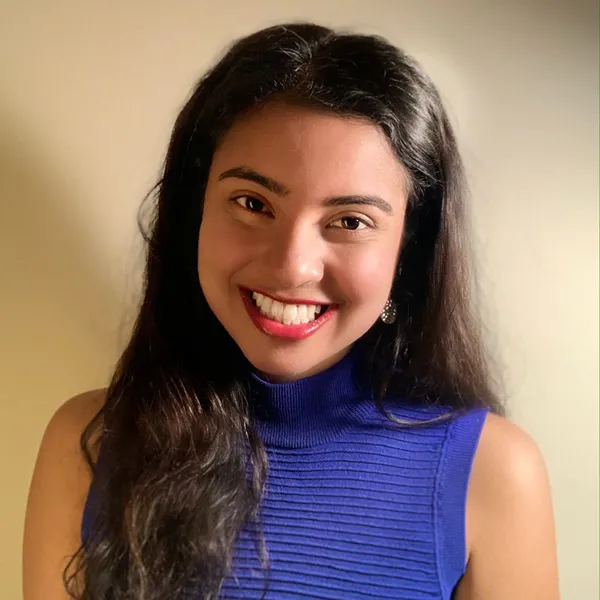
Undergrad: University of Illinois at Chicago
Medical School: University of Illinois College of Medicine at Chicago
Graduate School: University of Illinois at Chicago, Georgetown University
Dr. Sanku began her academic career at the University of Illinois at Chicago, where she earned a BS in neuroscience and an MPH in epidemiology and biostatistics. At Georgetown-NIH, her research focused on parasite–viral co-infection models and immune regulation in chronic infectious disease. During her doctoral training, she co-led an NIAID-funded COVID-19 project generating SARS-CoV-2–specific T cells and served as Lead Author on multiple peer-reviewed publications in Frontiers in Immunology.
While completing her doctoral studies, Dr. Sanku also worked as a consultant to the World Bank Group, where she contributed to flagship reports on pandemic preparedness, genomic surveillance, and health system resilience, including chapters on emerging infectious disease preparedness and One Health strategy. Her work has been presented at national and international conferences, including the American Society of Tropical Medicine and Hygiene, NIH-FDA symposia, the American Public Health Association, and Psychedelic Science. As a Medical Scientific Liaison with the Americas Health Foundation, Dr. Sanku has facilitated more than ten high-level expert conferences across Latin America, aligning oncologists and immunologists on evidence-based treatment strategies and policy priorities. Her peer-reviewed publications include first-author basic science work on helminth-derived extracellular vesicles and SARS-CoV-2 immune responses, as well as clinical and policy-focused expert consensus manuscripts in journals such as Cancer Control, Clinical Lymphoma, Myeloma & Leukemia, and ecancermedicalscience.
Dr. Sanku’s academic journey has been recognized with honors, including the Georgetown Bark Tank Entrepreneurship Finalist distinction, the NTI Biosecurity Challenge Winner Award, and the APHA Genomics Forum Outstanding Graduate Student Researcher Award. She was awarded the Georgetown-NIH Pre-Doctoral Scholarship and has received multiple honors at the University of Illinois, including the UIC Medical Scientist Training Program Award and the UIC School of Public Health Graduate Research Award.
Dr. Sanku is an experienced mentor to undergraduate, MPH, and early-career trainees across academic and policy environments, including mentoring summer interns at NIH NIAID and coaching conference presenters through the Intercollegiate Psychedelic Network. She guides students through literature synthesis, data analysis, and manuscript preparation with a structured yet empowering approach, and provides iterative feedback to help mentees build both technical skill and intellectual confidence. Students she has supported have been accepted to the University of Minnesota School of Medicine, the University of Miami School of Medicine, Harvard Kennedy School, NYU School of Public Health, and the University of Washington School of Medicine.
Dr. Sanku believes research is a discipline that sharpens analytical reasoning, intellectual integrity, and systems-level thinking. She has supported students in research projects spanning biostatistics, epidemiology, genomics, public health, health services, health policy, health economics, and behavioral and social sciences.
Having navigated competitive global health fellowships, international research appointments, and interdisciplinary scientific collaborations across four continents, Dr. Sanku is deeply committed to helping students chart ambitious yet strategic academic paths. She is particularly passionate about expanding access to research for students from diverse lived experiences, and about widening the pipeline so that the next generation of physician–scientists reflects the global communities they serve.
Undergrad: University of Illinois at Chicago
Medical School: University of Illinois College of Medicine at Chicago
Graduate School: University of Illinois at Chicago, Georgetown University

Undergrad: University of California, Davis
Graduate School: University of California, Davis
Before pursuing a PhD, Dr. Leckey earned dual bachelor’s degrees in psychology and neurobiology, physiology, and behavior from the University of California, Davis, where she was inducted into the Phi Kappa Phi Honors Society. After graduating, she worked as a Junior Specialist in the Memory and Development Lab, contributing to several longitudinal behavioral and MRI studies. She then completed her PhD at the University of California, Davis, where her research examined the neurological mechanisms and developmental trajectory of memory and metacognition from toddlerhood through adulthood.
Following the completion of her PhD, Dr. Leckey began working as a research scientist across multiple universities, including R1 institutions such as UC Davis and the University of Texas at Austin, as well as HBCUs, including the University of the District of Columbia and Morgan State University. Her work focuses on how students’ beliefs, learning environments, and psychological experiences influence academic achievement and long-term college success. She currently serves as Lead Research Scientist at UC Davis.
Dr. Leckey has authored publications in peer-reviewed journals, including Nature Communications, Nature Human Behaviour, Proceedings of the National Academy of Sciences (PNAS), Child Development, and NeuroImage, and has presented her work at national and international conferences such as the Society for Research in Child Development (SRCD), the American Educational Research Association (AERA), and the International Congress of Psychology. Her research spans cognitive psychology, neuroscience, education, and applied data science. She has extensive experience using tools such as R, Mplus, and survey platforms to analyze complex real-world datasets, and she has led and contributed to multi-year longitudinal studies involving thousands of students. Her work includes designing studies, cleaning and analyzing large datasets, interpreting results, and communicating findings through publications, reports, and presentations for both academic and public audiences.
With nine years of mentorship experience, Dr. Leckey has supported high school, undergraduate, and graduate students through every stage of independent research—from developing research questions and conducting literature reviews to designing studies, analyzing data, and preparing written and oral presentations. Students she has coached have successfully completed independent projects, gained confidence as researchers, and have been admitted to their chosen academic programs.
As a mentor, Dr. Leckey takes a collaborative and personalized approach, offering encouraging support while maintaining high academic rigor. She believes students learn best when they feel invested in topics, so she helps them refine ideas they genuinely care about while teaching structured research methods that make ambitious projects achievable. Dr. Leckey explains ideas in multiple ways, adapts explanations to each student’s learning style, and breaks intimidating research tasks into manageable steps. By combining clarity with enthusiasm, she helps students develop strong reasoning skills, clear writing, and confidence with data, ensuring they leave with a completed project and transferable scientific and critical-thinking skills.
Dr. Leckey is passionate about mentorship because she believes research empowers students to ask meaningful questions about the world and discover their academic identity. She enjoys helping students realize that research is not reserved for experts—it is a learnable process that rewards curiosity, persistence, and creativity.
Undergrad: University of California, Davis
Graduate School: University of California, Davis
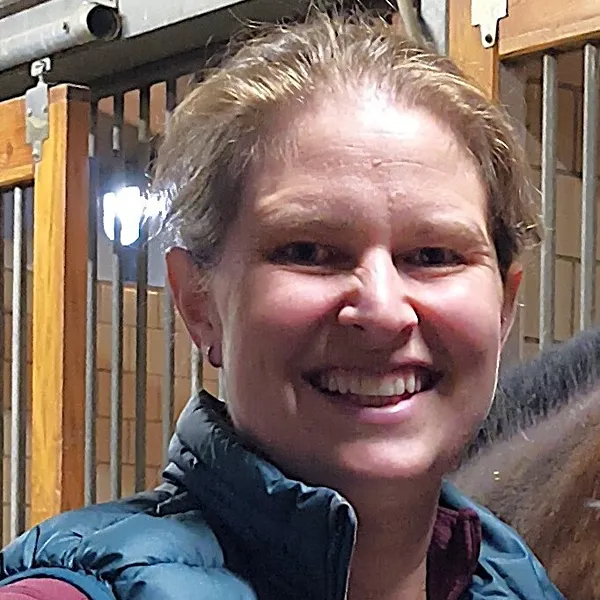
Undergrad: Cornell University
Vet School: Cornell University College of Veterinary Medicine
Graduate School: Cornell University
Across her training and career, Dr. Secor has built a wide-ranging research portfolio grounded in equine immunology and sports medicine. Before attending vet school, Dr. Secor earned a Bachelor's degree from Cornell University, graduating magna cum laude with distinction in research. During her undergraduate studies, Dr. Secor focused on equine neonatal immunology and successfully published a first-author paper describing the transfer of immune cytokines by colostrum to equine neonates.
Dr. Secor explored other research areas in vet school through several internship periods spent working with Nutramax Laboratories, exploring inflammatory markers in chondrocyte cultures and the effects of nutraceuticals and therapeutics on their production. During residency. She completed a Master's degree, shifting to clinical research through her study of an alternative technique for prosthetic laryngoplasty in the horse. During her PhD training, Dr. Secor combined her passion for immunology and brought it into equine sports medicine. Through her thesis entitled "Investigating Joint Pathophysiology Through Synovial Fluid Proteomics, Immune Cell Profiling, and Therapeutic Approaches in Equine Osteoarthritis," Dr. Secor discovered several promising diagnostic biomarkers, implicated several immune cell types in disease pathogenesis, and explored the effects of current and novel therapeutics.
Dr. Secor's work has been published in highly competitive journals, including the Equine Veterinary Journal, American Journal of Veterinary Research, and Veterinary Surgery. She has presented her work at many national and international professional conferences, including meetings of the American College of Veterinary Surgeons, North American Veterinary Regenerative Medicine Association, and Veterinary Comparative Research Society. Dr. Secor has won two separate awards for her outstanding poster presentations. Additionally, she was selected as the 2025 Grayson-Jockey Club Research Foundation Storm Cat Research Career Advancement Award Recipient.
Dr. Secor loves mentoring students and veterinary house officers, taking tremendous joy in watching them progress and succeed. She has served as an undergraduate and veterinary student research mentor at Cornell University, as well as a mentor and Principal Investigator through the Harvard University Undergraduate OpenBio Laboratory program. Dr. Secor has guided undergraduate and veterinary students through study design, data analysis, and scientific communication, and her mentees have gone on to programs including the University of California, Davis School of Veterinary Medicine, Ross University School of Veterinary Medicine, and Kansas State University.
Dr. Secor understands the complexities of navigating professional school applications alongside conducting high-quality research and can offer firsthand experience in balancing research, clinical aspirations, and making career shifts.
Undergrad: Cornell University
Vet School: Cornell University College of Veterinary Medicine
Graduate School: Cornell University
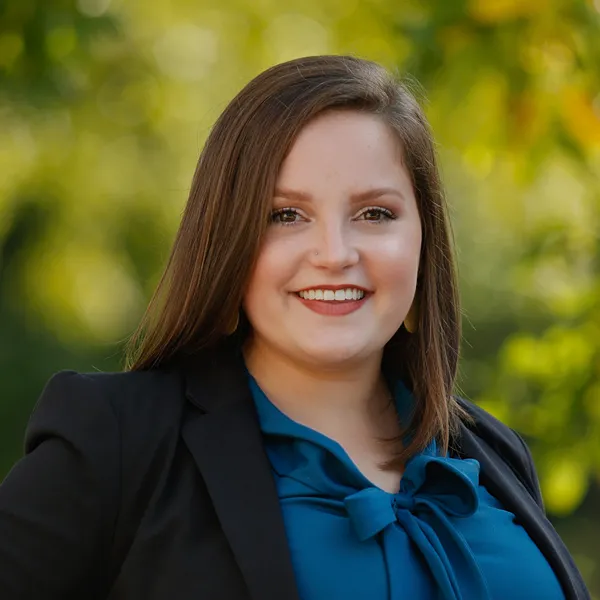
Undergrad: North Carolina State University
Graduate School: University of Virginia
Dr. Nowak began her academic journey at North Carolina State University, where she graduated summa cum laude with a BS in molecular, cellular, and developmental biology. She was a member of the University Honors Program, served as a tutor in the University Tutorial Center, and was actively involved in undergraduate research. Her early achievements were recognized with the People Helping People Scholarship from the State Employees’ Credit Union.
Throughout her research training, Dr. Nowak has developed strong expertise in preclinical cancer models, immunofluorescence imaging, flow cytometry, and quantitative image analysis. She has led projects investigating T cell distribution and activation within brain tumors, evaluated immune responses in murine models, and contributed to studies aimed at improving immunotherapeutic strategies. Her doctoral work focused on tumor immunology, immune cell dynamics, and advancing focused ultrasound technologies for brain tumor research.
Dr. Nowak’s work has resulted in presentations at national scientific meetings and peer-reviewed publications, including Neuro-Oncology Advances, Cancer Letters, and Cell Reports. Alongside her laboratory work, Dr. Nowak has built a strong foundation in scientific communication through her doctoral training, a competitive science writing internship at Virginia Commonwealth University, volunteer work with the Pet Cancer Foundation, and service as a copyeditor for the Journal of Emerging Investigators. These experiences strengthened her ability to translate complex scientific findings into clear, compelling narratives for both scientific and public audiences.
Dr. Nowak has mentored undergraduate and graduate trainees in experimental design, technical skill development, data analysis, and scientific writing. She has guided students through every stage of the research process—from developing a compelling research question and conducting thorough literature reviews to analyzing data and preparing abstracts, posters, and manuscripts. As a biomedical scientist and mentor with extensive training in translational research, she has supported students conducting research in cancer biology, tumor biology, immunology, and molecular biology.
As a research mentor, Dr. Nowak is known for her structured and personalized approach. She believes that strong research training begins with intellectual curiosity and is strengthened by organization, critical thinking, and communication. Her greatest strengths include breaking down complex scientific concepts into understandable components, helping students refine their academic writing, and teaching them how to think strategically about research impact. She emphasizes technical rigor, resilience, time management, and professionalism. Students frequently describe her as patient, detail-oriented, and deeply invested in their growth as independent thinkers.
Undergrad: North Carolina State University
Graduate School: University of Virginia
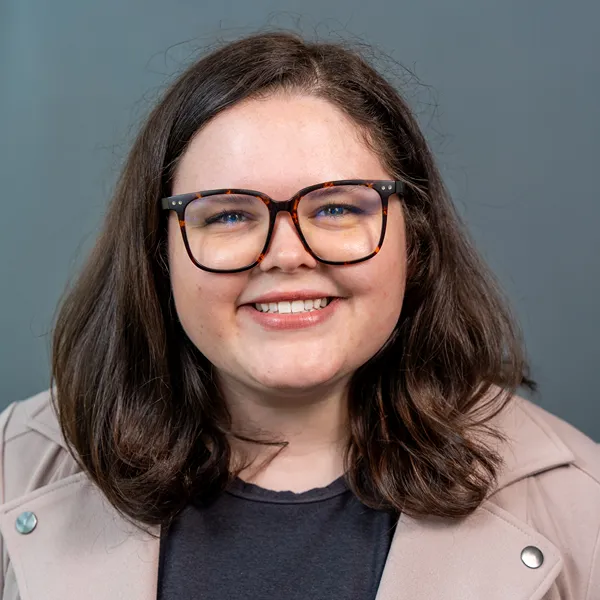
Undergrad: Erskine College
Graduate School: University of Tennessee Health Science Center
Before obtaining a PhD, Dr. Schneider began her academic career at Erskine College, where she graduated magna cum laude with a BS in biology and chemistry and a minor in psychology. She graduated with honors in biology for her thesis on developing an opioid agonist for a non-addictive pain reliever, completed in collaboration with an MD/PhD trainee at the Medical University of South Carolina. She also served as an undergraduate research mentor at Erskine College. This early scientific training set the stage for her successful career and her passion for developing the next generation of scientists.
Dr. Schneider served as a graduate research mentor at the University of Tennessee Health Science Center, and her dissertation work examined cholesterol modulation. She is now advancing translational research on how metabolic disorders influence cardiovascular disease at the University of Utah Cardiovascular Research and Training Institute. Dr. Schneider has published many papers in respected journals, including Biochimica et Biophysica Acta, Advances in Experimental Medicine and Biology, and the International Journal of Molecular Sciences. Her research spans biochemistry, molecular biology, cellular biology, biophysics, and whole-body physiology, all of which she has incorporated into her cardiovascular research. Her academic excellence has been recognized through awards such as the Frank W. Dugan Fellowship for Studies of the Causes and Cure of Cardiovascular Disease and the Fellows Biophysical Research Conference at the National Institutes of Health (BFRC-NIH) Travel Award.
Dr. Schneider has mentored students at multiple training levels, helping them write abstracts, co-author papers, deliver poster and oral presentations, and gain admission to undergraduate, graduate, and medical programs. Students she has mentored have been accepted to a wide range of undergraduate, graduate, research, and medical programs, including the University of Tennessee Health Science Center, St. Jude Children’s Research Hospital, Washington University, Johns Hopkins University, Duke University, the Medical University of South Carolina, the University of South Carolina Medical School, and Edward Via College of Osteopathic Medicine.
As a research mentor, Dr. Schneider’s passion for guiding the next generation of scientists stems from her own experiences. She draws on her own learning and growth to support students while recognizing that every learner is different. She invests in each student by learning about their background, interests, and goals so she can work alongside them to craft individualized research plans to reach those goals. Dr. Schneider’s background in tutoring and mentoring provides her with the knowledge and experience to help students succeed. She encourages students to pursue and conquer their dreams.
Undergrad: Erskine College
Graduate School: University of Tennessee Health Science Center
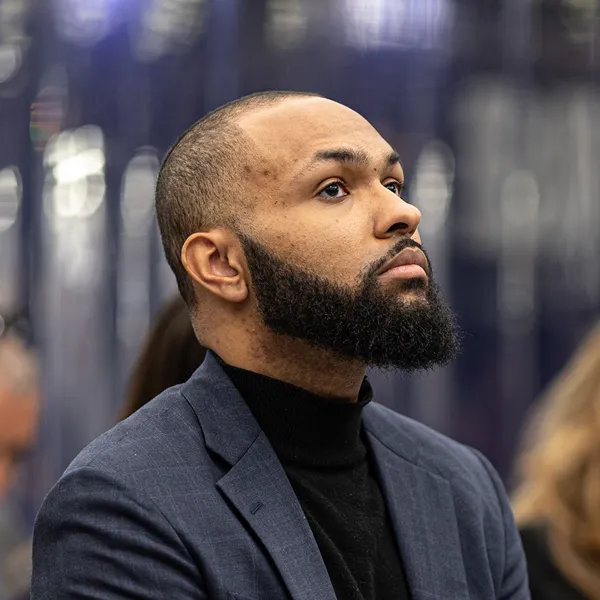
Undergrad: Lawrence University
Graduate School: Columbia University
Dr. Antrobus began his academic training at Lawrence University, where he earned a BA in biochemistry as a Posse Foundation Scholar, graduating with multiple Dean’s Awards for academic excellence. His early laboratory training in biochemistry included investigating the role of the protein angiogenin in cancer and blood vessel growth, which introduced him to rigorous experimental design, molecular analysis techniques, and translational biomedical research. This foundation sparked his interest in how fundamental biological mechanisms can be engineered into real-world therapeutic solutions. Dr. Antrobus further expanded his research experience through the National Science Foundation Research Experiences for Undergraduates program at the Milwaukee School of Engineering, where he conducted interdisciplinary research integrating bioengineering with material science.
During his graduate training, Dr. Antrobus’ research centered on designing high-performance biomaterials for tissue-engineering applications, including ligament and tendon regeneration, and on sustainable next-generation textile materials. His research has been published in Environmental Science Advances and Nature Communications Engineering, and has been featured in Netflix’s The Future Of and Discovery+’s Curb Your Carbon.
In addition to his academic work, Dr. Antrobus has contributed to translating biomaterials research into commercial ventures, including supporting the development of seaweed-based textile fibers that launched the startup AlgiKnit. He is also the Founder of a biotechnology startup, AceTech, leveraging the power of bacteria to develop biotextiles engineered with natural waterproofing and improved environmental performance to replace PFAS-coated garments.
Dr. Antrobus has mentored students across the high school, undergraduate, and early graduate levels, advising them in research development, abstract and poster preparation, and strengthening their scientific writing and analytical skills. He has worked as a research mentor at Columbia University and as a STEM academic mentor through the Armory College Preparation High School Program. He supports students in translating their ideas into structured research questions, designing experiments, and communicating their findings with clarity and confidence.
Dr. Antrobus’ passion for mentorship is rooted in the impactful guidance he received throughout his own training and his lived experience navigating environments where representation was limited. As an underrepresented scientist and entrepreneur, he has often found himself to be the only person of color in academic and innovation ecosystems. This experience has shaped his commitment to mentoring the next generation of researchers, including those from underrepresented backgrounds, ensuring they have access to the resources, confidence, and strategic guidance needed to thrive.
Dr. Antrobus has experience guiding students in research spanning biochemistry, bioengineering, and biomedical engineering. He invests in understanding each student’s background, interests, and long-term goals to develop research plans tailored to their academic level and aspirations. Dr. Antrobus’ strengths include guiding students through experimental design, critical analysis of scientific literature, data interpretation, and scientific communication. He cultivates a mentoring environment that is structured and adaptable, encouraging students to pursue their curiosity while grounding their work in clear frameworks and tangible next steps. Whether guiding a student through manuscript preparation, study design, or the development of their research question, he ensures each mentee leaves with clarity and confidence.
Undergrad: Lawrence University
Graduate School: Columbia University
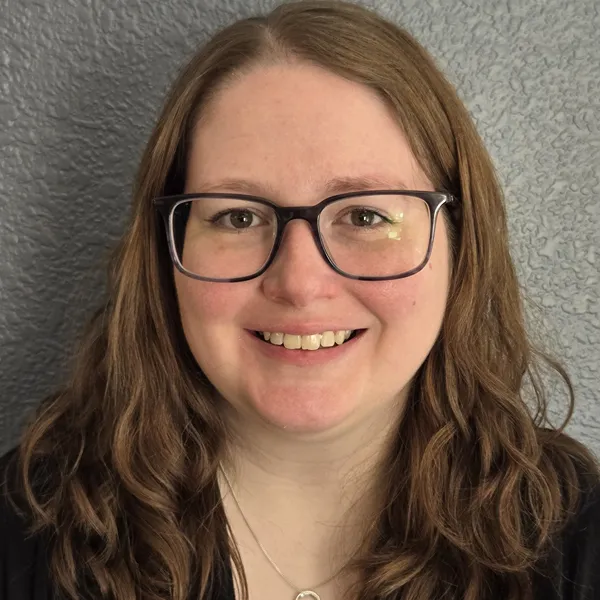
Undergrad: Georgia Institute of Technology
Graduate School: Texas A&M University College of Medicine
Before pursuing a PhD, Dr. Rees began her research career at the Georgia Institute of Technology, where she earned a degree in biology and gained early laboratory experience through undergraduate research. As a graduate researcher at Texas A&M University, Dr. Rees investigated the neurological consequences of 15q13.3 microdeletion syndrome using a homologous mouse model. Her dissertation, Characterization of the 15q13.3 Microdeletion and Its Effects on Neuronal Excitability, Astrocyte α7 nAChR Dynamics, and Neuroinflammation, examined how this genetic deletion alters hippocampal circuitry, astrocyte signaling, and inflammatory pathways.
Dr. Rees’ research integrated diverse experimental approaches, including genetically encoded calcium indicators, electrophysiology, cytokine profiling, and quantified cytokine and chemokine mRNA expression. She has authored five peer-reviewed publications—four from her graduate work and one from her undergraduate research—in reputable journals such as Cytokine, Brain Research, and Genetics. She is currently preparing additional manuscripts for publication and has presented her research multiple times at the Society for Neuroscience national conference.
With 10 years of research mentorship experience, Dr. Rees is known for creating a structured, supportive environment that helps students build both competence and confidence. She has mentored undergraduate and master’s students in laboratory techniques, experimental design, and data analysis. She has expertise in guiding students in research spanning genetics, immunology, molecular biology, and neuroscience.
Dr. Rees believes that effective mentorship is built on a strong relationship grounded in shared clarity about the research process and the student’s goals. She prioritizes developing a collaborative working relationship with each student, taking time to understand their learning style, strengths, growth areas, and goals. She guides students through the research process in a structured, supportive way that builds both competence and confidence. Many of Dr. Rees’ mentees have gone on to medical school, graduate programs, and other professional pathways.
Undergrad: Georgia Institute of Technology
Graduate School: Texas A&M University College of Medicine
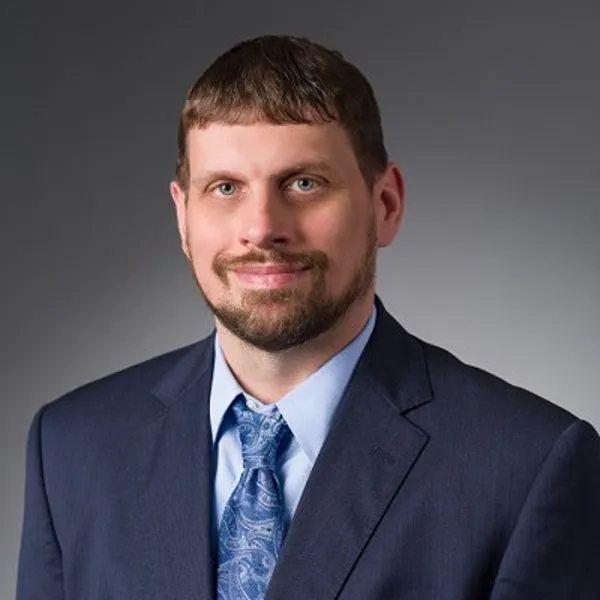
Undergrad: Park University
Graduate School: Texas A&M University, University of Houston
Dr. Berry began his academic training at Park University, where he earned a degree in chemistry. He then completed a teaching certificate at the University of Central Missouri before graduating with an MBA with a concentration in accounting at Texas A&M University. Dr. Berry was awarded the Larry and Phyllis Hughes Award for Leadership Studies Endowment while completing his PhD.
While completing his PhD at the University of Houston, Dr. Berry served as a research mentor. In this role, he researched utilizing machine learning techniques to analyze student data and to identify motivation from student responses. He currently teaches quantitative analysis, survey design, and analysis in R and Python at Baylor University.
Dr. Berry also serves as a research mentor and consultant to students interested in conducting research, with an emphasis on study design, methodology, and data analysis. With five years of mentorship experience, Dr. Berry holds advanced training in education and a proven record of helping students, institutions, and clients make informed decisions through clear communication, thoughtful analysis, and a dedicated commitment to excellence. Students Dr. Berry has mentored have pursued opportunities at institutions including Baylor College of Medicine, Cornell University, and Harvard University.
Dr. Berry’s achievements reflect a career built on student growth and success. Whether assisting students, working with faculty, or conducting cutting-edge research, he is dedicated to providing thoughtful support and dependable results.
Undergrad: Park University
Graduate School: Texas A&M University, University of Houston
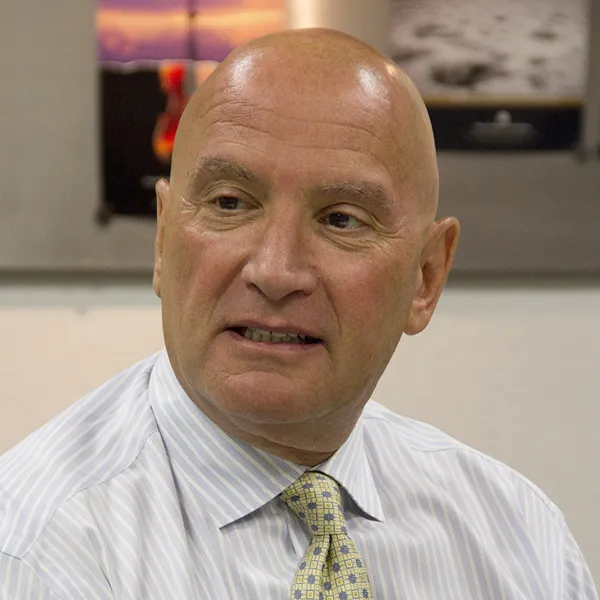
Undergrad: University of Illinois
Medical School: University of Miami Miller School of Medicine
Graduate School: University of Illinois Medical Center
Dr. Schlager earned a BS from the University of Illinois before completing an MS in microbiology and a PhD in immunology at the University of Illinois Medical Center, where he was recognized with the Milan V. Novak Prize in Microbiology. He completed postdoctoral training at the National Cancer Institute at the National Institutes of Health before earning an MD and completing an internal medicine residency.
Dr. Schlager has extensive experience designing and conducting clinical studies as a liaison to principal investigators and clinical study sites, leading project planning and execution, and supporting regulatory filings across Phase I–IV trials. Over the past decade, he has led teams that successfully filed six New Drug Applications (NDA) or Biologics License Applications (BLA), with therapeutic experience spanning oncology and hematology, cardiovascular disorders, pulmonary diseases, allergy and infectious diseases, gastroenterology, CNS disorders, rare diseases, rheumatology, and biosimilars.
For over 20 years, Dr. Schlager has served as Senior Clinical Director at Therapeutic Window LLC, partnering with pharma/biotech organizations and medical education and communications groups to develop high-quality clinical and scientific content and program structures for live meetings and enduring materials across print, video, and digital media. He has extensive leadership experience in medical affairs, competitive intelligence, business development, pharmacovigilance, and health economics and outcomes research.
Dr. Schlager has mentored trainees at the MS and PhD levels as a graduate student mentor at the University of Notre Dame and brings a structured, practical approach to guiding students through study design, scientific writing, and translating ideas into publishable work. Students he has supported have gone on to programs and institutions including Loma Linda University School of Medicine, Fred Hutchinson Cancer Center, Loyola University Chicago, and the University of Puerto Rico School of Medicine.
Undergrad: University of Illinois
Medical School: University of Miami Miller School of Medicine
Graduate School: University of Illinois Medical Center
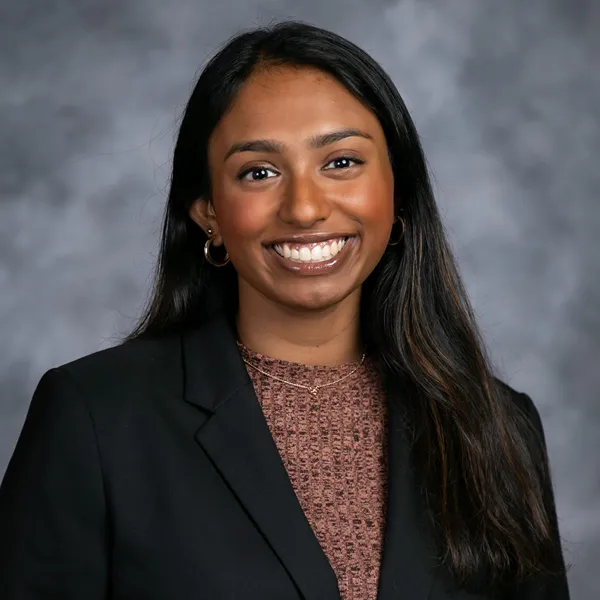
Undergrad: Washington University in St. Louis
Medical School: Northwestern Feinberg School of Medicine
Graduate School: Northwestern University
At WashU in St Louis, Dr. Pedamallu studied computational biology and healthcare management, laying the foundation for her training at the intersection of clinical medicine, population health, and health systems research. During medical school, Dr. Pedamallu developed a robust research portfolio centered on cardiometabolic disease, women’s health, and disparities in cardiovascular prevention. Her work leveraged large longitudinal cohorts and national datasets, including CARDIA, MASALA, MESA, PRAMS, and CDC WONDER, and applied advanced epidemiologic and biostatistical methods to study inequities in cardiac rehabilitation utilization, subclinical cardiovascular disease, and early cardiometabolic risk factor progression.
Dr. Pedamallu’s scholarly work has resulted in multiple peer-reviewed publications, including first-author papers and invited commentaries in JAMA Internal Medicine, with additional manuscripts under review in leading cardiovascular journals. She has presented her research at national and international conferences, including the American Heart Association Scientific Sessions, where her work has highlighted persistent gender-, race-, and insurance-based inequities in cardiovascular risk assessment and recovery. With expertise in cardiovascular epidemiology, health equity, and translational outcomes research, her work focuses on understanding how social disadvantage, sex-specific biology, and life course exposures shape long-term cardiovascular health, with the goal of informing earlier, more equitable prevention and care. Her research is motivated by the gap between guideline-based prevention and real-world access, especially among women and underserved populations.
In addition to her academic work, Dr. Pedamallu is deeply committed to mentorship and community engagement. She was a Schweitzer Fellow, through which she designed and implemented a community-based health education program focused on improving cardiovascular and chronic disease health literacy among South Asian immigrant communities. This experience reinforced her commitment to culturally informed care and community-partnered approaches to prevention.
Dr. Pedamallu has mentored undergraduate, post-baccalaureate, and medical trainees through all stages of the research process, from study design and data analysis to abstract preparation and manuscript development. She has supported students through the research process in areas such as behavioral & social sciences in health, epidemiology, genetics, genomics, health policy, health economics, public health, and health services and outcome research.
Students who Dr. Pedamallu has coached have been accepted to programs at Vanderbilt University, Washington University in St. Louis, Northwestern University, the University of Illinois, Tulane University, and George Washington University. Her mentorship style is structured, supportive, and highly individualized, emphasizing clarity, rigor, and trainee ownership while helping mentees connect research experiences to broader clinical and career goals.
Undergrad: Washington University in St. Louis
Medical School: Northwestern Feinberg School of Medicine
Graduate School: Northwestern University
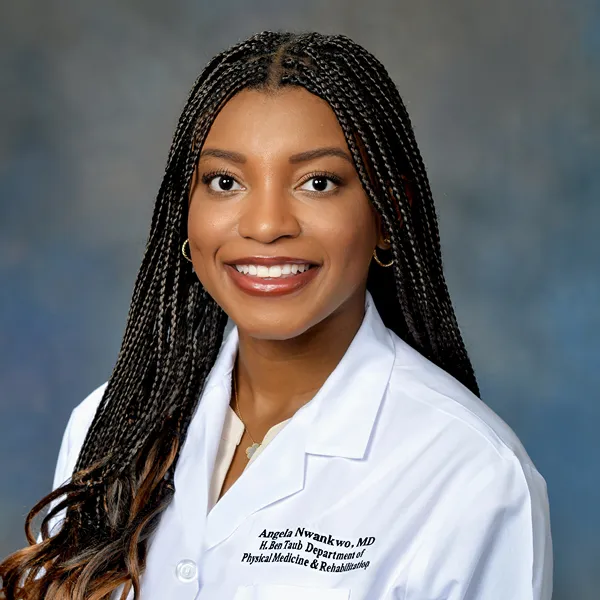
Undergrad: University of Missouri-Kansas City
Medical School: University of Missouri-Kansas City School of Medicine
Dr. Nwankwo is a physical medicine & rehabilitation (PM&R) resident at Baylor College of Medicine and plans to pursue a pain medicine fellowship. She completed the combined BA/MD program at the University of Missouri-Kansas City (UMKC) School of Medicine, earning a degree in biology and chemistry, and graduating with departmental distinction in academic excellence from the School of Biological and Chemical Sciences.
Throughout her training, Dr. Nwankwo has been an active clinical researcher and presenter. She has delivered posters and podium presentations at the Texas Pain Society Annual Meeting and the American Society of Interventional Pain Physicians (ASIPP) conference, exploring topics such as combination closed-loop and dorsal root ganglion stimulation for cancer-related pain, scrambler therapy for chemotherapy-induced peripheral neuropathy, and temporary peripheral nerve stimulation for greater occipital neuralgia. She also serves as Co-Investigator on a multicenter trial evaluating novel neuromodulation devices in oncology rehabilitation.
As a mentor, Dr. Nwankwo specializes in an individualized coaching style, helping students at every step of the research process. Dr. Nwankwo is deeply passionate about equity in medicine and empowering the next generation of healthcare leaders through thoughtful, strategic guidance.
Undergrad: University of Missouri-Kansas City
Medical School: University of Missouri-Kansas City School of Medicine

Undergrad: Creighton University
Medical School: Creighton University School of Medicine–Phoenix
Before attending medical school, Dr. Reeson graduated summa cum laude with a BS in neuroscience and a departmental award for exceptional performance from Creighton University. She was awarded the competitive, paid Summer Undergraduate Research Fellowship by the Creighton University Chemistry Department and was elected into Alpha Sigma Nu and the Phi Beta Kappa Honor Society. Her undergraduate work was supported by multiple travel research scholarships, allowing her to present her findings at scientific meetings and gain early exposure to academic medicine. Dr. Reeson also held a paid research position within Nebraska Medicine’s Department of Neurological Sciences, where she studied the neurobiology of children with hearing loss. This experience strengthened her foundation in translational research and reinforced her interest in clinically meaningful, outcomes-driven scholarship.
As a medical student, Dr. Reeson was selected for a highly competitive, paid research fellowship within Stanford Medicine’s Department of Orthopaedic Surgery, where she developed advanced skills in clinical research design, data analysis, and academic writing—skills that allowed her to rapidly transition to independently leading research projects. Dr. Reeson received numerous awards in medical school, including the Creighton University School of Medicine Academic Merit Scholarship, the Medical Dean’s Magis Scholarship Award, and the Ruth Jackson Orthopaedic Society Medical Student Scholarship Award.
As a medical student at Creighton University School of Medicine–Phoenix Campus, Dr. Reeson conducted extensive research across orthopedic surgery, urology, general surgery, and biomedical engineering. She collaborated with Arizona State University, Phoenix Children’s Hospital, Mayo Clinic Arizona, and Creighton University School of Medicine, leading projects from concept and IRB approval through data analysis, manuscript preparation, and submission. Her work has resulted in numerous first-author publications in top-tier, peer-reviewed journals and multiple awards for podium and poster presentations at both local and national scientific meetings. Her research aptitude was recognized early by faculty mentors, one of whom described her as “a medical student operating at a level far beyond most residents.”
Dr. Reeson has over 20 publications in multiple journals, including the Journal of Bone and Joint Surgery, the Journal of Urology, the American Journal of Surgery, and others. She has been the Lead Author on four published articles, four currently under review, and eight ongoing research projects. She also won First-Place Poster at the Association of Women Surgeons Southwest Regional Conference.
Dr. Reeson has led and supervised more than 15 research projects and is deeply passionate about mentoring students pursuing research, particularly those aiming for competitive specialties or training at institutions with limited research infrastructure. Having navigated these challenges, she excels at helping students develop high-yield research questions, design feasible studies, write publication-ready manuscripts, and successfully present their work. Her greatest strength as a research mentor is her ability to transform what often feels like an intimidating research process into straightforward, achievable goals, using language accessible to beginners. Her mentorship philosophy centers on meeting students exactly where they are—regardless of prior research experience—and providing the structure, clarity, and support needed to succeed.
Dr. Reeson has mentored numerous students in research and is highly attuned to the challenges novice researchers face. Students she has mentored have been accepted to multiple prestigious medical institutions, including Creighton University School of Medicine, University of Iowa School of Medicine, Nebraska Medicine, University of Arizona College of Medicine, Tufts University School of Medicine, Loyola Chicago Medicine, Northwestern University Feinberg School of Medicine, the University of Kansas School of Medicine, and others. She has experience guiding students in research spanning topics in biomedical engineering, chemistry, and neuroscience.
Passionate about coaching students, Dr. Reeson understands the power of high-quality clinical research and the confidence it can instill early in a career. She is particularly committed to showing students that meaningful research productivity does not require stepping away from training for years at a time. Having successfully integrated research into her undergraduate education, medical school, and residency without delaying her career, she is an expert in helping students build sustainable research productivity within demanding schedules.
Undergrad: Creighton University
Medical School: Creighton University School of Medicine–Phoenix
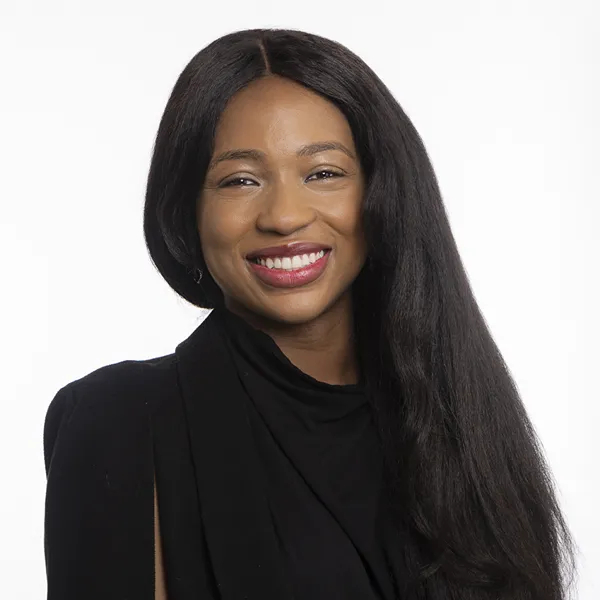
Undergrad: University of Chicago
Graduate School: Loyola University Chicago, King’s College London
Dr. Hill’s academic journey began at the University of Chicago, where she earned a BS in microbiology, completed advanced coursework in molecular genetics and bioinformatics, and received recognition for research presentations on microbiome analysis. Her early research focused on characterizing the human microbiome across diverse clinical contexts, including investigations into the commensal urinary microbiome and its association with response to Bacillus Calmette-Guérin (BCG) immunotherapy in non-muscle-invasive bladder cancer. This body of work, published in journals such as Journal of Clinical Oncology, the Journal for Immunotherapy of Cancer, Cancer Research, and the Journal of Urology, contributed to emerging evidence that microbial community composition may influence immunotherapy outcomes.
Additionally, Dr. Hill has co-authored work examining the gut microbiome in the context of maternal mental health, published in Biological Psychiatry. Her research contributions also extend to broader discussions of probiotics and microbiome therapeutics, as well as collaborative clinical imaging studies investigating predictors of breast cancer treatment response. She completed her PhD in host–microbiome interactions, where her work focused on modeling antimicrobial resistance gene mobility across longitudinal human cohorts using high-performance computing, statistical modeling, and bioinformatics pipeline development. Dr. Hill has been supported by numerous scholarships and awards throughout her educational journey, including the Odyssey Scholar Award, New Venture Scholar Award, Paris European Civilization Study Abroad Scholarship, and Marine Biological Laboratory Course Scholarship.
Dr. Hill’s research integrates wet-lab experimentation with computational genomics and clinical data analysis. Her work has involved whole-genome sequencing, resistome characterization, mobile genetic element annotation, and the development of Markov-based models to predict antimicrobial resistance dynamics. She has extensive experience analyzing high-dimensional datasets in R and Python, building reproducible pipelines, and translating complex genomic findings into clinically meaningful insights that inform future therapeutic strategies.
Dr. Hill also brings strong experience at the intersection of research operations and education. She has worked as a Clinical Research Coordinator at the University of Chicago, an experience that strengthened her ability to connect bench research with patient-centered outcomes. This approach continues to shape her work as she pursues a career as a physician–scientist in gastroenterology at the University of Vermont College of Medicine.
Dr. Hill has extensive teaching and mentorship experience across diverse learning environments. She has taught anatomy and physiology at the undergraduate level, served as a Lead Instructor for Correlation One in data analytics and programming, and developed and delivered an original microbiome curriculum for high school students in London. She has mentored Master’s students in laboratory and computational research, guiding them through experimental design, troubleshooting, data interpretation, and scientific writing. Students who Dr. Hill has mentored have been accepted to institutions including the University of Chicago, Yale University, King’s College London, and NYU.
As a research mentor, Dr. Hill combines rigor with approachability. She emphasizes conceptual mastery, mechanistic reasoning, and scientific storytelling. Her mentorship style is highly structured yet individualized, helping students identify meaningful research questions, conduct comprehensive literature reviews, analyze data confidently, and communicate findings with clarity. She believes that research training builds resilience, intellectual independence, and critical thinking, skills that extend far beyond the laboratory.
With 10 years of mentorship experience, Dr. Hill is especially passionate about supporting students who are pursuing medicine and biomedical research. Having navigated advanced research training and medical education, she understands the challenges of balancing scientific ambition with long-term career planning. She is committed to helping students build confidence, develop a strong research identity, and produce work that meaningfully strengthens their academic trajectory.
Undergrad: University of Chicago
Graduate School: Loyola University Chicago, King’s College London
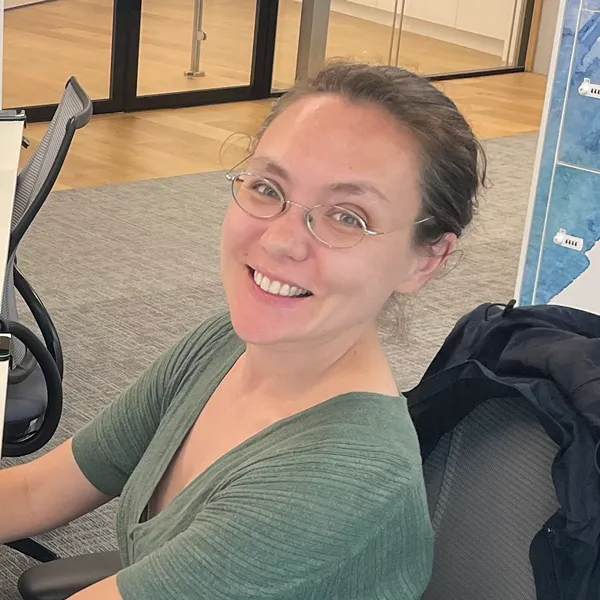
Undergrad: Bryn Mawr College
Graduate School: University of California, Los Angeles
Dr. Coveleskie’s graduate work at UCLA led to scientific publications and extensive conference participation, reflecting her enthusiasm for sharing research and engaging with the broader scientific community. Since completing her PhD, Dr. Coveleskie has remained at the forefront of research and innovation at the intersection of clinical research and technology. She worked as a Clinical Research Scientist at Science 37 and later as a Program Manager for Clinical Technology Innovations at Vertex Pharmaceuticals. She has developed and implemented endpoints for clinical research trials in dermatology, neurology, psychiatry, cystic fibrosis, and other rare diseases. Her work has influenced National Institutes of Health guidelines, standard operating procedures, and the patient experience when it comes to technology use for decentralized clinical trials.
Throughout her career, Dr. Coveleskie has maintained a strong commitment to teaching and mentorship. She spent years at UCLA working with undergrads (particularly pre-meds) and graduate and medical students as a mentor in her research lab. She also taught undergraduate neuroscience courses. Students who Dr. Coveleskie has mentored have gone on to become MDs, DOs, dentists, and successful PhD researchers themselves.
Dr. Coveleskie has experience mentoring students in research topics spanning behavioral and social sciences in health, molecular biology, neuroscience, physiology, and integrative biology. One of her greatest strengths is helping young researchers discover and develop their own passions and interests. Her goal is to show others how the foundations of research can serve as building blocks for success in any career or life path.
Undergrad: Bryn Mawr College
Graduate School: University of California, Los Angeles
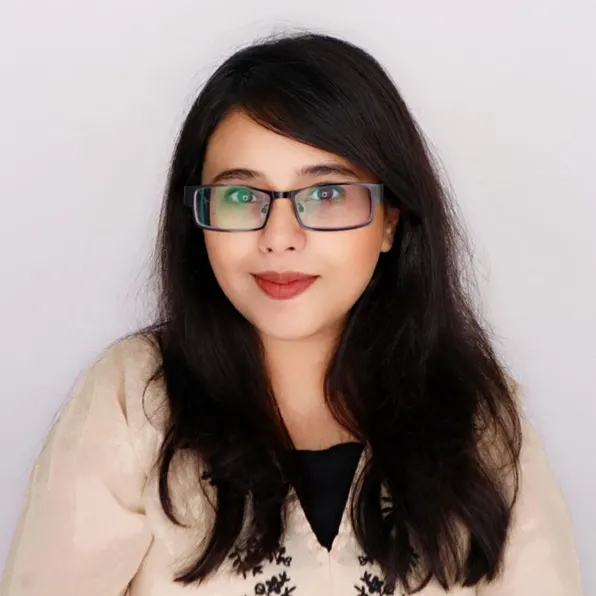
Dr. Shahab is one of the few researchers who can perform a high-stakes craniotomy in the morning and debug a Python-based Bayesian optimization script in the afternoon. She loves working at the 'wet-ware' to 'software' interface, ensuring that the AI’s predictions aren't just mathematically sound, but biologically grounded.
Dr. Shahab began her academic training at West Bengal University of Technology, where she earned a Bachelor’s of Technology in biotechnology and bioinformatics. She then completed a Master’s degree in molecular biotechnology at Wayne State University and was awarded the Interdisciplinary Bioscience Fellowship through the Wayne State University School of Medicine. Throughout graduate training, she also received additional recognition, including the Rumble Fellowship and a Wayne State University Publication Award, and she later earned a University of Michigan Professional Development Award.
During her PhD training, Dr. Shahab independently led a five-year research program focusing on the mechanisms of cisplatin-induced ototoxicity. Bridging the gap between traditional wet-lab research and modern computational engineering, she recently completed a prestigious Applied Machine Learning certification at Columbia University, mastering neural networks, deep learning, and data visualization. A prolific researcher and leader, Dr. Shahab was a key contributor to a $1.7M National Institutes of Health grant. Recognized as an invited peer reviewer for Nature Portfolio —Communications Biology and Frontiers in Pharmacology, Dr. Shahab is dedicated to accelerating scientific discovery through reliable, interpretable, and safe AI systems.
Dr. Shahab has established a distinguished career at top-tier institutions, including the University of Michigan, Memorial Sloan Kettering Cancer Center, and Wayne State University. She has worked as a graduate research assistant and undergraduate mentor for Wayne State University’s Department of Pharmacology, as a research scholar in translational oncology at Memorial Sloan Kettering Cancer Center, and as a postdoctoral researcher and lecturer at the University of Michigan. Dr. Shahab has authored six peer-reviewed publications, with her work appearing in Hearing Research, Molecular Neurobiology, Toxicology and Applied Pharmacology, and other publications.
As a postdoctoral researcher at the University of Michigan, Dr. Shahab serves as a critical bridge between biological domain expertise and machine learning objectives. She has pioneered the implementation of real-time Bayesian optimization frameworks to map high-dimensional neural response spaces, achieving a 95% reduction in experimental iteration time while ensuring outputs remain biologically sound. Her previous tenure at Memorial Sloan Kettering Cancer Center involved integrating multi-omics data and real-world evidence (RWE) to identify therapeutic targets for soft tissue sarcomas, specifically desmoid-type fibromatosis.
With 10 years of mentorship experience, Dr. Shahab has mentored 250+ students in research spanning biochemistry, bioengineering, cancer biology, computational biology, genetics, neuroscience, pharmacology, data science, and many other disciplines. Students she has mentored have been accepted to programs including Wayne State University, Michigan State, the University of Michigan Medical School, Rockefeller University, Johns Hopkins University, Rutgers University, and the University of California, Santa Barbara.
Dr. Shahab is known for her structured, supportive guidance. She has consistently mentored undergraduates and summer research students across her academic and clinical research roles, helping trainees build skills in study design, literature gap analysis, data interpretation, and scientific communication.
Dr. Shahab is one of the few researchers who can perform a high-stakes craniotomy in the morning and debug a Python-based Bayesian optimization script in the afternoon. She loves working at the 'wet-ware' to 'software' interface, ensuring that the AI’s predictions aren't just mathematically sound, but biologically grounded.
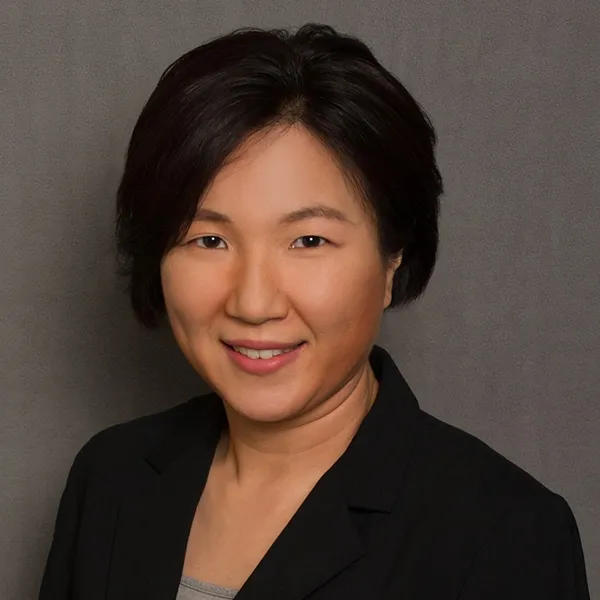
Undergrad: Ewha Womans University
Medical School: Michigan State University College of Osteopathic Medicine
Graduate School: Case Western Reserve University/Cleveland Clinic
Dr. Zaslavsky earned a Bachelor of Science in biology with minors in chemistry and Bioinformatics from Ewha Womans University in Seoul, South Korea, where her interest in translational medicine first took shape. She then began her research career at the University of Pennsylvania as a research specialist in cancer biology, investigating novel therapeutic strategies for sarcoma. She later completed her PhD, focusing on innate host defense mechanisms in gastroenterology. Before medical school, she completed postdoctoral training at the Cleveland Clinic Lerner Research Institute.
At Michigan State University College of Osteopathic Medicine, Dr. Zaslavsky received numerous honors and awards, including the Dean’s Discretionary Scholarship. She also worked as a researcher at the Michigan State University Institute of Global Health while pursuing her DO. Dr. Zavlasky currently works as a research mentor and medical writer, dedicated to training and inspiring future physicians.
Dr. Zavlasky’s research experience spans basic science and translational research in cell and molecular biology, oncology, gastroenterology, immunology, glycobiology, and epidemiology. She has authored publications in journals including Blood, the International Journal of Cancer and Radiation Oncology, Gastroenterology, Matrix Biology, and Frontiers in Immunology, and has presented her findings at national conferences including the Gordon Research Conferences and Matrix Biology meetings, where she received awards for both poster and oral presentations.
With 10 years of mentorship experience, Dr. Zavlasky has mentored students at all levels, including high school, undergraduate, graduate, and medical students, at institutions such as the University of Pennsylvania, the Cleveland Clinic, and MSUCOM. Many of her mentees have published manuscripts and presented at academic conferences. Her mentorship philosophy focuses on guiding students in discovering their passions, developing scientific thinking and writing skills, and connecting their research experiences to future roles as physician-scientists.
Dr. Zavlasky’s passion for mentoring pre-medical students stems from her belief that empowering future physician-scientists will ultimately strengthen the bridge between laboratory discoveries and patient outcomes. She views research as a fundamental training ground for critical thinking, problem-solving, and resiliency. In addition to her scientific background, Dr. Zaslavsky brings a human perspective to mentorship. As a mother and someone who has navigated complex academic and career transitions, she understands the pressures students face and actively helps them manage stress and build confidence throughout their journey.
Undergrad: Ewha Womans University
Medical School: Michigan State University College of Osteopathic Medicine
Graduate School: Case Western Reserve University/Cleveland Clinic
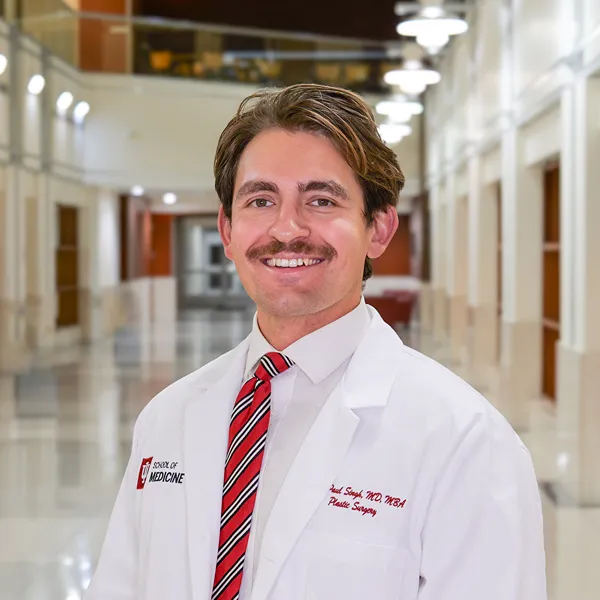
Undergrad: University of Alabama
Medical School: University of Alabama Heersink School of Medicine
Graduate School: University of Alabama at Birmingham
Dr. Singh has led dozens of research projects to fruition, resulting in over 60 peer-reviewed publications across plastic surgery, hand surgery, urology, orthopaedic surgery, health economics, and medical education, and more. He has received funding from the National Institutes of Health for his work, and his research has been published in high-impact journals, clinical papers, perspective pieces, cost-effectiveness analyses, and outcomes research. He has been published in the Journal of Surgical Oncology, Plastic and Reconstructive Surgery–Global Open, the Journal of Plastic, Reconstructive & Aesthetic Surgery, and many other journals.
Dr. Singh has presented 100+ poster and podium presentations, including major national specialty meetings such as the American Society of Plastic Surgeons and the Plastic Surgery Research Council. His work has also been featured in Plastic and Reconstructive Surgery, The PlasticsFella, and UAB News. He has received multiple academic honors, including Best Presentation at Indiana University Plastic Surgery Research Day and a Top 25 Poster Award at the ASPS Annual Meeting. He is also the founder of multiple institutional research groups and the Founder and CEO of Sky Research LLC, a research collaboration and productivity platform designed to streamline academic project management, authorship tracking, and multi-institutional research teams.
With over a decade of mentorship experience, Dr. Singh has led and mentored large, multidisciplinary research groups and supported hundreds of trainees across institutions from project conception through publication. Students he has mentored have been accepted to programs at Baylor College, Johns Hopkins University, Cornell University, the University of Michigan, Duke University, Washington University in St. Louis, Colorado University, the University of Alabama at Birmingham, and many others.
Dr. Singh’s approach emphasizes strategic clarity, efficiency, and rigor, helping individuals translate ideas into high-quality, publishable work. He views research not only as scholarly output but as a powerful vehicle for professional growth, leadership development, and long-term impact.
Undergrad: University of Alabama
Medical School: University of Alabama Heersink School of Medicine
Graduate School: University of Alabama at Birmingham
Undergrad: Northern Illinois University
Graduate School: Rosalind Franklin University of Medicine and Science, Rush University
Before pursuing two Master’s degrees and a PhD, Dr. Brown graduated with University Honors in health sciences from Northern Illinois University, with concentrations in pre-medicine and pre-physical therapy, and minors in biological sciences and chemistry. Her PhD dissertation explores how mindfulness and perceived stress influence physical activity in individuals with metabolic syndrome. Across her academic journey, Dr. Brown’s achievements have been recognized with numerous awards, including the Most Outstanding Student Dean’s Award, the Barack Obama Award, and multiple Dean’s List honors and academic scholarships.
Dr. Brown has substantial research experience spanning molecular biology, public health, behavioral health, and health equity. Her work includes studying collagen-hybridizing peptides to detect denatured collagen in conditions like arthritis, investigating mechanisms of glycation in diabetic retinopathy among minority populations, and participating in community-based health interventions focused on weight loss and cancer prevention. She served as a Student Editor-in-Chief at Rush University, where she reviewed and synthesized emerging scientific literature for faculty, clinicians, and researchers.
Dr. Brown’s scholarly output includes several peer-reviewed manuscripts in progress on adverse childhood experiences, mindfulness, stress, and physical activity. She also writes op-eds addressing healthcare disparities and gender equity in global health contexts. She has presented her research at institutions such as Rush University, Northwestern University, the University of Illinois, and the University of Chicago. Additionally, she has delivered invited talks on health equity, COVID-19, access to care, and diversity in healthcare to academic, nonprofit, and community audiences.
In addition to her role as a Rush University adjunct professor and instructor, Dr. Brown has extensive mentoring experience through the Minority White Coat Foundation. In this role, she serves as an instructor and tutor, leading STEM workshops, tutoring core science courses, and supporting students in test preparation.
Dr. Brown excels at translating complex research concepts into accessible learning experiences, providing structured guidance through the research process, and empowering students to see themselves as scientists and scholars. Her mentorship approach is student-centered, culturally responsive, and focused on building confidence, critical thinking, and research literacy. She emphasizes goal setting, skill development, and professional identity, helping students navigate research opportunities, academic pathways, and careers. Students Dr. Brown has mentored in research have been accepted to Spelman College, the University of Illinois, Johns Hopkins, and Rush University.
Undergrad: Northern Illinois University
Graduate School: Rosalind Franklin University of Medicine and Science, Rush University


.svg)

