Get in touch: +1 888 453 5021



Dr. Shahab is one of the few researchers who can perform a high-stakes craniotomy in the morning and debug a Python-based Bayesian optimization script in the afternoon. She loves working at the 'wet-ware' to 'software' interface, ensuring that the AI’s predictions aren't just mathematically sound, but biologically grounded.
Dr. Shahab began her academic training at West Bengal University of Technology, where she earned a Bachelor’s of Technology in biotechnology and bioinformatics. She then completed a Master’s degree in molecular biotechnology at Wayne State University and was awarded the Interdisciplinary Bioscience Fellowship through the Wayne State University School of Medicine. Throughout graduate training, she also received additional recognition, including the Rumble Fellowship and a Wayne State University Publication Award, and she later earned a University of Michigan Professional Development Award.
During her PhD training, Dr. Shahab independently led a five-year research program focusing on the mechanisms of cisplatin-induced ototoxicity. Bridging the gap between traditional wet-lab research and modern computational engineering, she recently completed a prestigious Applied Machine Learning certification at Columbia University, mastering neural networks, deep learning, and data visualization. A prolific researcher and leader, Dr. Shahab was a key contributor to a $1.7M National Institutes of Health grant. Recognized as an invited peer reviewer for Nature Portfolio —Communications Biology and Frontiers in Pharmacology, Dr. Shahab is dedicated to accelerating scientific discovery through reliable, interpretable, and safe AI systems.
Dr. Shahab has established a distinguished career at top-tier institutions, including the University of Michigan, Memorial Sloan Kettering Cancer Center, and Wayne State University. She has worked as a graduate research assistant and undergraduate mentor for Wayne State University’s Department of Pharmacology, as a research scholar in translational oncology at Memorial Sloan Kettering Cancer Center, and as a postdoctoral researcher and lecturer at the University of Michigan. Dr. Shahab has authored six peer-reviewed publications, with her work appearing in Hearing Research, Molecular Neurobiology, Toxicology and Applied Pharmacology, and other publications.
As a postdoctoral researcher at the University of Michigan, Dr. Shahab serves as a critical bridge between biological domain expertise and machine learning objectives. She has pioneered the implementation of real-time Bayesian optimization frameworks to map high-dimensional neural response spaces, achieving a 95% reduction in experimental iteration time while ensuring outputs remain biologically sound. Her previous tenure at Memorial Sloan Kettering Cancer Center involved integrating multi-omics data and real-world evidence (RWE) to identify therapeutic targets for soft tissue sarcomas, specifically desmoid-type fibromatosis.
With 10 years of mentorship experience, Dr. Shahab has mentored 250+ students in research spanning biochemistry, bioengineering, cancer biology, computational biology, genetics, neuroscience, pharmacology, data science, and many other disciplines. Students she has mentored have been accepted to programs including Wayne State University, Michigan State, the University of Michigan Medical School, Rockefeller University, Johns Hopkins University, Rutgers University, and the University of California, Santa Barbara.
Dr. Shahab is known for her structured, supportive guidance. She has consistently mentored undergraduates and summer research students across her academic and clinical research roles, helping trainees build skills in study design, literature gap analysis, data interpretation, and scientific communication.
Dr. Shahab is one of the few researchers who can perform a high-stakes craniotomy in the morning and debug a Python-based Bayesian optimization script in the afternoon. She loves working at the 'wet-ware' to 'software' interface, ensuring that the AI’s predictions aren't just mathematically sound, but biologically grounded.

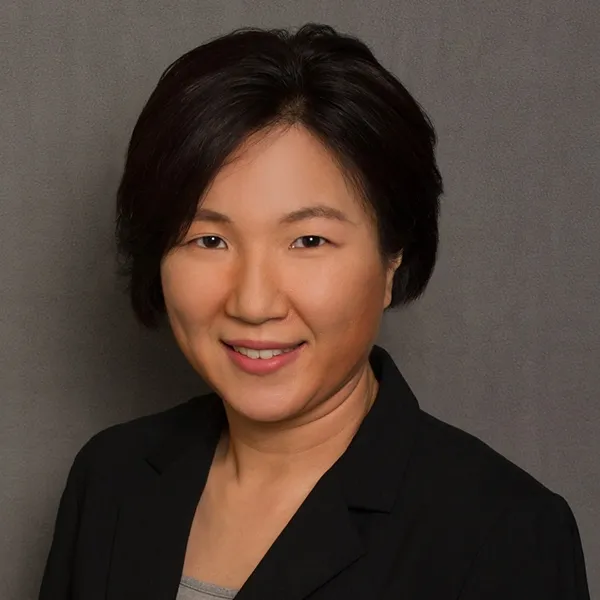
Undergrad: Ewha Womans University
Medical School: Michigan State University College of Osteopathic Medicine
Graduate School: Case Western Reserve University/Cleveland Clinic
Dr. Zaslavsky earned a Bachelor of Science in biology with minors in chemistry and Bioinformatics from Ewha Womans University in Seoul, South Korea, where her interest in translational medicine first took shape. She then began her research career at the University of Pennsylvania as a research specialist in cancer biology, investigating novel therapeutic strategies for sarcoma. She later completed her PhD, focusing on innate host defense mechanisms in gastroenterology. Before medical school, she completed postdoctoral training at the Cleveland Clinic Lerner Research Institute.
At Michigan State University College of Osteopathic Medicine, Dr. Zaslavsky received numerous honors and awards, including the Dean’s Discretionary Scholarship. She also worked as a researcher at the Michigan State University Institute of Global Health while pursuing her DO. Dr. Zavlasky currently works as a research mentor and medical writer, dedicated to training and inspiring future physicians.
Dr. Zavlasky’s research experience spans basic science and translational research in cell and molecular biology, oncology, gastroenterology, immunology, glycobiology, and epidemiology. She has authored publications in journals including Blood, the International Journal of Cancer and Radiation Oncology, Gastroenterology, Matrix Biology, and Frontiers in Immunology, and has presented her findings at national conferences including the Gordon Research Conferences and Matrix Biology meetings, where she received awards for both poster and oral presentations.
With 10 years of mentorship experience, Dr. Zavlasky has mentored students at all levels, including high school, undergraduate, graduate, and medical students, at institutions such as the University of Pennsylvania, the Cleveland Clinic, and MSUCOM. Many of her mentees have published manuscripts and presented at academic conferences. Her mentorship philosophy focuses on guiding students in discovering their passions, developing scientific thinking and writing skills, and connecting their research experiences to future roles as physician-scientists.
Dr. Zavlasky’s passion for mentoring pre-medical students stems from her belief that empowering future physician-scientists will ultimately strengthen the bridge between laboratory discoveries and patient outcomes. She views research as a fundamental training ground for critical thinking, problem-solving, and resiliency. In addition to her scientific background, Dr. Zaslavsky brings a human perspective to mentorship. As a mother and someone who has navigated complex academic and career transitions, she understands the pressures students face and actively helps them manage stress and build confidence throughout their journey.
Undergrad: Ewha Womans University
Medical School: Michigan State University College of Osteopathic Medicine
Graduate School: Case Western Reserve University/Cleveland Clinic
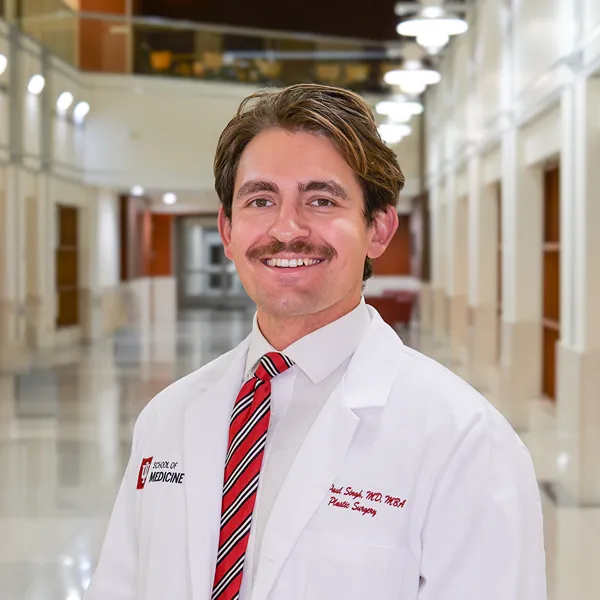
Undergrad: University of Alabama
Medical School: University of Alabama Heersink School of Medicine
Graduate School: University of Alabama at Birmingham
Dr. Singh has led dozens of research projects to fruition, resulting in over 60 peer-reviewed publications across plastic surgery, hand surgery, urology, orthopaedic surgery, health economics, and medical education, and more. He has received funding from the National Institutes of Health for his work, and his research has been published in high-impact journals, clinical papers, perspective pieces, cost-effectiveness analyses, and outcomes research. He has been published in the Journal of Surgical Oncology, Plastic and Reconstructive Surgery–Global Open, the Journal of Plastic, Reconstructive & Aesthetic Surgery, and many other journals.
Dr. Singh has presented 100+ poster and podium presentations, including major national specialty meetings such as the American Society of Plastic Surgeons and the Plastic Surgery Research Council. His work has also been featured in Plastic and Reconstructive Surgery, The PlasticsFella, and UAB News. He has received multiple academic honors, including Best Presentation at Indiana University Plastic Surgery Research Day and a Top 25 Poster Award at the ASPS Annual Meeting. He is also the founder of multiple institutional research groups and the Founder and CEO of Sky Research LLC, a research collaboration and productivity platform designed to streamline academic project management, authorship tracking, and multi-institutional research teams.
With over a decade of mentorship experience, Dr. Singh has led and mentored large, multidisciplinary research groups and supported hundreds of trainees across institutions from project conception through publication. Students he has mentored have been accepted to programs at Baylor College, Johns Hopkins University, Cornell University, the University of Michigan, Duke University, Washington University in St. Louis, Colorado University, the University of Alabama at Birmingham, and many others.
Dr. Singh’s approach emphasizes strategic clarity, efficiency, and rigor, helping individuals translate ideas into high-quality, publishable work. He views research not only as scholarly output but as a powerful vehicle for professional growth, leadership development, and long-term impact.
Undergrad: University of Alabama
Medical School: University of Alabama Heersink School of Medicine
Graduate School: University of Alabama at Birmingham
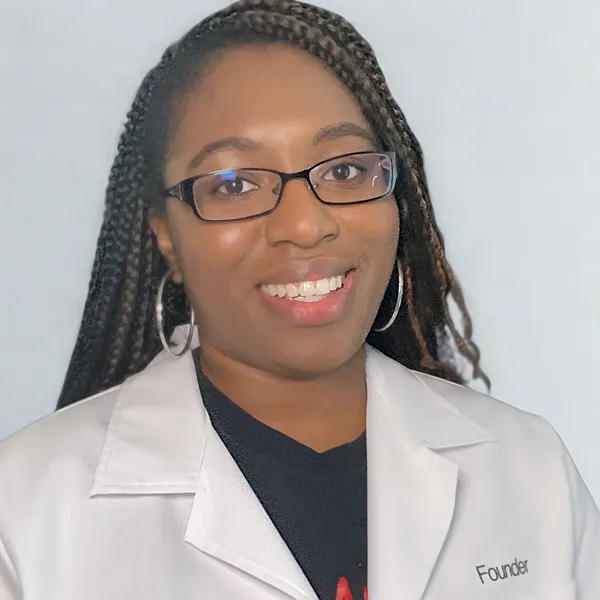
Undergrad: Northern Illinois University
Graduate School: Rosalind Franklin University of Medicine and Science, Rush University
Before pursuing two Master’s degrees and a PhD, Dr. Brown graduated with University Honors in health sciences from Northern Illinois University, with concentrations in pre-medicine and pre-physical therapy, and minors in biological sciences and chemistry. Her PhD dissertation explores how mindfulness and perceived stress influence physical activity in individuals with metabolic syndrome. Across her academic journey, Dr. Brown’s achievements have been recognized with numerous awards, including the Most Outstanding Student Dean’s Award, the Barack Obama Award, and multiple Dean’s List honors and academic scholarships.
Dr. Brown has substantial research experience spanning molecular biology, public health, behavioral health, and health equity. Her work includes studying collagen-hybridizing peptides to detect denatured collagen in conditions like arthritis, investigating mechanisms of glycation in diabetic retinopathy among minority populations, and participating in community-based health interventions focused on weight loss and cancer prevention. She served as a Student Editor-in-Chief at Rush University, where she reviewed and synthesized emerging scientific literature for faculty, clinicians, and researchers.
Dr. Brown’s scholarly output includes several peer-reviewed manuscripts in progress on adverse childhood experiences, mindfulness, stress, and physical activity. She also writes op-eds addressing healthcare disparities and gender equity in global health contexts. She has presented her research at institutions such as Rush University, Northwestern University, the University of Illinois, and the University of Chicago. Additionally, she has delivered invited talks on health equity, COVID-19, access to care, and diversity in healthcare to academic, nonprofit, and community audiences.
In addition to her role as a Rush University adjunct professor and instructor, Dr. Brown has extensive mentoring experience through the Minority White Coat Foundation. In this role, she serves as an instructor and tutor, leading STEM workshops, tutoring core science courses, and supporting students in test preparation.
Dr. Brown excels at translating complex research concepts into accessible learning experiences, providing structured guidance through the research process, and empowering students to see themselves as scientists and scholars. Her mentorship approach is student-centered, culturally responsive, and focused on building confidence, critical thinking, and research literacy. She emphasizes goal setting, skill development, and professional identity, helping students navigate research opportunities, academic pathways, and careers. Students Dr. Brown has mentored in research have been accepted to Spelman College, the University of Illinois, Johns Hopkins, and Rush University.
Undergrad: Northern Illinois University
Graduate School: Rosalind Franklin University of Medicine and Science, Rush University
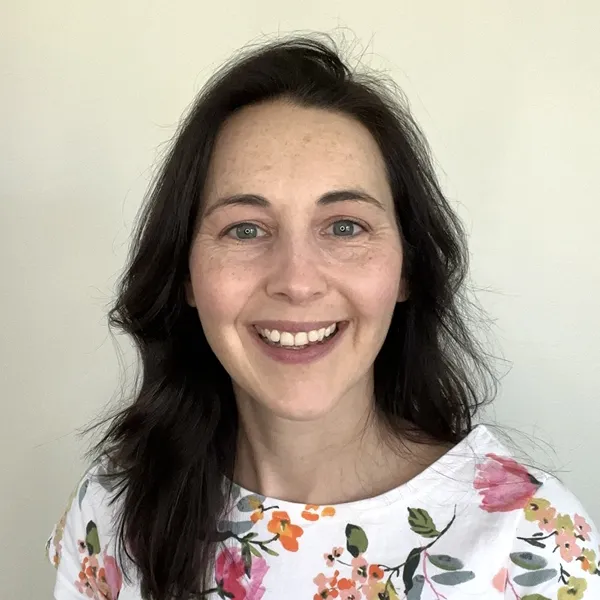
Undergrad: Nova Southeastern University
Graduate School: King’s College London, Dartmouth College
Dr. Vella began her academic training at Nova Southeastern University, where she earned a BS in biology. She then completed an MS in biomedical sciences at King’s College London. Throughout her academic research career, Dr. Vella has led projects involving immune imaging, gene expression profiling, and the development of novel experimental protocols, work that has been supported by multiple grant and fellowship programs. Her research has been published in prestigious journals such as Cancer Research, the Journal of General Virology, the Journal of Immunology, and others.
Professionally, Dr. Vella has built experience across academia, early-stage biotech, and venture-backed therapeutics. She served as Senior Associate and then Associate Director of Business & Alliance Management at Orange Grove Bio, where she led due diligence and partnership strategy across cell therapy, immunology, and oncology assets. She is currently a Co-Founder at ACATbio, a preclinical-stage company focused on novel immunomodulatory therapies, where she oversees research and development strategy, investor communications, and funding initiatives across both grant and venture channels.
Mentorship has been a consistent focus throughout Dr. Vella’s career. Beginning as a research associate at the University of Miami and continuing through her graduate and postdoctoral years at Dartmouth College, she has trained and mentored undergraduate researchers in the lab, supporting students as they develop research skills and grow into confident scientists. At Dartmouth, she also served as an Entrepreneur-in-Residence, advising academic spinouts on commercial strategy and mentoring trainees through translational accelerator programs.
Many of the students Dr. Vella has coached have completed honors theses, presented at conferences, and pursued advanced degrees in science and medicine. Dr. Vella has supported students through research spanning cancer biology, tumor biology, cell biology, and immunology.
Dr. Vella’s mentorship style bridges scientific rigor with strategic clarity. She supports students through every step of the research process, from question formulation and literature review to data interpretation and manuscript development. Her approach is structured, encouraging, and tailored to each student’s interests and goals. She is particularly excited to help students connect their research work to larger scientific narratives, clinical challenges, or societal needs. Whether guiding students toward their first abstract or helping them build confidence as future physicians and investigators, Dr. Vella values mentorship as a means of cultivating scientific curiosity and clarity of purpose.
Undergrad: Nova Southeastern University
Graduate School: King’s College London, Dartmouth College


