Get in touch: +1 888 453 5021


Undergrad: Universidad Michoacana de San Nicolás de Hidalgo
Graduate School: University of Calgary
Following graduate school, Ana transitioned into the biotechnology industry as a laboratory technician and then research veterinarian at Morphocell Technologies, leading and supporting pre-clinical research projects focused on advancing human health. Working within multidisciplinary teams, she contributed to study design, experimental execution, data interpretation, and scientific communication, helping translate research findings into meaningful scientific outcomes.
During her graduate training, Ana served as Lead Author on two peer-reviewed publications in Viruses. She contributed to study design, conducted laboratory research, analyzed data, prepared manuscripts, and coordinated revisions throughout the peer-review process. She also presented her findings at scientific conferences, contributing to research in veterinary virology and molecular epidemiology.
At the University of Calgary, Ana mentored high school students through the Heritage Youth Researcher Summer Program and the Verna J. Kirkness Science Education Program, introducing them to biomedical research, laboratory techniques, and scientific inquiry. She also supported incoming international graduate students as a peer mentor by providing academic guidance, university resources, and assistance with adapting to graduate studies and life in Canada.
As a research mentor, Ana's greatest strengths are her ability to make complex scientific concepts approachable, encourage critical thinking, and create a supportive environment where students feel comfortable asking questions and learning from challenges. She understands that starting a research project can feel overwhelming, particularly for students new to scientific inquiry. By breaking the research process into manageable steps and tailoring her guidance to each student's interests, learning style, and goals, Ana helps students build confidence while developing scientific writing, problem-solving, and analytical skills.
Ana understands that there are many paths to a successful career in science. She is passionate about helping students discover how research can broaden their opportunities in veterinary medicine, medicine, and biomedical science. Whether guiding students as they refine a research question, navigate scientific literature, or communicate their findings, Ana strives to foster curiosity, resilience, and scientific integrity. For her, one of the most rewarding aspects of mentorship is watching students grow into confident, independent thinkers who recognize their ability to make meaningful contributions to science.
Undergrad: Universidad Michoacana de San Nicolás de Hidalgo
Graduate School: University of Calgary


Undergrad: University of California, Los Angeles
Vet School: University of California, Davis School of Veterinary Medicine
Dr. Spediacci began her academic career at the University of California, Los Angeles, where she earned a degree in communication studies. Before entering veterinary medicine, she worked in animation and feature film production, including at DreamWorks Animation, and later returned to school as a non-traditional student to pursue veterinary medicine. At UC Davis, she combined clinical training with research experience and student leadership, including involvement with the Behavior Medicine and Animal Welfare Club. Dr. Spediacci later built a career in veterinary education and learning science, serving as Senior Veterinary Learning Strategist and Director of Learning at the American Animal Hospital Association.
As a research mentor, Dr. Spediacci brings together her backgrounds in veterinary medicine, scientific research, editing, and instructional design. She brings hands-on research and mentorship experience to guiding pre-vet students through the research process, and she is passionate about mentoring the next generation of veterinary professionals.
Undergrad: University of California, Los Angeles
Vet School: University of California, Davis School of Veterinary Medicine
Undergrad: University of Georgia
Graduate School: University of Georgia
Dr. Albanese earned a Bachelor of Science in avian biology from the University of Georgia before pursuing doctoral training in poultry science. Her PhD research focused on the biology, molecular virology, and molecular parasitology of avian pathogens, building a strong foundation in infectious disease research and veterinary biotechnology. Her work earned recognition through the Merck Animal Health Education Research Poultry Sponsorship Award, and she later expanded her technical training by completing a graduate certificate in bioinformatics through the Harvard Extension School.
Following her academic training, Dr. Albanese spent several years at Boehringer Ingelheim Animal Health USA working in poultry research and development and viral vaccine exploration. Her work centered on the research and development of poultry viral and bacterial vaccines, with particular emphasis on exploratory vaccine strategies for avian infectious bronchitis virus. As a project lead, she helped guide research from early scientific questions through experimental design, testing, interpretation, and broader development decisions.
Throughout her career in top-tier corporate settings and academic laboratories, Dr. Albanese has remained deeply invested in mentorship. She has guided graduate students, junior scientists, and laboratory technicians through complex molecular assays, virology protocols, and bioinformatics workflows. Under her guidance, trainees have learned not only how to execute rigorous science, but also how to effectively document discoveries for patent applications and confidently present data.
As a research mentor, Dr. Albanese is recognized for an approach rooted in empowerment through autonomy and structured project management. She specializes in teaching students how to balance the creative, exploratory side of biological discovery with data-driven execution. Her greatest strengths include guiding students through rigorous experimental design and providing clear project frameworks that help students hit milestones without burning out. She views research training as a powerful tool for building intellectual curiosity, scientific integrity, and confidence. Dr. Albanese is known for her structured approach to student development, her clear scientific communication, and her commitment to mentoring the next generation of animal health researchers.
Undergrad: University of Georgia
Graduate School: University of Georgia
Undergrad: University of California, Davis
Graduate School: San Francisco State University, University of California, Davis
Dr. Butler-Struben’s interest in research began as an undergraduate at UC Davis, where she studied pharmaceutical effects on behavior in mouse models of autism spectrum disorder. Later, at San Francisco State University, she conducted comparative pain physiology research using cephalopods in the Crook Lab. Along with her internship at the San Francisco Zoo and further neuroscience research at the University of California, San Francisco, she began to study the psychology and cognition of animal welfare in captive animals. As a policy fellow with the California Initiative to Advance Precision Medicine within the California Health and Human Services, she worked with researchers and legislators across the US to organize funding for research projects targeting specific underrepresented California populations.
Throughout her education, Dr. Butler-Struben has worked extensively with undergraduate students as a Lead Graduate Student Mentor at UC Davis and San Francisco State University, and as a teaching assistant, teaching courses ranging from biology to psychology and animal science. Near the end of her graduate program, she became the lead for a journal club for aspiring neuroscience students in the Educational Enrichment and Outreach Program. She has held leadership roles in her local science communication club, Science Says, and has been active in SACNAS (Society for Advancement of Chicanos/Hispanics and Native Americans in Science). After completing her Master’s degree, Butler-Struben worked as Laboratory Manager at the UCSF Department of Otolaryngology.
Across her research career, Dr. Butler-Struben has explored questions at the intersection of neuroscience, animal behavior, physiology, cognition, and welfare. She has contributed to work appearing in journals including Neuropsychopharmacology, Animal Behaviour, and Invertebrate Neuroscience. Her research experience is complemented by a strong background in science communication, allowing her to translate complex scientific concepts for students, collaborators, and broader audiences.
Dr. Butler-Struben is a motivational mentor who has helped dozens of students reach their goals, from developing research proposals and presentations to attending the graduate school of their dreams. Students she has mentored have gone on to institutions including UC Davis, UCSF, UCLA, UC Berkeley, Stanford University, Columbia University, and the University of Southern California. Her past mentees have presented their work at venues including the Society for Neuroscience Conference, the UC Davis Undergraduate Research Conference, and the Society for Integrative Biology Conference. They have also had their work published in journals such as Neuropsychopharmacology, Animal Behaviour, and Invertebrate Neuroscience.
As an experienced mentor, Dr. Butler-Struben draws on an eclectic background of experiences to guide students. She brings varied interests that all connect through a love of learning, and she tailors her mentoring to fit each individual student, getting to know their strengths and helping them leverage them to achieve their goals. She likes to view each student holistically, getting to know them on a deep and personal level to better support their growth both academically and personally.
Undergrad: University of California, Davis
Graduate School: San Francisco State University, University of California, Davis

Undergrad: Massachusetts Institute of Technology
Veterinary School: University of California, Davis School of Veterinary Medicine
Dr. Yuschenkoff began her academic training at the Massachusetts Institute of Technology, where she earned a degree in biology. During her undergraduate summers, she gained broad experience through volunteer work at the Oakland Zoo, the Boston Science Museum, and a wildlife rehabilitation center. She also conducted research on the reproductive patterns of Golden Spiny mice in Israel, building an early foundation in comparative biology, animal behavior, and scientific inquiry.
At the University of California, Davis School of Veterinary Medicine, Dr. Yuschenkoff continued developing her interests in zoological and wildlife medicine while earning multiple awards and scholarships. Her honors included the Clark Client Communication Award, the Christine Parker Marino Memorial Wildlife Health Scholarship, the Dr. Robert H. Baker Endowed Scholarship, the Wackie Arnold Scholarship, and the Dr. Viki Krade Memorial Feline Medicine Award.
Following veterinary school, Dr. Yuschenkoff completed a rotating internship in small animal medicine at the Cummings School of Veterinary Medicine at Tufts University and a specialized internship in zoological medicine at the Phoenix Zoo. She then completed a residency in zoological medicine at the Oklahoma City Zoo and earned Diplomate status with the American College of Zoological Medicine, the highest certification available for zoo veterinarians. Her postgraduate experience also includes work as a contract veterinarian at the San Francisco Zoo and Six Flags Discovery Kingdom and as an Associate Veterinarian at Groveway Veterinary Hospital. She is currently an Associate Veterinarian at the Oklahoma City Zoo and has served as lead author on seven publications.
Dr. Yuschenkoff has developed a research portfolio spanning zoo, wildlife, and exotic animal health. Her work includes studies on copper hepatopathy in sugar gliders, tramadol pharmacokinetics in Galapagos tortoises, mortality patterns in Kirk’s dik-diks, and blood gas values in ferrets. She has led approximately 10 research projects and has been recognized for her scientific communication, including receiving first place in the AEMV Poster Presentation Competition at ExoticsCon. Dr. Yuschenkoff’s research has been published in the Journal of Zoo and Wildlife Medicine, the Journal of Exotic Pet Medicine, Zoo Biology, and other journals. Her work and professional achievements have also been featured by the UC Davis School of Veterinary Medicine and Visit OKC.
As a research mentor, Dr. Yuschenkoff supports trainees through study development, data interpretation, abstract preparation, and manuscript writing. She has mentored students as a veterinary resident and has helped guide projects resulting in two abstracts accepted for presentation at the American Association of Zoo Veterinarians Conference. Her mentorship style is practical, collaborative, and grounded in helping trainees transform clinical observations into focused, publishable research questions.
Undergrad: Massachusetts Institute of Technology
Veterinary School: University of California, Davis School of Veterinary Medicine

Undergrad: University of Charleston
Medical School: Texas Tech University Health Sciences Center Paul L. Foster School of Medicine
Graduate School: University of Houston, University of Texas School of Public Health
Dr. Godinich has built a prolific research record across radiation oncology, cancer survivorship, public health, dermatology, and medical education. He has authored and co-authored 20+ peer-reviewed publications, with his work appearing in journals such as Cancers, JMIR Medical Education, the Journal of Pain and Symptom Management, Nutrients, JAAD Reviews, and the Journal of Clinical Oncology. His research spans artificial intelligence applications in oncology, health disparities along the U.S.-Mexico border, cancer misinformation, and innovative medical education.
Dr. Godinich’s work has been presented at major national and international meetings, including the American Society for Radiation Oncology (ASTRO), the American Society of Clinical Oncology (ASCO), the Society for Immunotherapy of Cancer (SITC), and the American College of Obstetricians and Gynecologists (ACOG). He has already received media attention, including coverage in The Times UK, tied to research on cancer misinformation and trust among cancer survivors.
Over the course of his career, Dr. Godinich has been recognized with multiple honors and awards. His leadership spans student government, oncology and OBGYN interest groups, admissions committees, and community outreach. He has received the ASTRO-BCRF Visiting Rotation Scholarship, the MD Anderson Visiting Rotation Scholarship, Distinction in Research and Scholarship, and Best in Internal Medicine Research Award at the UTMB NSRF Conference. Brandon brings clinical training, research depth, and a genuine commitment to health equity to every role he takes on.
Mentorship and teaching are central to Dr. Godinich’s approach. He has supported medical students through completion of institution-based scholarly activity and research requirements, with an emphasis on producing submission-ready work and conference dissemination, including abstracts published in the Journal of Clinical Oncology (JCO). Dr. Godinich served as a graduate research mentor at the Paul L. Foster School of Medicine and as a graduate research assistant at the University of Texas School of Public Health. He has supported students in research spanning topics in behavioral & social sciences in health, cancer and tumor biology, health policy, health economics, health services and outcomes, and public health.
In addition to research mentorship, Dr. Godnich serves as an MCAT tutor and medical school admissions coach with extensive one-on-one coaching experience. He has also taught electives for fourth-year medical students on topics including cancer immunotherapy, border health and community-based research, and artificial intelligence in medicine at the Paul L. Foster School of Medicine.
Undergrad: University of Charleston
Medical School: Texas Tech University Health Sciences Center Paul L. Foster School of Medicine
Graduate School: University of Houston, University of Texas School of Public Health

Undergrad: Kinnaird College
Graduate School: Lahore School of Economics; University of California, Irvine
Wajeeha has deep expertise in perinatal epidemiology, environmental health research, and quantitative methods. Her dissertation investigates how maternal psychological distress and environmental exposures jointly shape severe neonatal morbidity. Her research draws on large-scale pregnancy cohort data to examine how prenatal stress, air pollution, and genetic factors interact to affect birth outcomes. Her work spans epidemiologic study design, linear mixed-effects trajectory modeling, mediation analysis, and gene-environment interaction using GWAS data. Wajeeha has authored and co-authored peer-reviewed publications in journals such as Diabetes Care, Environmental Health Perspectives, and Science of the Total Environment.
In addition to her dissertation work, Wajeeha leads the UROP Interdisciplinary Research Team. The team conducts satellite-based heat exposure analysis along freight corridors in Los Angeles, using NASA ECOSTRESS data to understand environmental health disparities in vulnerable communities. This work reflects her commitment to research that is both methodologically rigorous and socially meaningful, and it has strengthened her hands-on experience supervising, training, and supporting emerging researchers.
Wajeeha has received multiple honors, including the Health Equity Research Scholarship and the Distinguished Public Impact Fellowship, awarded in recognition of her commitment to research advancing health equity and community well-being. She also serves as a teaching associate at UC Irvine, bringing clarity and structure to complex quantitative and methodological topics.
As a research mentor, Wajeeha is genuinely invested in each student's growth. She guides mentees through every stage of the research process, from formulating a research question and conducting a systematic literature review to analyzing data, interpreting findings, and producing polished, publication-ready work. Her technical strengths include proficiency in R, SAS, Python, and ArcGIS, and she is skilled at breaking down complex statistical and methodological concepts into clear, accessible steps.
Wajeeha's approach to mentorship is grounded in her belief that learning to think like a researcher is one of the most transformative skills a student can develop. She knows what it takes to navigate the demands of rigorous graduate-level research while managing real life, and she brings that understanding and empathy into every mentoring relationship. Her goal is to help students complete a project, find their scholarly voice, and develop their intellectual independence.
Undergrad: Kinnaird College
Graduate School: Lahore School of Economics; University of California, Irvine
Vet School: Sylhet Agricultural University
Graduate School: Sylhet Agricultural University; University of Minnesota, Twin Cities
Dr. Das’ doctoral training emphasized advanced epidemiologic methods, biostatistics, spatial analysis of infectious diseases, population health data analysis, and grant writing. Her work integrates statistical and predictive modeling, time-series analysis, qualitative methods, and geospatial epidemiology, and she is proficient in tools, such as R, SPSS, Stata, ArcGIS, Dedoose, and Qualtrics. Her primary research focuses on rabies control, zoonotic disease surveillance, and health systems strengthening in low- and middle-income countries.
At the University of Minnesota’s Center for Animal Health and Food Safety, Dr. Das led a spatial population prediction model estimating the distribution of free-roaming dogs in Kenya. This work was supported by a $10,000 Graduate Student/Resident Internal Grant Award and contributed to high-impact publications and applied insights for rabies control planning. She has also conducted systematic reviews, field-based epidemiologic surveys with veterinary professionals in Kenya, time-series analyses of dog bite surveillance data, and stakeholder-engaged rabies control workshops.
Dr. Das has authored and co-authored 13 peer-reviewed publications. Her work has been published in journals including Pathogens, Frontiers in Veterinary Science, PLOS ONE, and Heliyon. She has presented her research at major international conferences, including the International Symposium on Veterinary Epidemiology and Economics and the International Conference on One Health, as well as national veterinary medical conferences. She is also an active peer reviewer for journals including PLOS ONE, PLOS Neglected Tropical Diseases, Journal of Small Animal Practice, and Public Health Challenges.
Teaching and mentorship are central to Dr. Das’ career. She previously served as an assistant professor at Sylhet Agricultural University, where she taught veterinary epidemiology, public health, bioinformatics, and veterinary jurisprudence while co-supervising Master’s students and mentoring undergraduate researchers. At the University of Minnesota, she served as a residency program teacher, supporting graduate-level learning and experiential training focused on biosecurity and public health systems. Beyond research and teaching, Dr. Das has served in multiple leadership roles, including Program Representative for the Council of Graduate Students at the University of Minnesota and General Secretary of the Bangladesh Student Association.
As a research mentor, Dr. Das is known for her structured, analytical, and highly supportive approach. She believes strong research begins with asking precise, meaningful questions and building a clear methodological roadmap. She guides students through every stage of the research process, from refining research questions and conducting systematic literature reviews to designing studies, performing statistical analyses, and preparing manuscripts for submission. Her strengths include demystifying quantitative methods, strengthening academic writing, and helping students develop confidence in presenting their work. Dr. Das emphasizes accountability, clarity, and incremental progress, ensuring that each student builds both technical competence and independent scientific thinking.
With 10 years of mentorship experience, Dr. Das’ passion for mentorship stems from her own journey navigating international research environments and interdisciplinary collaborations. She views research not only as a credential-building activity but as a process that cultivates critical thinking, intellectual rigor, and leadership in public health.
Vet School: Sylhet Agricultural University
Graduate School: Sylhet Agricultural University; University of Minnesota, Twin Cities

Undergrad: University of Mumbai
Graduate School: SNDT University, Ithaca College, Temple University
Before completing a PhD, Dr. Nair earned a BA in psychology and sociology from the University of Mumbai. She also holds an MA in clinical psychology from SDNT Women’s University and an MS in exercise sciences from Ithaca College. Her research portfolio spans federally, state-, and foundation-funded work aimed at developing nicotine and tobacco dependence interventions for underserved populations and reducing cancer-related disparities in sexual and gender diverse (LGBTQ+) populations. She also has an emerging research program focused on training healthcare providers in the use of psychedelics as therapeutic interventions for mental health, with an emphasis on improving equitable access to these innovative treatments.
Dr. Nair has served as a Principal Investigator and Co-Investigator on National Institutes of Health grants and as a Lead and Senior Author on multiple peer-reviewed publications. Her scholarship reflects a strong commitment to translating rigorous research into practical, community-relevant impact. She has more than 45 publications, and her research has appeared in journals such as Nicotine & Tobacco Research, the International Journal of Environmental Research and Public Health, the American Journal of Preventive Medicine, and many others.
As a professor at the University of South Florida, Dr. Nair teaches Health Policy and Clinical Prevention and Health Promotion in Diverse Populations. She has also worked as a professor at the University of Arizona. With over 10 years of mentorship experience, Dr. Nair has extensive experience mentoring undergraduate, graduate, and doctoral students. As a research mentor, her greatest strengths lie in helping mentees translate ideas into methodologically rigorous projects. She specializes in grant writing, study design, and aligning research questions with real-world impact. She is particularly skilled at working with students to clarify their research identity and strengthen their writing.
For Dr. Nair, mentorship is collaborative, respectful, value-based, and highly individualized. She strives to meet mentees where they are at, whether it’s a foray into exploring a research idea or preparing for publications in high-impact journals. She believes that strong research mentorship can be transformative and a learning experience for everyone involved, from the individual conducting the research to the communities that benefit from scientific inquiry and discovery.
Undergrad: University of Mumbai
Graduate School: SNDT University, Ithaca College, Temple University
Undergrad: University of Novi Sad School of Medicine
Medical School: University of Novi Sad School of Medicine
Graduate School: University of Novi Sad School of Medicine
While in Serbia, Dr. Stanic worked as a physician-scientist and clinical pathologist at the Clinical Center of Vojvodina. She gained experience as a Co-Investigator and Principal Investigator at the Clinical Center of Vojvodina’s Children’s Hospital. She also served as Principal Investigator of the Endocrinology Diagnostics and Human Reproduction Lab. She mentored medical students in the Department of Pathophysiology, as well as residents across laboratory medicine and pathology, supporting their academic development and research training. As a Principal Investigator, Dr. Stanic oversaw study design, regulatory strategy, patient recruitment, and data analysis across metabolic disorders, hypertension, and hyperparathyroidism in investigator-initiated clinical studies.
As a researcher, Dr. Stanic’s work focuses on cardiometabolic diseases, hypertension, and biomarker-driven research. This work is complemented by residency training in laboratory medicine, where she developed expertise in biochemistry, molecular biology, microbiology, infectious diseases, and immunology. Her research portfolio spans cardiometabolic diseases, neuroscience, oncology, pediatrics, and lung pathology. Dr. Stanic’s work has contributed to advancing the understanding of disease mechanisms and biomarker relationships, including novel insights into the interaction between endocrine and cardiovascular systems.
Dr. Stanic conducted pre-clinical and translational pathology studies at Georgetown University as a National Institutes of Health and American Heart Association grant-supported Investigator. Her work examined neuroinflammation in COVID-19 and cardiorenal injury in a calorie-deficit model, with an emphasis on the identification and validation of biomarkers for inflammation, fibrosis, and microglial activation. She has authored numerous peer-reviewed publications in prominent journals, such as the International Journal of Endocrinology, the American Journal of Physiology-Regulatory, Integrative and Comparative Physiology, and Medicina. She has presented her findings at major scientific meetings, winning the Top Poster Award at the Association for Clinical and Translational Science (ACTS) Annual Meeting. She currently works as a translational research scientist at Georgetown University.
Dr. Stanic’s work has been recognized with multiple awards, including the Ruth L. Kirschstein (NRSA) Postdoctoral Research Training Award at the Department of Medicine Georgetown University Medical Center, the National Institutes of Health Research Award, the First Place Early Stage Investigator Award, and competitive research presentation honors. She has extensive experience mentoring students and trainees at Georgetown University and the University of Novi Sad Graduate School of Medicine in clinical research and laboratory medicine, guiding them through study design, data interpretation, and scientific writing.
Dr. Stanic has over a decade of research mentorship experience, guiding undergraduate and graduate trainees in translational medicine research methods and laboratory techniques. Her mentoring approach is structured, practical, and results-driven. Dr. Stanic works closely with students to develop strong, publication-ready research projects, emphasizing critical thinking, scientific rigor, and clear communication. Students gain experience in clinical research methodology, biomarker analysis, and the development of impactful poster and oral presentations for scientific conferences, along with strong academic writing skills. She is passionate about helping students build meaningful research experiences and accomplish their academic and career goals.
Undergrad: University of Novi Sad School of Medicine
Medical School: University of Novi Sad School of Medicine
Graduate School: University of Novi Sad School of Medicine
Undergrad: University of Pennsylvania
Medical School: University of Pennsylvania Perelman School of Medicine
Graduate School: The Wharton School of the University of Pennsylvania
Prior to medical school, Dr. Sharma graduated magna cum laude with honors in biology and a minor in the biological basis of behavior and healthcare management. At Penn, she served as a research peer advisor for the Center for Undergraduate Research and Fellowships.
At Perelman, Dr. Sharma was actively involved in various initiatives that demonstrated her commitment to healthcare innovation and community service. She has worked with the Penn Medicine/Wharton Fund for Health and Wharton Investment Venture Associates, exploring the intersection of business and medicine. Additionally, Dr. Sharma co-founded an accelerator for social determinants of health startups through Penn HealthX, demonstrating her dedication to addressing these factors.
Dr. Sharma's research experience includes working at the Center for Surgery and Health Economics, where she has contributed to advancing knowledge in the field of surgery and health economics. She was awarded two research fellowships as an undergraduate and three research fellowships in medical school, by the Agnew Surgical Society, the Center for Healthcare Improvement and Patient Safety, and the Center for the University of Pennsylvania's Dermatology Oncology Center.
Dr. Sharma has authored 20+ peer-reviewed journal articles in surgery, oncology, anesthesia, gastroenterology, and dermatology, including several first-author publications. She has been published in numerous selective journals, including the Journal of the American Academy of Dermatology, the Journal of General Internal Medicine, Clinical Gastroenterology and Hepatology, and others. She has also presented oral and poster presentations at multiple conferences, including the International Association for Health Professions Education Conference, Physicians for Human Rights National Student Conference, and the Society for Investigative Dermatology Annual Meeting. She has also been featured in several academic and media publications.
Dr. Sharma's approach to mentoring is characterized by her enthusiasm, empathy, and dedication to helping others achieve their goals. She is excited to work with pre-med students from diverse backgrounds and provide personalized guidance and support throughout the research process. Having supervised and led eight research projects over the course of her career, Dr. Sharma has helped guide students through research in immunology, cancer & tumor biology, cell biology, and health policy, economics, services, and outcomes.
Dr. Sharma strongly believes in individualized coaching approaches and supporting non-traditional paths in medicine or "medicine plus" research interests. She is a firm believer in maximizing productivity through deliverables. Her passion for mentoring and experience in research advising make her an invaluable coach for anyone looking for guidance towards research success.
Undergrad: University of Pennsylvania
Medical School: University of Pennsylvania Perelman School of Medicine
Graduate School: The Wharton School of the University of Pennsylvania
Undergrad: University of California, Los Angeles
Graduate School: Brown University
Christian’s journey began at UCLA, where he studied psychobiology, global health, and music history. He navigated college as a first-generation student at UCLA, serving as a caseworker and student leader for the Mobile Clinic Project, a street-side clinic delivering medical care and social services to individuals experiencing homelessness. He traveled to rural Nicaragua to deliver health care and public health services and spent two years teaching local underserved youth public health and nutrition. After graduating cum laude from UCLA, Christian took two gap years and managed large-scale, community-based clinical research studies targeting addiction medicine and HIV/AIDS patients in Los Angeles.
Christian’s formative healthcare and public health experiences and passion for advancing health and racial equity inspired him to apply to and attend the David Geffen School of Medicine at UCLA’s Program in Medical Education for Leadership and Advocacy (PRIME-LA). He completed his MS1 and MS2 years of medical school at UCLA before pursuing a career focused on research and equity, with the dream of becoming a civil rights and health justice attorney. He graduated from Brown University’s School of Public Health with a 4.0 GPA and received multiple merit-based scholarships for excellence in health policy and leadership.
Christian’s research experience spans clinical medicine, health technology, public health policy, medical education, and health equity. He has authored and co-authored peer-reviewed publications in journals Medical Science Educator, Applied Clinical Informatics, Cureus, AMIA Symposium Proceedings, and the Journal of the American Geriatrics Society. His work has been presented at national and international conferences, including the American Medical Informatics Association (AMIA) Annual Symposium, global health conferences, and academic medical centers across the country. His research has addressed topics ranging from telemedicine access and clinical decision support tools to anti-racism curricula in medical education and health policy decision-making.
Before becoming the Equity and Social Justice (ESJ) Policy Manager at the NYC Department of Health and Mental Hygiene’s Office of the General Counsel, Christian served in multiple research-related roles. He has worked as a staff research associate and telemedicine researcher at UCLA Geffen’s Center for Behavioral and Addiction Medicine, a health policy and economics researcher at UCLA Health, a researcher in the Mayo Clinic’s Department of Anesthesiology and Perioperative Medicine, a clinical research coordinator at UC Irvine Health, and the Health Technology Project Manager for Brigham and Women’s Hospital’s Division of General Internal Medicine and Primary Care.
In these roles, Christian has led and supported multidisciplinary research teams, managed IRB-approved studies, conducted qualitative and quantitative analyses, and helped translate research findings into real-world clinical and policy impact. He has mentored junior researchers, medical students, and trainees by providing guidance on study design, literature review, data analysis, abstract and manuscript preparation, and conference presentations. These experiences directly inform Christian’s work as a research mentor, where he helps students develop leadership, ownership, and confidence in their research trajectories.
A public health researcher, former medical trainee, and experienced research mentor, Christian has a strong record of guiding pre-medical students through research development and academic storytelling. Christian works closely with pre-medical and medical school applicants to help them identify research opportunities and clarify their academic narratives. He specializes in mentoring students through all stages of the research process, from identifying meaningful research questions and navigating lab or clinical research environments to developing abstracts, posters, and manuscripts, and translating research experiences into compelling personal statements and interviews.
Christian is known for his supportive, structured, and equity-centered mentoring style. He places particular emphasis on helping first-generation, underrepresented, and non-traditional students build confidence, articulate their intellectual growth, and recognize the value of their lived experiences as future physicians and scientists. His approach integrates rigor with encouragement, helping students develop strong analytical skills while also cultivating clarity, resilience, and purpose.
Christian’s passion for mentoring pre-medical students is rooted in the belief that research is not only a credential but a formative process that sharpens critical thinking, ethical reasoning, and curiosity, qualities essential to excellent physicians. He is deeply committed to helping students grow into thoughtful, equity-minded clinicians and researchers who are prepared to contribute meaningfully to medicine and public health.
Undergrad: University of California, Los Angeles
Graduate School: Brown University

Undergrad: Princeton University
Medical School: Case Western Reserve University School of Medicine
He began his academic journey at Princeton University, where he majored in molecular biology and graduated with honors. Dr. Ng then attended Case Western Reserve University School of Medicine for his MD, again graduating with honors in research. Dr. Ng is a reviewer for several leading medical and orthopedic journals, including The Spine Journal, Spine, the Journal of Spine Surgery, the Journal of the American Academy of Orthopaedic Surgeons, and World Neurosurgery. He is also a Section Editor for Hip Surgery, the Journal of Anthroplasty, and Orthopedics at Frontiers in Surgery, as well as a guide editor for the Journal of Clinical Medicine. Dr. Ng also serves as an Elite Reviewer and Editorial Board member for the Journal of Arthroplasty.
Dr. Ng is a member of the North American Spine Society (NASS) Committee Member (Early Advisory Council, Continuing Medical Education Committee) and an Abstract Reviewer for the Cervical Spine Research Society (CSRS), NASS 2025. He was named Outstanding Author in 2025 by the Journal of Spine Surgery, and was a top 5 national winner for the Northeast Region REF Resident Research Symposium. Dr. Ng is Co-Founder and Managing Partner of Thessalus Capital, a healthcare investment firm featured in Forbes, Bloomberg, and CNBC. He is a consultant for 14 orthopedic device companies, including VB Spine, Stryker, Johnson & Johnson, and Pacira, and serves as a medical affairs consultant at Ferghana Partners Group, an investment bank specializing in life sciences and specialty chemicals.
With 10+ years of research mentorship and coaching experience, Dr. Ng has helped students gain acceptance to medical schools at Harvard, Princeton, Yale, UPenn, Columbia, Brown, NYU, UPitt, Johns Hopkins, Rutgers, and Duke. He has supported students across various research disciplines, including bioengineering, biomedical engineering, biostatistics, molecular biology, public health, and systems and quantitative biology. He has also supported students pursuing research in health policy, health economics, health services, outcomes research, biomedical informatics, clinical informatics, and data science.
Dr. Ng creates a supportive and non-judgmental environment for students, helping them overcome obstacles and achieve their goals. As a research mentor, Dr. Ng excels at merging his practical experience with academic inquiry, providing students with a comprehensive understanding of the scientific inquiry process. His diverse background brings a unique perspective on healthcare and innovation to his mentorship and advisory roles.
Undergrad: Princeton University
Medical School: Case Western Reserve University School of Medicine
Undergrad: University of Winnipeg
Graduate School: University of North Dakota School of Medicine and Health Sciences
Before pursuing PhD training, Dr. Korch graduated with a BSc in biology and biochemistry from the University of Winnipeg and a pre-Master’s in biology from the University of Manitoba. As a Full Professor of Pharmacology, Dr. Korch leverages her wealth of expertise to mentor future healthcare professionals. She completed a postdoctoral fellowship at the Biodesign Institute at Arizona State University on a full scholarship, where she also mentored undergraduate students. Currently, Dr. Korch serves as the Pharmacology Course Director for PAs at Midwestern University, teaching infectious disease pharmacology to students across various disciplines, including medical, physician assistant, dental, optometry, veterinary, and biomedical sciences students.
However, her contributions to the field extend beyond teaching. She has presented her research at national and international conferences and published in peer-reviewed journals, demonstrating her commitment to advancing medical knowledge. Her research focuses on cancer cell metabolomics and mechanisms of microbial latency, and she actively involves students in her research laboratory. Dr. Korch has been published in multiple journals, including the Journal of Bacteriology, Molecular Microbiology, Frontiers in Cell and Developmental Biology, and others. Dr. Korch has also served as a member of international and USA PhD thesis committees.
As a mentor, Dr. Korch excels in sharing her knowledge and experiences with aspiring healthcare professionals. She has deep expertise in microbiology, cancer and tumor biology, infectious disease, and pharmacology. Her guidance helps students build confidence as they conduct meaningful research, and Dr. Korch is motivated by students' "light bulb" moments. Many students have successfully continued to graduate healthcare programs, benefiting from her expertise and support.
Undergrad: University of Winnipeg
Graduate School: University of North Dakota School of Medicine and Health Sciences
Undergrad: US Air Force Academy
Graduate School: University of Maryland, College Park, University of North Carolina
Dental School: Rutgers School of Dental Medicine
Dr. Pastewait is a Distinguished Graduate from the US Air Force Academy, graduating as the top cadet in the field of chemistry. He earned his first Master’s degree from the University of Maryland in College Park. Upon graduation, Dr. Pastewait worked as a chemist for the Air Force Research Laboratory for four years. In this role, he conducted research on the synthesis, characterization, and testing of rocket propellant. In the field of computational chemistry, he used advanced software to design and characterize energetic materials for chemical propulsion systems, and in physical chemistry, he designed experiments to investigate new propulsion applications for next-generation liquid propellants—his research was published in the Journal of Physical Chemistry. He also deployed to Southwest Asia multiple times in support of Operations Enduring Freedom and Iraqi Freedom.
Upon his return, Dr. Pastewait entered the Rutgers School of Dental Medicine on the Health Professions Scholarship Program. At this time, he began mentoring and tutoring other dental students in both didactic and clinical courses. He was inducted into the Omicron Kappa Upsilon dental honor society.
After graduation, Dr. Pastewait worked as a general dentist for three years before applying for an orthodontic residency. While attending the UNC Adams School of Dentistry Orthodontic program, Dr. Pastewait conducted research on cleft lip and palate patients using artificial intelligence software. His team analyzed cone beam CT images to investigate various defect factors. He also used artificial intelligence to develop an automated method for tooth labelling and landmark identification on intraoral scans. Furthermore, he co-authored two chapters of the textbook Machine Learning in Dentistry.
His education and mentorship skills were further honed when he became the Orthodontic Course Director for an AEGD-1 program. Using his previous research and admissions committee experience, Dr. Pastewait helped residents with their research projects and poster presentations. They performed research in multiple areas, including third molar treatment modalities, the health risks of electronic cigarettes, and advanced pediatric dentistry techniques. He also served as an interviewer and selection committee member for the US Air Force AEGD-1 Program and the Health Professions Scholarship Program.
Dr. Pastewait has experience guiding students in research across biochemistry, biomedical engineering, chemistry, health policy and economics, health services, biomedical and clinical informatics, and data science. Students he has worked with have been accepted to top dental schools, including Rutgers University, Columbia University, the University of Colorado, Midwestern University, Lincoln Memorial University, Medical University of South Carolina, Indiana University, New York University, and the University of Southern California.
As a research mentor, Dr. Pastewait draws upon his extensive research, education, and clinical experience to guide prospective healthcare professionals throughout the research and publication process.
Undergrad: US Air Force Academy
Graduate School: University of Maryland, College Park, University of North Carolina
Dental School: Rutgers School of Dental Medicine
Undergrad: University of Illinois Urbana-Champaign
Medical School: Rosalind Franklin University Chicago Medical School
Dr. Saltzberg holds a BA in psychology, graduating cum laude from the University of Illinois Urbana-Champaign, and earned his MD from Rosalind Franklin University Chicago Medical School. He completed his pediatrics residency at Northwestern University’s Children’s Memorial Hospital. After six years of practice, Dr. Saltzberg returned to training in emergency medicine at the University of Nevada.
Dr. Saltzberg has also taught in residency programs at Northwestern University and Chicago Medical School. He also helped create a remote clinical curriculum for basic science students at Chicago Medical School. With 35+ years as an admissions committee member, he is acutely aware of the role research plays in medical school admissions.
Known for his holistic, student-centered approach to research mentorship, Dr. Saltzberg has supported students through multiple research areas. These disciplines include biomedical engineering, development and stem cell biology, epidemiology, genetics, microbiology, infectious disease, neuroscience, physiology, integrative biology, and health services and outcomes research.
Undergrad: University of Illinois Urbana-Champaign
Medical School: Rosalind Franklin University Chicago Medical School
Undergrad: University of Michigan–Ann Arbor
Medical School: University of Michigan Medical School
Dr. Lingaya completed his undergraduate studies at the University of Michigan–Ann Arbor, graduating with university honors from the Honors Program with a dual degree in evolutionary anthropology and biology. As an undergraduate, he pursued research domestically and internationally, including fieldwork in rural Ghana and global health exploration in the Middle East as a Marsh Fellow. His diverse international experiences formed the cornerstone of his medical school application, earning him admission to 13+ institutions.
At the University of Michigan Medical School, Dr. Lingaya was awarded the prestigious Hymen Oren Scholarship—a full-tuition merit-based award recognizing future leaders in medicine. He also served as a Graduate Success Partner for five years, mentoring undergraduate pre-med students at the University of Michigan and guiding them through the admissions process.
Dr. Lingaya has served as a research mentor for the Office of Academic Multicultural Initiatives at the University of Michigan and has experience guiding students through behavioral and social sciences research. Dr. Lingaya has research expertise in epidemiology, public health, biomedical and clinical informatics, data science, and health services and outcomes. His work has been published in Urology Practice and Urology.
As a first-generation college student and immigrant from the Philippines, Dr. Lingaya’s commitment to research mentorship is personal and mission-driven. The mentorship he received throughout his medical education journey played a pivotal role in his success. He is passionate about paying that support forward, particularly to students navigating similar barriers. Recognized for his honesty, clarity, and strategic acumen in working with students, Dr. Lingaya offers candid, constructive feedback. He excels at identifying both strengths and opportunities for growth while fostering an environment of trust and mutual respect.
Undergrad: University of Michigan–Ann Arbor
Medical School: University of Michigan Medical School
Undergrad: Davidson College
Medical School: Emory University School of Medicine
Graduate School: Emory University Laney Graduate School
Dr. Ford’s higher education journey began at Davidson College, where he graduated with honors in neuroscience, earned his department’s top research award, and was inducted into Phi Beta Kappa. He attended Davidson College on a music performance scholarship as a saxophone player and was a member of a selective four-year leadership program, the Chidsey Leadership Fellows.
After graduating from Davidson College, Dr. Ford earned his MD and PhD in neuroscience from Emory University, where his doctoral research focused on the biological basis of social behavior and neuropsychiatric drug development. His scientific portfolio includes nine peer-reviewed publications in prestigious journals, including Nature Reviews Neurology, the Journal of Comparative Neurology, and Frontiers in Behavioral Neuroscience. He also has over 20 poster presentations and five oral presentations at national and international conferences.
Dr. Ford’s extensive mentorship experience includes serving as a research mentor for undergraduate students at Emory University. He has also been Lead Author on translational neuroscience studies, literature reviews, natural history studies, op-eds on clinical trials, and other written works. Currently, Dr. Ford works as a translational medicine consultant, performing “dry lab” research for leading biotechnology companies, and he previously spent many years conducting wet lab research during his academic training. His research expertise spans neuroscience, genetics, rare diseases, animal models, translational research, and clinical natural history studies. This breadth allows him to guide students in designing rigorous "dry lab" and clinical data projects that are feasible, high-impact, and immune to the logistical delays of traditional wet labs.
As a mentor, Dr. Ford leverages his two years on the Emory MD-PhD Program Admissions Committee to reverse-engineer the application process, teaching students how to frame their research in ways that resonate with faculty reviewers. Students Dr. Ford has coached have been accepted to Ohio State University SOM, Georgia Medical College, University College London, and various Florida medical schools.
Dr. Ford’s mentorship has yielded exceptional results: he has successfully supported many undergraduates in earning co-authorship and first-authorship on peer-reviewed manuscripts. Furthermore, as a guest speaker at the 2021 Atlanta Science Festival and a recent winner of the communication-based game show 25 Words or Less, Dr. Ford is an expert in science communication. He excels at teaching students how to distill complex scientific concepts into concise, compelling narratives.
Undergrad: Davidson College
Medical School: Emory University School of Medicine
Graduate School: Emory University Laney Graduate School

Undergrad: Loras College
Medical School: Creighton University School of Medicine
Graduate School: University of Massachusetts, Amherst
Dr. Hooks conducted clinical research as a research assistant at the University of Iowa Hospitals and Clinics. Focusing primarily on nephrology and surgical research, Dr. Hooks received grants from the National Institutes of Health and National Kidney Foundation. She has over 12 years of research mentorship experience, guiding students in research across biochemistry, health policy, health economics, health services, and physiology. She also has experience mentoring students conducting research in cancer, tumor, cell, and integrative biology. Students who have worked with Dr. Hooks have been accepted to top institutions such as Columbia University, Harvard University, Yale University, USC, UC Irvine, and the University of Maryland.
Dr. Hooks’ career reflects a passion for both medicine and entrepreneurship. She has practiced as a hospitalist, founded a private practice specializing in medical weight loss and aesthetics, and now serves as Medical Director of a healthcare company. Her leadership extends beyond clinical work, through her work as a mentor at Pinnacle Business Academy, providing professional development for physicians and medical trainees alike. She is also the CEO of Phoenix Med Health PLLC, and is currently pursuing an MBA at the University of Massachusetts, Amherst.
Recognized for her dedication to student success, Dr. Hooks is committed to empowering future physicians to navigate the challenges of the research process with confidence.
Undergrad: Loras College
Medical School: Creighton University School of Medicine
Graduate School: University of Massachusetts, Amherst
Undergrad: University of Michigan – Ann Arbor
Medical School: University of Illinois College of Medicine
Dr. Shafton earned an undergraduate degree in history from the University of Michigan and began his career in investment banking. However, he felt that his calling was to become a doctor. Inspired by a research assistantship at the University of California, San Francisco (where he co-authored his first scholarly publication), he pivoted to medicine, completing a postbaccalaureate pre-medical program at Harvard University. He pursued research in psychiatry at Harvard Medical School and volunteered on the pediatric oncology ward at Boston Children’s Hospital. He was then accepted to the University of Illinois College of Medicine, where he received a merit-based scholarship covering full tuition for his second year and engaged in several research projects. After completing his residency, Dr. Shafton later transitioned to urgent care medicine, where he treated more than 12,000 patients across a wide range of conditions.
As a research mentor, Dr. Shafton specializes in guiding students through the development of literature-based medical research projects. He works closely with students to refine feasible research questions, identify high-quality sources, synthesize evidence, and produce clear, well-structured academic writing that meets scholarly standards. His mentorship style is structured, thoughtful, and student-centered, with an emphasis on intellectual ownership, ethical scholarship, and understanding the realities of peer review and publication.
Dr. Shafton is particularly passionate about supporting students who may not have traditional access to academic research environments. He believes that learning how to ask strong questions, critically evaluate evidence, and communicate ideas clearly is foundational to becoming an excellent physician. His goal is not only to help students complete a strong research manuscript, but to equip them with durable skills that will serve them throughout medical school and their future careers.
Undergrad: University of Michigan – Ann Arbor
Medical School: University of Illinois College of Medicine
Undergrad: University of Richmond
Medical School: The Warren Alpert Medical School of Brown University
Before starting medical school, Dr. Painter earned a BS in biology from the University of Richmond. He worked for four years as a Mathematics Research Fellow in the University of Richmond Department of Mathematics and served as a teaching assistant for the University of Richmond Department of Chemistry. As an undergraduate, Dr. Painter earned numerous awards recognizing both his research and leadership, including the Clarence J. Gray Award for Excellence in Scholarship and Leadership, the William Myers Inorganic Chemistry Award, and the Pinchbeck Prize.
Dr. Painter conducted two years of research on viral pathogenesis at Massachusetts Eye and Ear, serving as a visiting graduate student in ophthalmology at Harvard Medical School. At Brown University’s Warren Alpert Medical School, he was inducted into the Alpha Omega Alpha Honor Society and received the Alpert Medical School Summer Research Assistantship Grant.
An avid researcher, Dr. Painter has published more than 40 peer-reviewed manuscripts, textbook chapters, and abstracts on topics including radiology, sports medicine, medical education, virology, and nephrology. Dr. Painter has been published in multiple prestigious medical journals, including the Journal of the American College of Cardiology Case Reports, PLoS Pathogens, the Journal of the American Academy of Orthopaedic Surgeons Global Research and Reviews, the Orthopedic Journal of Sports Medicine, and the Journal of Arthroplasty. He has presented his research at national and international conferences.
Dr. Painter has supervised or led over 30 research projects and has supported students in research areas such as microbiology, cell biology, molecular biology, virology, anatomy and physiology, immunology, biostatistics, epidemiology, general medicine, and multiple clinical specialties including sports medicine and radiology. With over 13 years of admissions experience, Dr. Painter's former students and mentees have been admitted to top medical, PhD, and law school programs.
Beyond medicine, Dr. Painter has demonstrated a remarkable dedication to education and mentorship. While in medical school, he designed and taught multiple science courses for high school and middle school students, including programs through Brown University's Pre-College Programs and The Wheeler School in Providence, RI. Dr. Painter’s teaching philosophy emphasizes accessibility, curiosity, and empowerment—helping students see themselves as capable scholars and future professionals.
Undergrad: University of Richmond
Medical School: The Warren Alpert Medical School of Brown University
Undergrad: University of California, San Diego
Medical School: Lewis Katz School of Medicine at Temple University
Dr. Malige’s combined love of biomechanics and sports inspired him to pursue a career in medicine. Following residency, he pursued a prestigious sports medicine fellowship at the Kerlan-Jobe Orthopedic Clinic in Los Angeles, training under world-renowned orthopedic surgeon Dr. Neal ElAttrache. During his time there, he served as an assistant team physician for multiple professional and collegiate athletic organizations, including the Los Angeles Rams, Angels, Dodgers, Galaxy, and the Anaheim Ducks, as well as Pepperdine University athletics.
An accomplished researcher, Dr. Malige has authored over 50 publications and book chapters on topics including shoulder arthroplasty, ACL reconstruction, throwing elbow injuries, and biologic treatments. His research has been published in the Clinical Journal of Sport Medicine, the Journal of Orthopaedics, the Journal of Orthopaedic Trauma, and others. Dr. Malige has also lectured and presented at numerous national orthopedic conferences, and his work has been recognized nationally, earning him multiple research grants and awards, including the prestigious Charles Neer Award for excellence in shoulder and elbow research. He also serves on the editorial boards for Arthroscopy, the Orthopaedic Journal of Sports Medicine, and BMC Musculoskeletal Disorders. Additionally, he currently serves on multiple committees for the American Orthopaedic Association and the American Orthopaedic Society for Sports Medicine.
Dr. Malige has worked with numerous students interested in biomedical engineering research and other disciplines. Students who he has mentored have been accepted to multiple medical schools and orthopedic residency programs across the country, from New Jersey to California.
Undergrad: University of California, San Diego
Medical School: Lewis Katz School of Medicine at Temple University
Undergrad: Augusta University
Medical School: Medical College of Georgia at Augusta
Dr. Reddy earned a BS in cellular and molecular biology, graduating summa cum laude from Augusta University. He completed his medical education at the Medical College of Georgia, where he was awarded the Presidential Scholarship, a full-tuition, four-year merit-based award, as well as the Medical Scholars Research Scholarship.
Following medical school, Dr. Reddy trained as a neurosurgery resident at the University of Southwestern Medical Center. During residency, he managed the care of hundreds of patients and supervised medical students on clinical rotations. Dr. Reddy has an exceptional research background, with over 1,000 hours of laboratory and clinical research experience resulting in more than 150 peer-reviewed publications and an h-index of 40. His research productivity places him among the most published trainees of his cohort and allows him to advise applicants with strong academic and research ambitions on how to present scholarly work authentically and strategically.
Motivated by a desire to make an impact at scale, Dr. Reddy transitioned from clinical training into healthcare consulting, where he now works closely with C-suite leaders across the healthcare ecosystem. He currently works as an Engagement Manager at McKinsey & Company, where he advises leading health systems on growth strategy, clinical operations, and organizational transformation.
Dr. Reddy has experience leading students through research in many areas, including biostatistics, cell biology, systems/quantitative biology, physiology, integrative biology, neuroscience, public health, biomedical informatics, clinical informatics, and data science. He also has experience coaching students in research related to health policy, health economics, and health services and outcomes. Dr. Reddy is committed to demystifying the research process and helping students build confidence and skills.
Undergrad: Augusta University
Medical School: Medical College of Georgia at Augusta

Undergrad: CUNY School of Medicine
Medical School: SUNY Downstate Health Sciences University College of Medicine
Dr. Offenbacher’s work has been recognized through multiple distinctions, including induction into the Alpha Omega Alpha Society, the American Society of Pediatric Hematology/Oncology Young Investigator Award, the Pediatric Research Day Oral Presentation Award at the Children’s Hospital at Montefiore, and the Best Teaching Fellow Award. She also earned membership in the Leo M. Davidoff Society for excellence in teaching and was recently recognized with the Jewish Orthodox Women’s Medical Association Mentorship Award.
Dr. Offenbacher’s professional experience spans clinical practice, academic medicine, and ongoing research activities. She has over 20+ publications and has had her work showcased in multiple prestigious journals, including Clinical Cancer Research, Pediatric Blood & Cancer, and the Journal of Pediatric Hematology/Oncology. Her research centers on cancer metabolism, metastasis, and the tumor microenvironment, with particular emphasis on osteosarcoma and Ewing sarcoma. Dr. Offenbacher has led multiple funded translational projects and serves as Principal Investigator on studies aimed at moving promising therapies from bench to bedside.
As a research mentor, Dr. Offenbacher has experience guiding researchers through topics in cancer, tumor, cell, stem cell, and developmental biology. She also has mentorship experience in research projects related to behavioural and social sciences in health, health services and outcomes, and public health. Students who Dr. Offenbacher has coached have been accepted to prestigious programs at Yale University, Cornell University, Columbia University, the University of California, San Francisco, the Albert Einstein College of Medicine, and Memorial Sloan Kettering.
Dr. Offenbacher is deeply committed to coaching and enjoys guiding students through all stages of research—from hypothesis generation and experimental design to data analysis and scientific writing—while helping them develop as thoughtful, independent investigators.
Undergrad: CUNY School of Medicine
Medical School: SUNY Downstate Health Sciences University College of Medicine

Undergrad: The College of New Jersey
Medical School: University of Pennsylvania Perelman School of Medicine
Before attending the University of Pennsylvania Perelman School of Medicine, Dr. Mohanty was accepted to the BS/MD program at The College of New Jersey with New Jersey Medical School, graduating Phi Beta Kappa, summa cum laude, and earning the Biology Faculty Award for excellence in academics, service, and research. During medical school, he served in multiple educational leadership roles, including as an elected representative to the Undergraduate Medical Education Council and Vice President of Medical Student Government, partnering with senior faculty to redesign Penn’s four-year MD curriculum and assessment framework. He was inducted into the Gold Humanism Honor Society and the Alpha Omega Alpha Honor Medical Society in recognition of scholarship, leadership, and compassionate patient care.
Dr. Mohanty has a long record of high-impact scholarship spanning basic and translational musculoskeletal biology and clinical outcomes research. His work bridges mechanistic discovery and patient-centered impact—his translational research includes studies of developmental signaling pathways and musculoskeletal biology relevant to intervertebral disc degeneration and bone health. His clinical research focuses on improving decision-making and outcomes in spine surgery using rigorous epidemiology, propensity score methods, and machine learning.
Dr. Mohanty has co-authored more than 50 peer-reviewed manuscripts across leading orthopedic and spine journals, including Clinical Spine Surgery, the Journal of Neurosurgery: Spine, the Journal of Bone & Joint Surgery, and JOR Spine. He has also delivered podium presentations nationally and internationally. He has led research teams as a Lead Author and Clinical Research Project Lead to produce 35 high-impact publications and presentations, alongside dozens of first-author contributions and national/international presentations. His work has been recognized with the Rhodes Prize for Surgical Scholarship, a University of Pennsylvania nomination for the Dolores Zohrab Liebmann Fellowship, and multiple podium awards from the North American Spine Society and Scoliosis Research Society.
With years of research experience, Dr. Mohanty has guided students as they conduct research across biostatistics, developmental biology, stem cell biology, and health services and outcomes. Students he has mentored have been accepted to multiple top institutions, including Baylor College of Medicine, Case Western Reserve University, Emory University, the Mayo Clinic Alix School of Medicine, the University of California, San Francisco (UCSF), the University of California, Los Angeles (UCLA) David Geffen School of Medicine, the University of North Carolina–Chapel Hill, the University of Pittsburgh, Vanderbilt University, and Yale University.
As a mentor, Dr. Mohanty supports students who want to build durable research skills across the basic and clinical sciences. Mentees can expect structured guidance in developing a strong question, designing a feasible study, managing data responsibly, conducting appropriate analyses (including statistics and applied ML when relevant), and producing clear, conference- and publication-ready writing and presentations. Dr. Mohanty values clarity, intellectual honesty, and consistent follow-through, and enjoys helping students translate curiosity into publishable, clinically meaningful work.
Undergrad: The College of New Jersey
Medical School: University of Pennsylvania Perelman School of Medicine
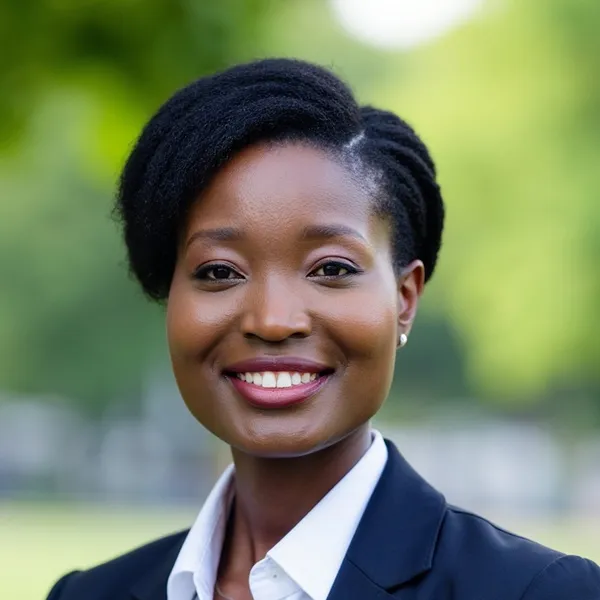
Undergrad: Makerere University
Graduate School: Texas Tech University Health Sciences Center
Dr. Akwii has built a strong scientific foundation through rigorous academic training and industry research, contributing to complex, cross-functional projects and authoring peer-reviewed scientific publications. Her work reflects strong scientific judgment, analytical rigor, and the ability to translate research questions into actionable insights across different stages of development. Her research has been published in numerous journals, including the Journal of Controlled Release, the International Journal of Cancer, and the Journal of Pharmacology and Experimental Therapeutics.
In parallel with her professional research career, Dr. Akwii has significant experience mentoring students and early-career researchers. She has served as a research mentor for undergraduate students, PharmD students, and high school seniors interested in research. Dr. Akwii has served as Lead Researcher on projects in pharmaceutical roles, including rare genetic disease and immunology, and has been a Lead Author on multiple manuscripts.
Dr. Akwii is passionate about teaching others how to think independently through the research process, from formulating meaningful questions and designing feasible studies to interpreting results and communicating findings clearly. She has supported students conducting research spanning multiple fields, including biochemistry, biomedical engineering, cancer/tumor biology, genomics, immunology, infectious disease, neuroscience, public health, and more. Students Dr. Akwii has supported throughout the research process have been accepted to Purdue University, Boston University, the University of Massachusetts Boston, and Texas Tech University Health Sciences Center.
As a mentor, Dr. Akwii focuses on helping students develop confidence, intellectual ownership, and research maturity. Her goal is not just to help students complete a project, but to equip them with the skills and mindset to become independent thinkers and researchers who can make a meaningful impact.
Undergrad: Makerere University
Graduate School: Texas Tech University Health Sciences Center

Undergrad: University of Rochester
Graduate School: UCLA, University of Maryland
Dr. Ewen’s work centers on eliminating racial disparities in type 2 diabetes through rigorous epidemiologic methods and community-driven approaches. At the University of Michigan, Dr. Ewen studies how racial discrimination–related stress, social determinants of health, and neighborhood environments shape diabetes risk and self-management among racially marginalized adults. Her mixed methods, implementation science, and causal epidemiology expertise have informed peer-led diabetes interventions, contributed to NIH-funded studies, and guided implementation strategies to improve chronic disease prevention and care delivery.
Dr. Ewen’s scholarship is strengthened by advanced training from Harvard’s Emotional Well-Being & Physical Health Program and Washington University’s Dissemination & Implementation Science Institute. She has authored numerous peer-reviewed publications in journals such as Current Diabetes Reports, BMC Health Services Research, and the American Journal of Men’s Health. She has presented her work at national and international conferences, including the American Diabetes Association Scientific Sessions, the Society of Behavioral Medicine, and the Society for Biopsychosocial Science and Medicine.
Before pursuing her doctorate, Dr. Ewen spent six years as a Graduate Medical Education Data Analyst and Project Management Specialist at the Boston Medical Center. In this role, she worked closely with medical residents and fellows across multiple specialties and collaborated with trainees and faculty to design and implement research studies focused on clinician well-being, quality improvement, social determinants of health, and innovations in medical training. Dr. Ewen also provided methodological guidance on IRB submissions, sampling strategies, survey development, quantitative methods approaches, and statistical analyses. She also supported residents and fellows in developing publishable manuscripts, contributing to several studies on program administrator burnout, physician well-being, and medical education innovation, and partnered with hospital leadership to strengthen quality improvement and documentation systems.
As a mentor and educator, Dr. Ewen is deeply committed to developing future clinical and research leaders. At the University of Maryland School of Public Health, she served as a graduate teaching assistant (GTA) and Head GTA for epidemiology, digital health, and community health courses, supporting over 200 undergraduate students per semester. She led discussion sections, delivered lectures on study design and social determinants of health, and helped students build confidence in applying methodological concepts. Dr. Ewen has mentored undergraduate, MPH, MSW, and PhD students in research design, statistical analysis, academic writing, and scientific communication.
At the University of Michigan’s Curtis Center for Health Services Research and Innovation, Dr. Ewen leads data integration, fidelity monitoring, and evaluation strategies for NIH-supported diabetes and behavioral health interventions. She has been recognized with multiple achievements throughout her higher education journey and research career, including induction into the Delta Omega Honorary Society in Public Health, the Ann G. Wylie Dissertation Fellowship, and the Barry Portnoy Dissertation Research Award.
Dr. Ewen has served as a Research Fellow and mentor at the University of Michigan and has held multiple primary leadership roles in research. These roles include leading NIH‑funded evaluation work at the University of Michigan, directing her own multi-method dissertation study at the University of Maryland, and serving as a co‑investigator and Analytic Lead on several studies at Boston Medical Center. She has coached students through research topics spanning biostatistics, epidemiology, public health, behavioral and social science in health, and health services and outcomes.
Dr. Ewen is passionate about supporting pre-medical students seeking research and publication opportunities to strengthen their competitiveness for top-ranked medical schools and cultivate their identities as emerging clinician-scholars.
Undergrad: University of Rochester
Graduate School: UCLA, University of Maryland

Undergrad: Kwame Nkrumah University of Science and Technology
Graduate School: University of Central Florida
Dr. Sabblah served as a teaching and research assistant at the University of Central Florida for over seven years. He delivered classroom and laboratory instruction, designed experimental protocols, and provided individualized academic support. He has directly mentored undergraduate, graduate, and post-baccalaureate students, guiding them through hypothesis development, experimental execution, data interpretation, poster preparation, and scientific writing. Dr. Sabblah was awarded the UCF-SGA Travel Award by the American Society for Cell and was recognized with the Dean’s Dissertation Completion Fellowship at the end of his PhD training.
Dr. Sabblah’s training includes extensive experience in translational and basic science research, particularly in neuroscience and neurodegenerative disease. As a postdoctoral scientist at the Byrd Alzheimer’s Institute at the University of South Florida, and previously at Vanderbilt University, he investigated molecular and cellular mechanisms underlying disease processes, including APP-mediated signaling, amyloid plaque pathology, and neurobiological signaling pathways. His work required mastery of experimental design, data analysis, imaging techniques, and strict adherence to ethical and safety standards.
Beyond academia, Dr. Sabblah has translated his research expertise into the biopharmaceutical industry, where he has worked as a Senior Medical Writer and Assistant Medical Director supporting medical affairs teams across neurology, immunology, oncology, gastroenterology, and rare disease. In these roles, he synthesizes clinical trial data, collaborates with physician experts, and ensures scientific accuracy and compliance in high-stakes medical communications. This industry experience gives him a unique perspective on how academic research connects to real-world clinical development, regulatory standards, and patient care—insight that is invaluable to students considering MD, PhD, or MD/PhD pathways.
A defining feature of Dr. Sabblah’s mentorship style is his emphasis on scientific thinking over rote success. He trains students to understand the research process holistically, including how to ask meaningful questions, deal with ambiguous or negative data, maintain detailed records, and communicate findings with clarity and integrity. His background in grant writing, manuscript preparation, and conference presentations allows him to coach students not only on “doing research,” but on presenting themselves as emerging professionals through abstracts, personal statements, and interviews. Many of the students he has mentored pursued advanced training in graduate, medical, or professional programs and have been accepted to institutions such as Columbia University, the University of Pennsylvania, the University of Florida, UC Irvine, and others.
Dr. Sabblah offers technical training and strategic guidance rooted in lived experience. Having navigated graduate school, postdoctoral training, teaching, research leadership, and industry science, he understands the challenges, uncertainties, and decision points students face. His mentorship is characterized by honesty, structure, and encouragement, helping students build resilience, scientific confidence, and a compelling academic narrative.
Undergrad: Kwame Nkrumah University of Science and Technology
Graduate School: University of Central Florida
Undergrad: Shenyang Pharmaceutical University
Graduate School: Duke University Fuqua School of Business, University of Michigan School of Public Health
Dr. Wang’s research investigates the health effects of environmental exposure and climate change on cardiovascular, metabolic, and neurological outcomes, with a focus on vulnerable populations. With over 20 peer-reviewed publications, many of which as Lead Author, Dr. Wang’s work has been published in leading journals, including Environmental Health Perspectives, the American Journal of Epidemiology, and the Journal of the American Heart Association. He also has served as Principal Investigator on many projects funded by the National Institutes of Health (NIH), Centers for Disease Control and Prevention (CDC), Environmental Protection Agency (EPA), the State Health Department, and private foundation endowments. Dr. Wang’s work has been cited and received media attention by the National Institutes of Health, the de Beaumont Foundation, IndyStar, Fox 59, WFYI Public Radio, and WFHB — Bloomington Community Radio.
Serving as a reviewer, judge, and conference panelist for over 15 years, Dr. Wang has served as a peer reviewer for major journals, including The Lancet Public Health, The Lancet Global Health, and Environmental Health Perspectives, and as an ad hoc grant reviewer for the National Institutes of Health. He has presented his research at national and international forums over 30 times, including the EPA, various top US research universities, and the International Society for Environmental Epidemiology (ISEE) conferences, where he has also chaired symposia. His community-focused tools, such as the Multi-layer Data Community Action Tool (MDCAT), have been archived in the White House Climate Change Resilience Toolkit and informed local policy. As a result, he has received recognition, including the de Beaumont Foundation 40 Under 40 Award and the Indianapolis Mayor’s Outstanding Individual Advancing Sustainability Award.
A former tenured professor at the Indiana University School of Public Health, Dr. Wang taught multiple courses, including Environmental Epidemiology, Energy and Sustainability, Environmental Justice, Environmental Health Policy, Environmental Health Science in Public Health, and Energy, Climate Change, Resilience, and Health. Leveraging this experience, Dr. Wang has mentored undergraduate, graduate, and postdoctoral researchers. Under his supervision, students have co-authored peer-reviewed publications, presented at national and international conferences, and advanced to roles in academia, government, and industry. Students Dr. Wang has coached have been accepted to Stanford, Johns Hopkins, UPenn, Purdue, and Rice, and gained employment at large and small US corporations and the EPA.
Beyond the lab, Dr. Wang is a serial entrepreneur and advisor, currently serving as the CEO and Co-Founder of health-tech startups and as an Entrepreneur-in-Residence at NC Innovation. This unique blend of deep academic expertise, policy engagement, and practical business acumen allows him to mentor students not only on robust research methodology but also on how to envision the broader application and impact of their work.
With 20 years of mentorship experience, Dr. Wang has supported students in research spanning biochemistry and biomedical engineering to health economics and public health. He is committed to fostering the next generation of scientists and has guided many students through capstone projects, research assistantships, and co-authorships on peer-reviewed publications. He regularly works with students to develop independent research projects, strengthen their scientific portfolios, and prepare competitive applications. Currently, Dr. Wang teaches an eight-week Health Data Science Research Workshop to guide and mentor high school students to conduct and publish their own peer-reviewed research in peer-reviewed journals. As his ultimate goal and mission, Dr. Wang partners with aspiring students to design and execute compelling research projects, develop their unique academic narratives, and transform their scientific curiosity into powerful assets.
As a research mentor, Dr. Wang is flexible and supportive, guiding students through hypothesis development, study design, data analysis, manuscript preparation, and final publication. He focuses on building both technical skills and scientific judgment, helping students articulate their research clearly and with impact. He is known for creating a "learn, teach, and share" environment that builds critical thinking and confidence.
Undergrad: Shenyang Pharmaceutical University
Graduate School: Duke University Fuqua School of Business, University of Michigan School of Public Health

Undergrad: Wellesley College
Graduate School: University of Pittsburgh
Dr. Rosenfeld’s education journal started at Wellesley College, where she graduated magna cum laude with a BA in history and Jewish studies. She received the Outstanding Masters Level Student Award while completing her MPH, and the Myrna Silverman Dissertation Scholarship and William T. Green Award in Public Health Studies during her PhD studies. Her training emphasized rigorous research design, health equity frameworks, and the real-world complexities of healthcare delivery. As a postdoctoral fellow, Dr. Rosenfeld led studies on reproductive and sexual health among women veterans and contributed to equity-focused initiatives to improve access to preventive care and screening.
Across her career, Dr. Rosenfeld has led complex, federally-funded projects focused on value-based care and systems-level improvement, translating qualitative and mixed-methods findings into clear, actionable deliverables for federal agencies, clinical partners, and community organizations. She has authored multiple peer-reviewed papers and government reports and has helped lead expert panels and convenings focused on behavioral health systems, financing innovation, and equity-centered care delivery. Her work has been published in the American Journal of Obstetrics and Gynecology, Contraception, and the American Journal of Men’s Health. Dr. Rosenfeld's work is known for bridging research rigor with practical relevance, producing tools and insights designed to support decision-makers, funders, and frontline systems leaders.
Dr. Rosenfeld has also held leadership roles in academic program management and community engagement. As Program Manager at the University of Pittsburgh’s Center for Women’s Health Research & Innovation, she supported an academic center advancing women’s health and equity while developing high-impact communications such as reports, infographics, and policy briefs, and contributing to successful grant efforts. She has also worked as a research associate at Point Park University.
Most recently, Dr. Rosenfeld served as a Senior Research Associate at Westat, where she directed multiple federally-funded behavioral health projects. She managed cross-functional teams, complex timelines, and high-stakes deliverables, partnering with federal agencies, subcontractors, and clinical organizations to design mixed-methods data collection strategies and translate findings into reports, briefs, and training materials that supported real-world decision-making.
Dr. Rosenfeld is a dedicated educator and mentor with extensive experience supporting both undergraduate and graduate students. She has provided hands-on guidance in qualitative and mixed-methods research design, dissertation development, and dissemination—helping students build confidence, strengthen analytic thinking, and develop compelling academic and professional narratives. She is especially known for creating structured but supportive mentoring environments, offering clear frameworks, practical next steps, and personalized feedback that helps students move from uncertainty to momentum.
Dr. Rosenfeld brings both rigor and clarity to every project and mentoring relationship. She is committed to helping students and collaborators connect their work to broader systems change, building research and communication skills that translate into lasting impact.
Undergrad: Wellesley College
Graduate School: University of Pittsburgh


.svg)

