Get in touch: +1 888 453 5021


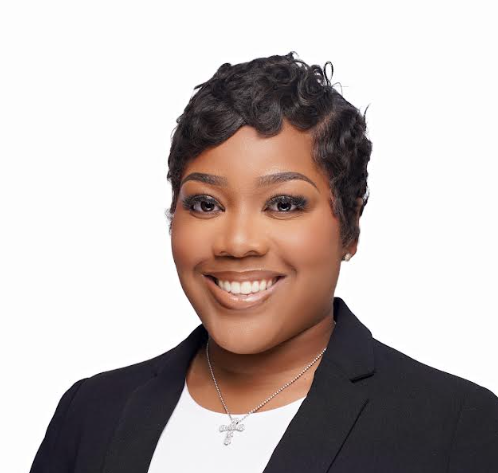
Sequoia Mitchell, BSN, BA, RN, is the Vice President of the Detroit Black Nurses Association.
The mission of the Detroit Black Nurses Association (DBNA) is centered on supporting, empowering, and advancing Black nurses while improving health outcomes within the communities we serve. As a chapter affiliated with the National Black Nurses Association, we recognize the importance of having Black nurses represented not only at the bedside but also in education, leadership, research, and healthcare decision-making.
For me, representation is extremely important because when people see healthcare professionals who look like them, it can inspire confidence, build trust, and encourage the next generation to pursue careers they may not have considered possible.
Our organization provides opportunities for professional networking, mentorship, education, community engagement, and leadership development. We also advocate for equitable opportunities for Black nurses to grow professionally and have their voices heard.
In a city like Detroit, where Black nurses have played such an important role in caring for our communities, we want to make sure their contributions are recognized and that future generations have the resources, support, and opportunities they need to succeed.
Black nurses continue to face challenges such as racial bias, limited representation in leadership positions, unequal access to professional development opportunities, financial barriers to higher education, and a lack of mentorship. These challenges can become even more significant in underserved communities where healthcare organizations may already be dealing with staffing shortages, limited resources, and health disparities.
One challenge I believe deserves more attention is the transition from nursing school into professional practice. Many new nurses enter the profession excited and prepared to make a difference, but they may struggle with confidence, finding their voice, and navigating workplace environments where they do not always feel supported or represented.
Through the Detroit Black Nurses Association, we work to address these barriers by creating opportunities for mentorship, professional networking, educational engagement, and community partnerships. We want nurses at every stage of their careers, whether they are students, new graduates, experienced bedside nurses, or aspiring leaders, to know they have a professional community supporting them.
I also believe that addressing these challenges requires more than simply encouraging Black nurses to pursue leadership positions. We must help create pathways that make those opportunities accessible, including connecting nurses with mentors, encouraging advanced education, sharing professional resources, and advocating for inclusive workplace environments.
Our goal is not just to help Black nurses enter the profession but to support them in remaining in the profession, advancing their careers, and becoming leaders who can influence meaningful change.
Mentorship is one of the most important ways we can support the next generation of nurses. Nursing school can be challenging academically, financially, and emotionally, especially for students who may be the first in their families to pursue higher education or who do not have healthcare professionals within their personal networks.
The Detroit Black Nurses Association has an important opportunity to bridge that gap by connecting aspiring nurses with professionals who can provide guidance, encouragement, and insight into the realities of the nursing profession. As an organization, we want students to see that nursing offers many different career pathways. You can become a bedside nurse, educator, advanced practice nurse, researcher, administrator, entrepreneur, or healthcare executive. There is no single path to success in nursing.
I am especially passionate about mentorship because I understand how valuable it is to have someone who believes in your potential, provides guidance, and helps you navigate opportunities that may not always be visible to you.
Mentorship also goes beyond helping someone get accepted into nursing school. It includes supporting students throughout their education, preparing them for licensure, helping them transition into professional practice, and encouraging them to continue growing throughout their careers.
I want aspiring nurses, particularly Black students, to understand that they belong in these spaces. Their perspectives, experiences, and voices are needed in healthcare.
My biggest advice to students who aspire to enter nursing or another healthcare profession is to never allow your background, circumstances, or lack of connections to make you believe that you do not belong in healthcare. Your journey may look different from someone else’s, and that is okay. Some individuals enter nursing directly after high school, while others begin at a community college, pursue an associate degree, complete an accelerated nursing program, or enter the profession as a second career. What matters is finding a pathway that works for you and remaining committed to your goals. I would encourage students to seek mentorship early, join professional organizations, explore scholarship opportunities, and build relationships with nurses and other healthcare professionals who can provide guidance. I also encourage students to take advantage of volunteer opportunities, job shadowing, healthcare internships, and student organizations. These experiences can help them gain exposure to different healthcare professions and better understand the opportunities available. Most importantly, do not be afraid to ask questions, advocate for yourself, and pursue opportunities that challenge you. You do not have to have everything figured out before you begin.
As someone who is continuing my own educational journey while working in nursing and serving in professional leadership roles, I understand that professional growth requires persistence, sacrifice, and a strong support system. I always want students to remember that their presence in healthcare matters. We need more diverse voices in nursing, education, leadership, and healthcare decision-making because those perspectives help us provide better, more culturally responsive care to the communities we serve. My message to students is simple: Find your support system, stay committed to your goals, and remember that you are not just pursuing a career. You are creating opportunities for yourself and helping open doors for those who will come after you.
Sequoia Mitchell, BSN, BA, RN, was interviewed by Arush Chandna, the co-founder of Inspira Advantage, a medical school admissions consulting company.


