Get in touch: +1 888 453 5021


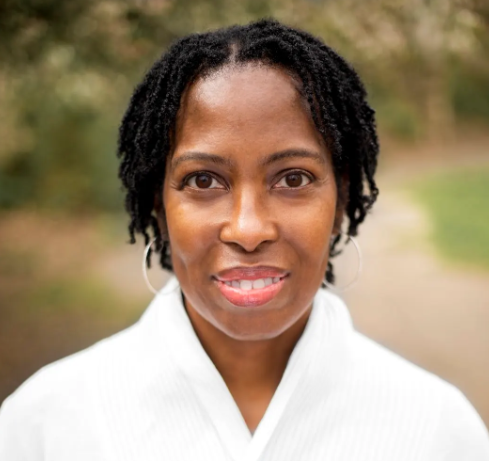
Donna L. Kiel, MD, is the President of the Manhattan Central Medical Society.
Our Mission Statement is the same as the National Medical Association:
To advance the art and science of medicine for people of African descent through education, advocacy, and health policy to promote health and wellness, eliminate health disparities, and sustain physician viability.
Our organization provides community to physicians who may find themselves siloed or isolated in their clinical work, academic endeavors and any additional professional care settings whether as African American physicians or a physician who cares for marginalized populations. Due to longstanding policy-supported structural and systemic racism and fairly recent abolishment of policy-based segregation throughout healthcare delivery from medical education to research and bedside care, the number of African-American physicians in the healthcare workforce is not proportionate to the number of African American patients who seek or need care. Due to the persistence of conscious and unconscious bias, demographic concordance between patient and provider matters for achieving equitable outcomes in healthcare.
Our virtual and in-person monthly meetings provide opportunities for positive visibility through presentations and networking. Our membership is very heterogenous in terms of specialty, work settings, career stage and leadership. Manhattan Central Medical Society is one of 5 local societies in Region 1 of the National Medical Association. We collaborate and partner with our sibling societies for community initiatives and events that support issues like Gun Violence and Climate Justice. It is our aim to create a safe space for providers who may not experience doing the work that they are so committed to.
There is a reemergence of so many operational barriers to delivering healthcare to all residents of the United States. Whether directly or indirectly, those challenges include but are not limited to the passage of dangerously-biased legislation at the federal level that substantially reduced funding of healthcare policy that achieved historic and improved access to care, persistent resistance to expansion of Medicaid and the acute rise in anti-science rhetoric boosted by federal leadership that profoundly de-resourced institutions that are critical to maintaining and upholding population health from sunrise to sunset. Also, the DEI policy erasure by educational oversight organizations like the LCME and ACGME has reversed the progress in diversifying our medical student classes and trainee programs. This will continue to worsen a well-established physician shortage.
Through collaboration with established programs like Mentoring in Medicine founded by Dr. Lynne Holden, we spotlight and participate in the ongoing work of this 20 year-old organization. We are also developing new partnerships with one of NYC’s newer Medical Schools and hope to reinvigorate pre-pandemic relationships. We encourage participation in our umbrella organization, the National Medical Association. Through regional and national programming, members have opportunities to present clinical and scientific research, be leaders in their specialty sections as well as the national organization itself, and be supported when professional challenges may arise. With augmentation of our physician networks nationwide, members can be supported in advancing their career trajectory in academic and nonacademic institutions. There is also a newly-minted membership benefit that provides access to professional career coaching for members.
We are currently reinvigorating our local society medical student scholarship and work with our Regional leadership in contributing to their medical student scholarship. Informally, many members participate in mentorship pods through their respective institutions with trainees and students. We also formally partner with our area Student National Medical Association Chapters via their Regional leadership. Our members have presented to their Specialty Interest groups and for the Regional conference in the Tri-State Area.
A widened network/webbing of grassroots access to quality care for populations that experience or may be vulnerable to experiencing social instability whether students, economically disadvantaged, incarceration-impacted families, the unhoused, racially marginalized, immigrants or adults and adolescents living with mental health conditions. With the more expansive digitization of Health data that I think was accelerated by the Affordable Care Act, we have an improved capacity to know more about the care of our patients over the course of their lives before we see or care for them. This can foster both care coordination and some improvements in continuity of care.
Painfully, I believe we are bridging gaps that were widened by the pandemic and breaking silos that were hardened at that time as well. There is so much ongoing great work across the whole of New York City and the opportunity to do more. I think this is partly a case of the right and left hand not being aware of one another. I work at an academic institution in the Bronx where I recently learned that one of our members leads a limb salvage clinic for patients with Diabetes.
I strongly believe there are opportunities for all of our local societies to join efforts to initiate and advance policy work across the city and state of New York. We have events coming up where we are working with the Queens County Chapter of the Medical Society of the State of New York(MSSNY) as well as the Equity Committee of MSSNY.
It will be necessary to intentionally partner with organizations that have established frontline reach. The benefit is bidirectional. This past spring we did a local society meeting with Harlem WeACT and we did fundraising for their annual 5K. I believe it is important to build sustainable and scalable organizational infrastructure within Manhattan Central Medical Society to maintain these connections so that any work we do centers the voices and needs of the people we care for. Good health has many elements outside of the walls of our care organizations.
Lastly, it will start with expanding and rebuilding the community inside of our society.
Donna L. Kiel, MD, was interviewed by Arush Chandna, the co-founder of Inspira Advantage, a medical school admissions consulting company.


